
Selecting a contract manufacturer for medical plastic components requires evaluating technical capabilities, regulatory compliance, and risk mitigation strategies. Selecting the wrong partner can lead to delayed product launches, regulatory non-compliance, expensive mold rework, or field recalls.
To choose the right ISO 13485 injection molding partner, medical device procurement managers and engineering leads must look beyond basic piece-part pricing. Evaluating an injection molding contract manufacturer requires auditing ten core criteria: ISO 13485 certification, traceability,early DFM engineering support, precision mold fabrication, polymer versatility, prototyping capabilities, value-added secondary operations, process validation protocols (IQ/OQ/PQ), supply chain transparency and Total Cost of Ownership (TCO) transparency.
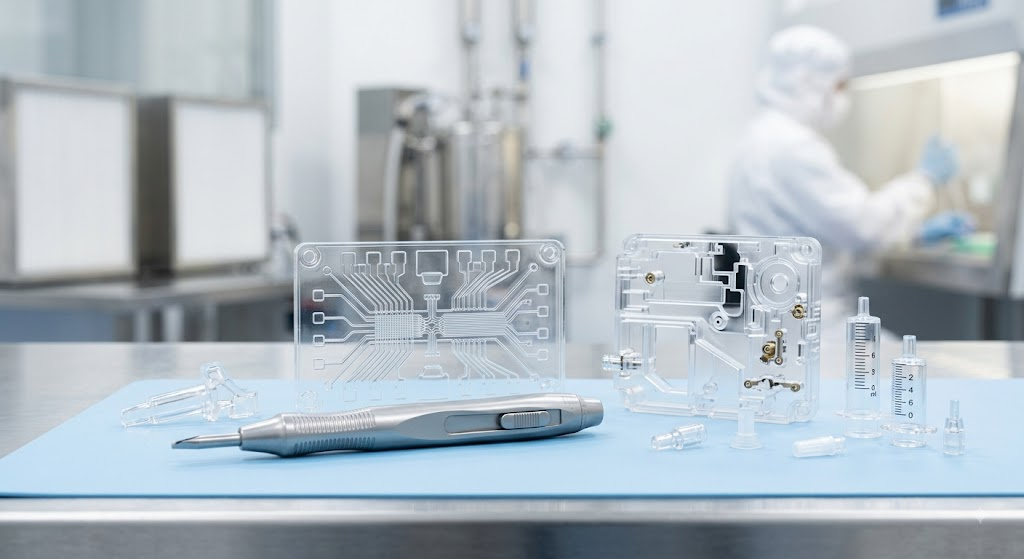
Beyond Price: Why Partnering with the Right Medical Injection Molding CM Matters
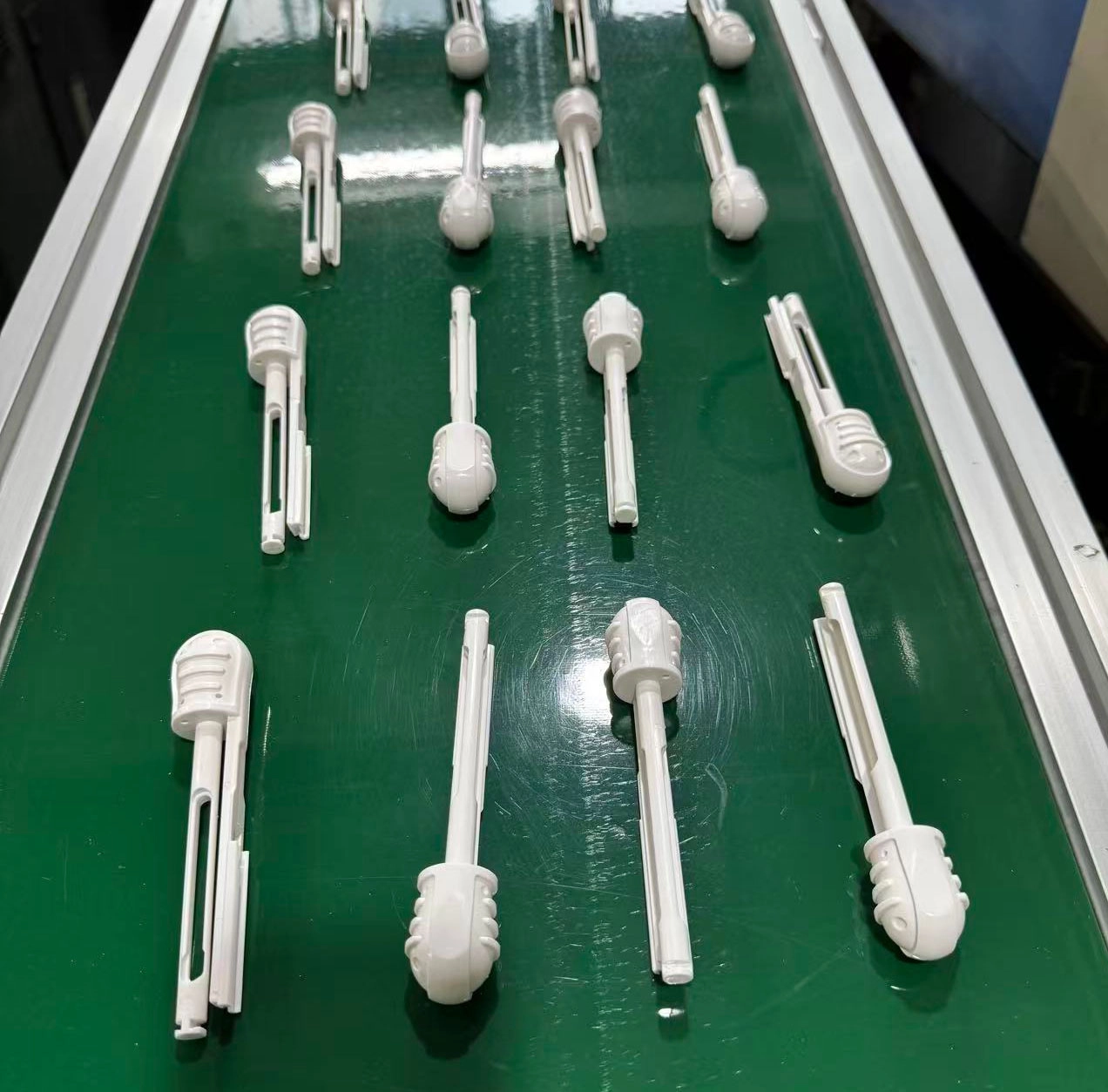
Medical device components—ranging from surgical handles and diagnostic housings to fluid delivery connectors—demand stringent dimensional tolerances and defect-free production. Commercial-grade molding practices cannot guarantee material traceability, or process repeatability required by regulatory bodies like the FDA or EMA.
A failure in a medical plastic component often traces back to poor tool design, inadequate process control, or unvalidated secondary steps. Partnering with a specialized contract manufacturer reduces risk by embedding quality control into every stage of production, from initial CAD review to final packaging.
When sourcing custom plastic injection molding services, engineering-driven contract manufacturers provide the technical oversight necessary to prevent production defects before steel is cut.
Criterion 1 & 2 : Quality Management Systems (QMS) & Traceability
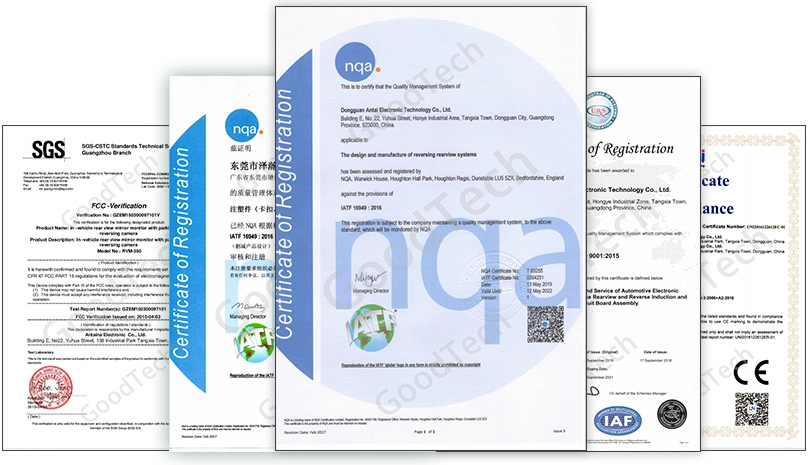
Criterion 1: ISO 13485 Certification
An ISO 9001 certification indicates general quality management, but it is insufficient for medical device manufacturing. ISO 13485 injection molding certification verifies that a manufacturer’s QMS specifically addresses risk management, process validation, and medical-grade quality controls throughout the supply chain.
| Feature / Standard | ISO 9001 | ISO 13485 |
| Primary Focus | Customer satisfaction & continuous improvement | Regulatory compliance & product safety |
| Risk Management | General risk evaluation | Formal risk management (ISO 14971 alignment) |
| Design Control | Standard product design rules | Strict design & process verification/validation |
| Traceability | Basic lot tracking | Full material, operator, machine, and lot traceability |
| Documentation | Flexible documentation rules | Rigorous Device Master Record (DMR) requirements |
Criterion 2: Traceability Protocols
Review the manufacturer’s lot traceability protocols to ensure that every production run is directly traceable to raw resin lot numbers, colorant masterbatches, machine parameter logs, and operator identification, thereby guaranteeing full accountability in the event of quality audits.
Criterion 3 & 4 & 5 : Engineering Expertise and Tooling Precision
Criterion 3: Early DFM (Design for Manufacturability) and Engineering Support
An engineering-driven contract manufacturer should review part designs long before production begins. Design for Manufacturability (DFM) analysis identifies potential molding defects such as sink marks, weld lines, uneven wall thicknesses, and improper draft angles.
Early engineering intervention optimizes wall uniformity, recommends gate placement, and predicts material shrinkage. Resolving these factors during design prevents costly tool modifications during the qualification phase.
[Part CAD Design] ➔ [DFM & Moldflow Analysis] ➔ [Tooling Fabrication] ➔ [IQ/OQ/PQ Validation] ➔ [Production]
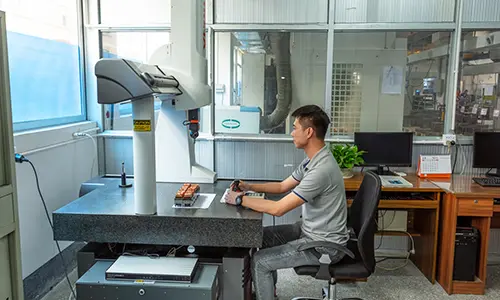
Criterion 4: Precision Mold Design & Tooling Fabrication Capabilities
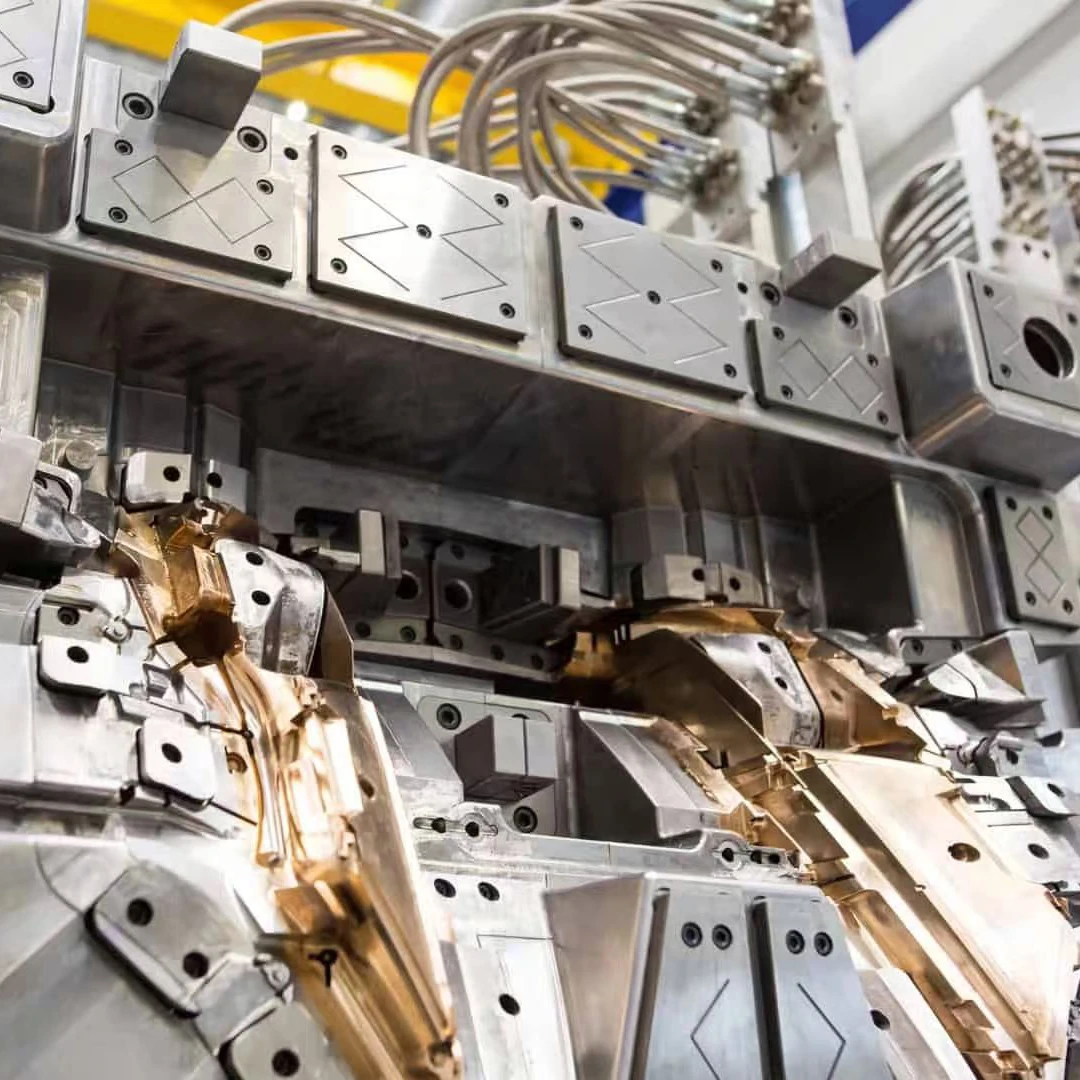
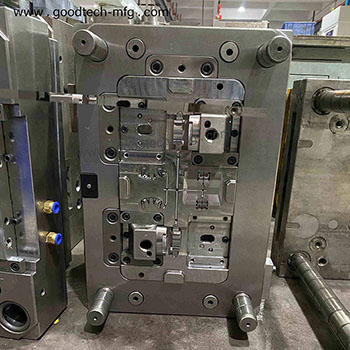
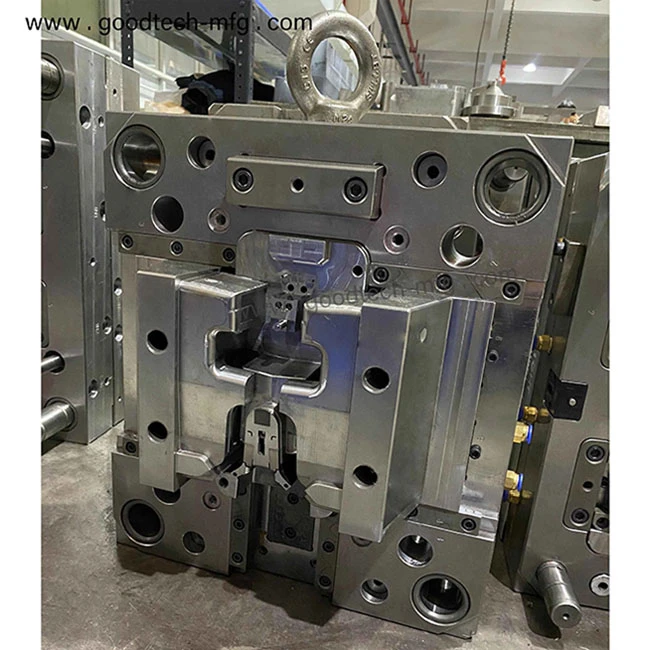
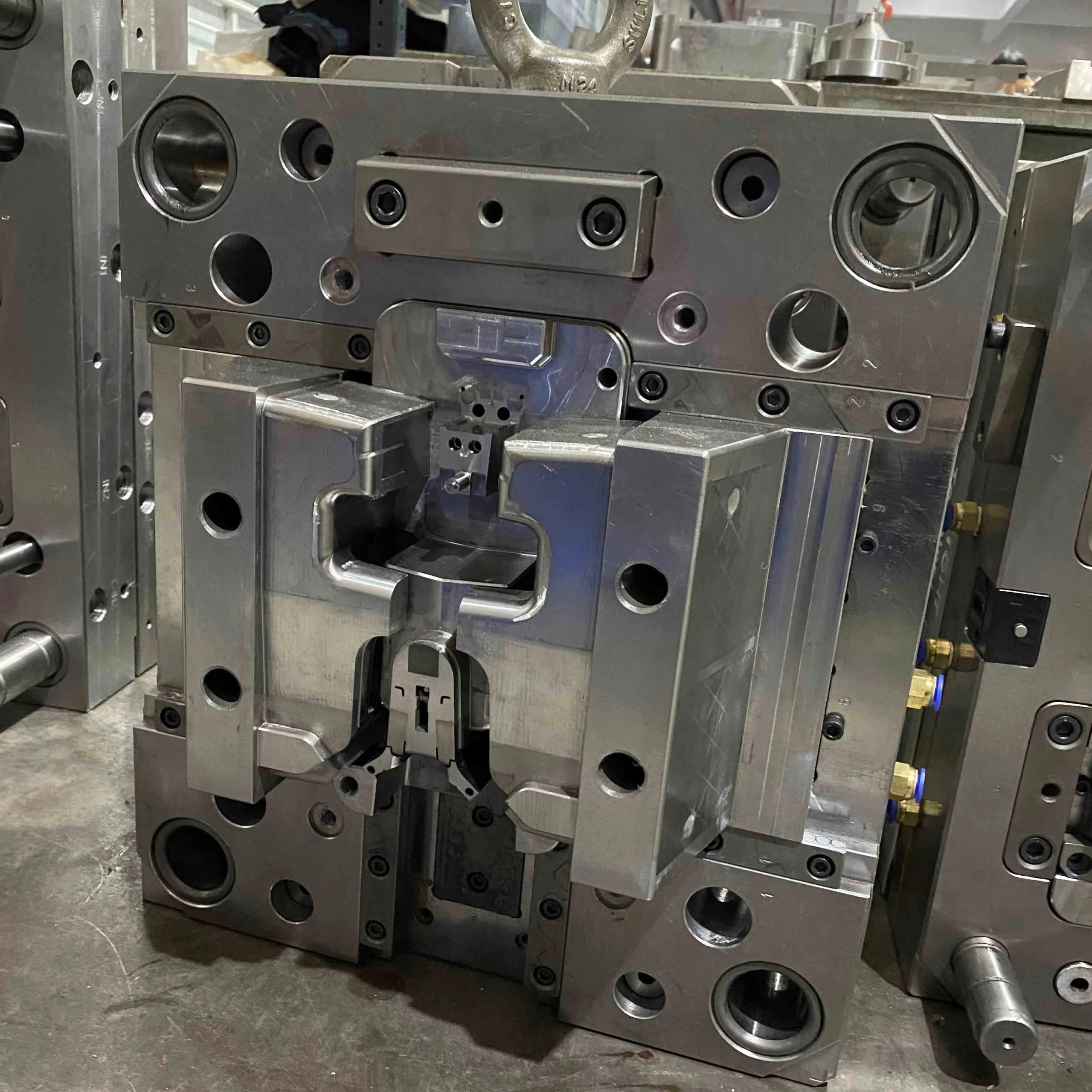
The performance of an injection molded part depends directly on the quality of the tool. Evaluate the manufacturer’s in-house capabilities for injection tooling fabrication.
Key technical factors to inspect include:
- Tooling Materials: Use of hardened tool steels (e.g., S7, H13) designed for multi-cavity, long-run production.
- Cooling Channel Design: Advanced cooling line layouts (including conformal cooling where applicable) to prevent part warping and reduce cycle times.
- Machining Tolerances: Precision CNC machining, Wire EDM, and sinker EDM capable of achieving micro-level tolerances.
Criterion 5: Material Versatility (Engineering Plastics to Thermosets)
Medical applications require diverse polymer properties, ranging from high-rigidity structural housings to chemically resistant fluid management components. Your manufacturing partner should possess experience processing engineering resins (such as POM,PA,PPS,PEEK,and PC).
Criterion 6, 7 & 8: Production Scale, Secondary Operations, and Process Validation
Criterion 6: Prototyping Speed & Bridge Tooling Flexibility
Before committing to high-volume production tooling, design concepts must undergo functional testing, ergonomic evaluation, and assembly fitting.
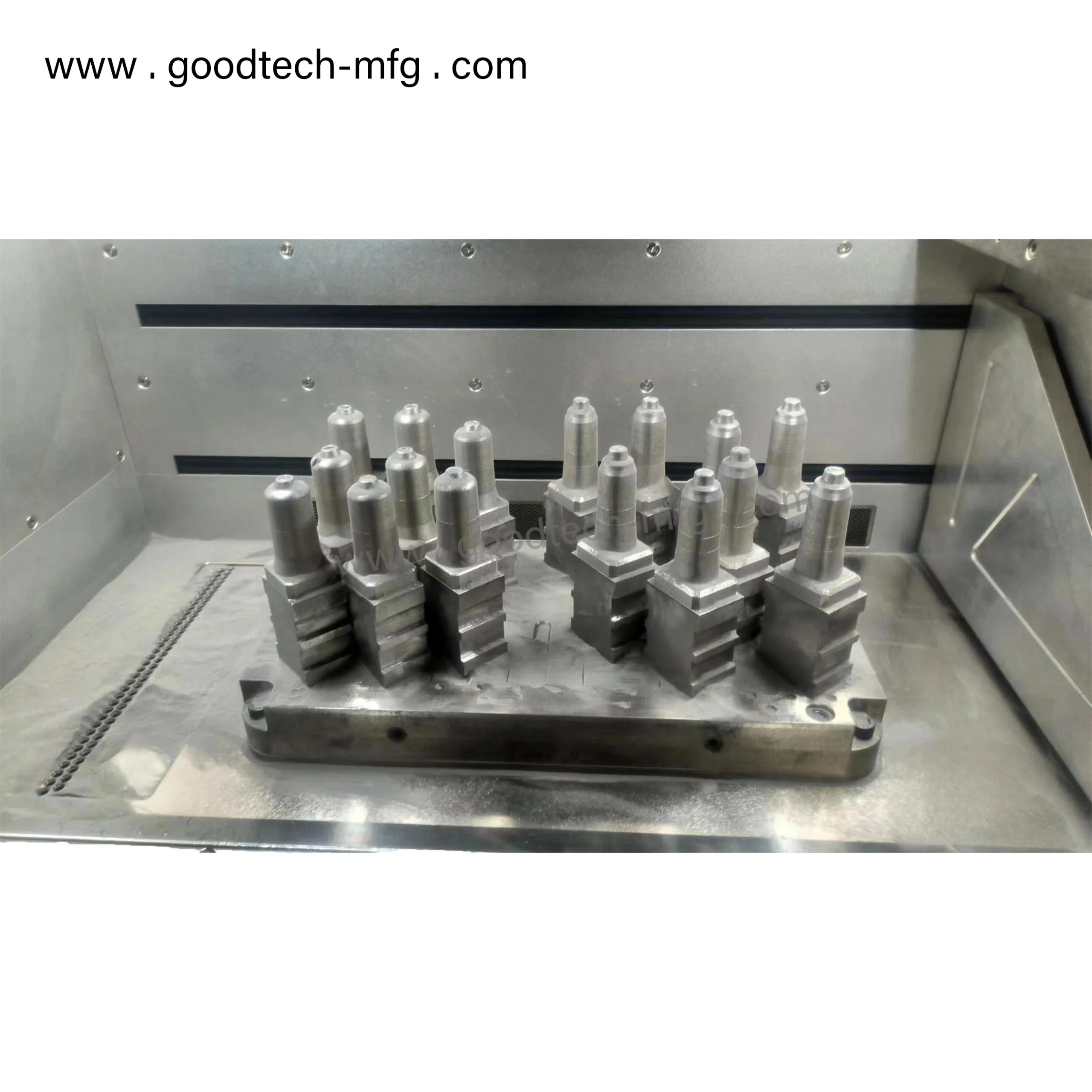
Evaluating a supplier’s rapid prototyping options—such as quick-turn aluminum tooling or 3D-printed prototypes—allows your engineering team to validate form and function quickly. Flexible bridge tooling options also enable low-volume production for clinical trials while production molds are being fabricated.
Criterion 7: Secondary Services (Painting, Printing, and Sub-Assembly)
Sourcing components from multiple vendors introduces lead-time delays and quality attribution disputes. An ideal contract manufacturer provides comprehensive value-added services under one roof, including:
- Surface Finishing: Industrial painting and specialized textures.
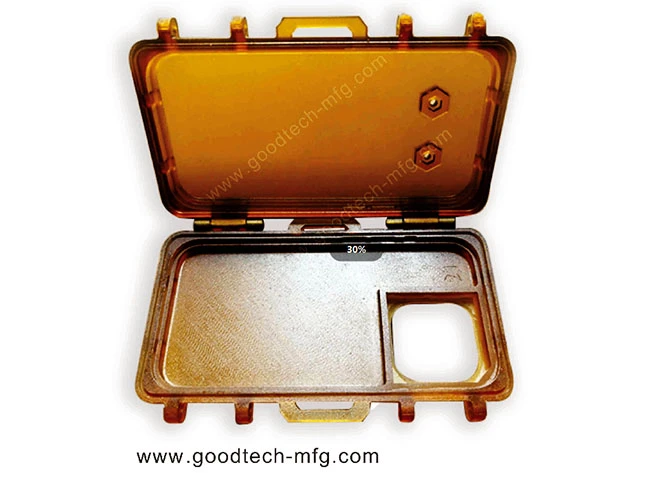
- Shield coating:Conductive inner coating for EMI suppression and EMC robustness.
- Marking & Labeling: Pad printing, silk screening, and laser engraving for scale markings or branding.
- Sub-Assembly: Mechanical fastening, ultrasonic welding, and final component packaging.
Integrating these processes with a single partner streamlines your supply chain and maintains continuous quality control.
Criterion 8: Advanced Process Validation (IQ/OQ/PQ)
In medical injection molding, process validation ensures that the manufacturing system operates within defined parameters to consistently produce compliant parts. Confirm that your prospective supplier executes a formal validation framework:
- Installation Qualification (IQ): Verifies that equipment, utilities, and tooling are correctly installed according to specifications.
- Operational Qualification (OQ): Tests operational limits (temperature, injection pressure, speed) to establish the processing window.
- Performance Qualification (PQ): Demonstrates long-term stability and repeatability under actual production conditions across multiple shifts.
Criterion 9 & 10: Supply Chain Resilience and Total Cost of Ownership (TCO)
Criterion 9: Supply Chain Transparency and Risk Management
Disruptions in resin availability or sub-tier component deliveries can halt medical production. Audit the contract manufacturer’s supply chain practices:
- Do they maintain strategic relationships with major resin distributors?
- Do they offer safety stock programs for critical components?
- How do they handle material engineering changes or resin equivalency testing?
Criterion 10: TCO Transparency Beyond Piece-Part Price
Choosing a manufacturer based solely on the lowest piece-part price often results in hidden expenses later in the product lifecycle. Total Cost of Ownership (TCO) accounts for long-term factors including mold maintenance, scrap rates, validation expenses, and potential shipping delays.
Total Cost of Ownership = Unit Piece Price + Tooling Amortization + Validation Costs + communication cost+Maintenance/Scrap Risk
An engineering-driven manufacturer provides clear, itemized quotes outlining tool maintenance guarantees, tooling ownership, and cycle time assumptions, giving procurement teams complete cost visibility.
Supplier Evaluation Checklist for Medical Equipment Engineers & Buyers
Use this procurement checklist when auditing prospective injection molding contract manufacturers:
| Evaluation Category | Key Audit Question | Required Verification / Document | Risk Level |
| QMS & Compliance | Is the facility certified to ISO 13485 for medical production? | ISO 13485 Certificate | Critical |
| Engineering Support | Does the supplier perform early DFM and flow simulations? | Sample DFM / Moldflow Reports | High |
| Tooling Capabilities | Can the supplier manufacture and maintain precision tooling? | Tooling Fabrication Equipment List | Medium |
| Process Validation | Does the supplier execute formal IQ/OQ/PQ protocols? | Sample Validation Master Plan (VMP) | Critical |
| Secondary Operations | Are finishing, pad printing, and sub-assembly handled in-house? | Facility Capability List | Medium |
| Traceability | Are raw material lots traceable down to individual batch runs? | Material Certifications (CoA), DMR Samples | Critical |
| Cross Culture Communication | Do their engineers and business personnel have overseas working or communication experience? | records of past overseas projects or international client references; language proficiency | Medium |
Partnering with GoodTech: Engineering-Driven Injection Molding Excellence
Selecting an injection molding contract manufacturer requires aligning technical precision, regulatory compliance, and post-molding capabilities. At GoodTech, we approach every project from an engineering-first perspective.
Specializing in high-precision plastic injection molding and precision mold manufacturing, GoodTech provides end-to-end support for demanding applications. From preliminary DFM analysis and rapid prototyping to thermoset processing and value-added secondary services—including painting, printing, and final sub-assembly—our team ensures your components meet strict quality standards.
To discuss your medical device component requirements or request an engineering review, visit the GoodTech homepage or contact our engineering team today.
Key Takeaways
- Look Beyond Piece-Part Pricing: Evaluate long-term risk, validation expenses, and tooling life rather than initial piece cost alone.
- Mandate ISO 13485 & Traceability: Ensure your manufacturer uses formal ISO 13485 quality systems and maintains strict lot-level material tracking.
- Prioritize DFM Engineering: Involve manufacturing engineers early in the design stage to eliminate geometric defects and optimize mold design.
- Consolidate Secondary Operations: Work with suppliers capable of in-house painting, printing, and sub-assembly to simplify supply chain management.
- Verify Process Validation: Confirm that the manufacturer executes full IQ/OQ/PQ validation to guarantee long-term production repeatability.
FAQ
What is the difference between ISO 9001 and ISO 13485 in injection molding?
ISO 9001 addresses general quality management and customer satisfaction, whereas ISO 13485 is specifically designed for medical devices, requiring rigorous process validation (IQ/OQ/PQ) and full lot traceability.
Why is DFM analysis critical before starting mold fabrication?
Design for Manufacturability (DFM) analysis uses software simulations to identify potential injection molding defects—such as sink marks, air traps, wall thickness variations, and weld lines—before cutting tool steel. Resolving these issues early saves thousands of dollars in tool modifications and prevents project delays.
What secondary operations are typically required for medical molded parts?
Common secondary operations include pad printing for fluid line measurements, industrial painting or coating, ultrasonic welding for joining sub-components, and mechanical sub-assembly within controlled cleanroom environments.
Contact Us
Accelerate Your Medical Device Project with Engineering-Driven Precision
Evaluating a new medical plastic component or preparing for tooling production? Partner with GoodTech for expert engineering support from day one.
Submit your CAD files to receive a comprehensive Design for Manufacturability (DFM) analysis, quality compliance review, and an itemized manufacturing proposal tailored to your specifications.