
Low Volume vs High Volume Injection Moulding: How to Plan Your Production
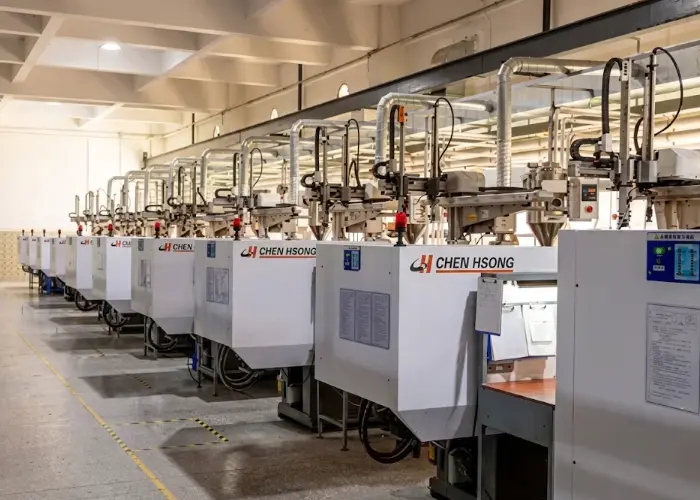
Strategizing Your Plastic Injection Moulding Production Determining whether to use low volume injection moulding or high volume injection moulding is one of the most financially impactful decisions in a product’s lifecycle. The choice directly dictates your initial tooling investment, part unit cost, and time-to-market. For purchasing managers and engineers, aligning the production scale with the […]
Insert Moulding vs Overmoulding: When to Use Each Process
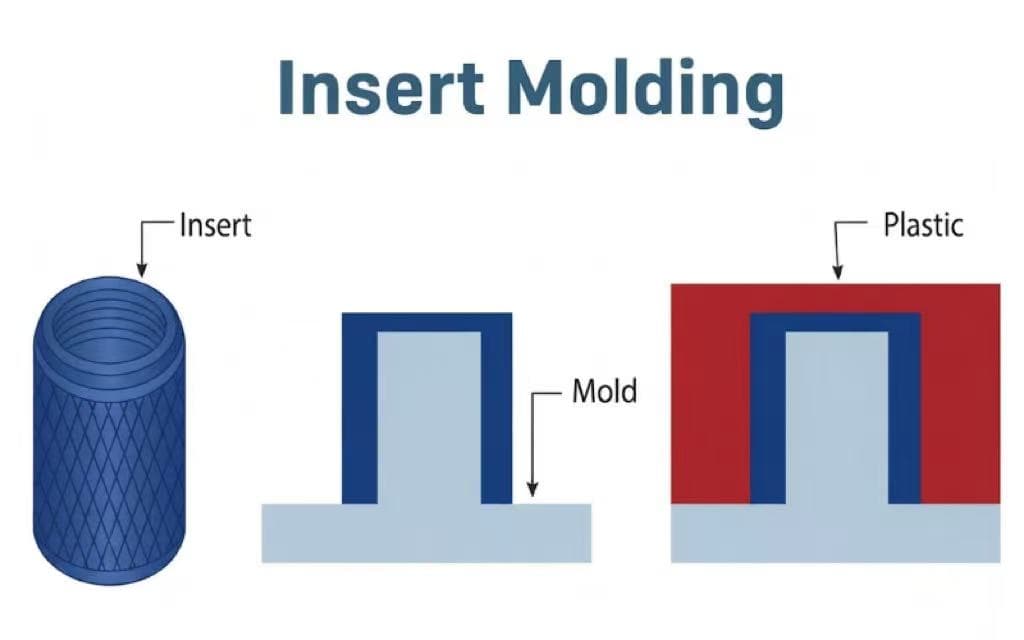
Choosing the right multi-material manufacturing method is critical for mechanical performance, structural durability, and overall unit economics. When designing complex plastic enclosures or multi-component sub-assemblies for applications ranging from electronics‑semiconductors to automotive‑transportation, engineers and product developers frequently evaluate insert moulding and overmoulding (including two shot injection moulding). The core distinction lies in their mechanics: insert […]
How to Design Ribs and Bosses: Injection Molding DFM Rules
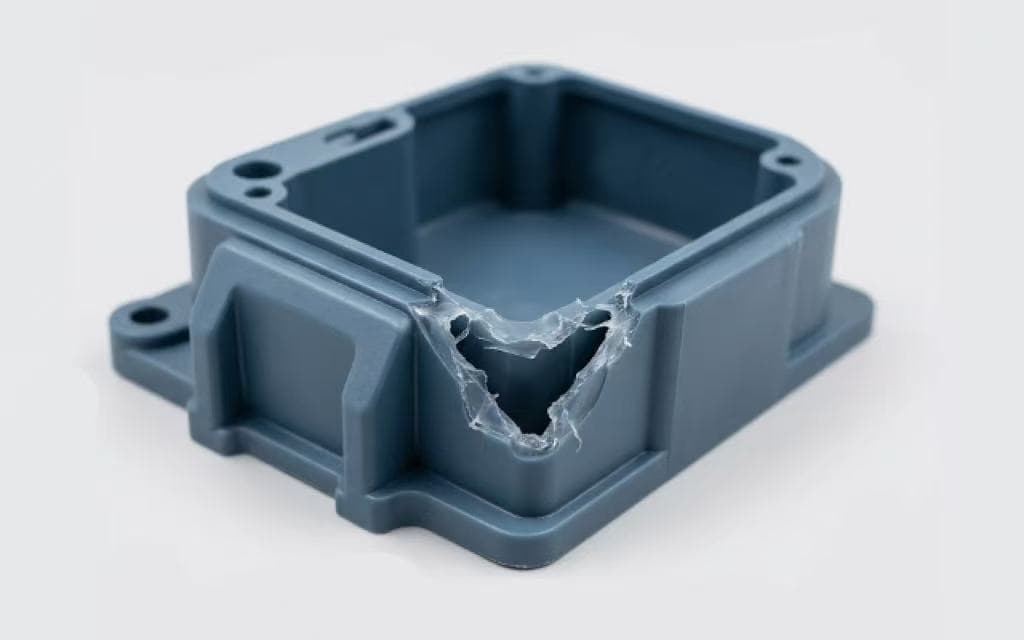
In plastic part engineering, increasing nominal wall thickness to gain structural strength leads to longer cycle times, higher material costs, and severe cosmetic sink marks. The standard approach in professional injection molding design is to use structural ribs for bending stiffness and cylindrical bosses for mechanical fastening. Designing these features requires strict control over wall […]
Precision Injection Moulding Guide: Advanced Process Control, Design for Manufacturability (DFM), & High-Performance Materials
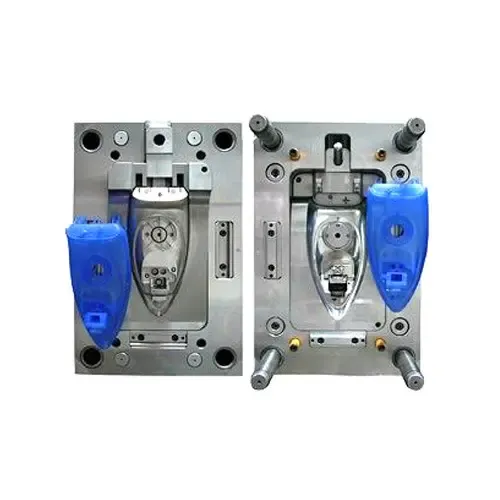
Precision injection moulding is a specialised manufacturing methodology engineered to produce complex plastic components with tight dimensional tolerances—typically within ±0.01 mm to ±0.02 mm. Achieving this level of dimensional repeatability requires synchronising four core technical pillars: tool design governed by strict Design for Manufacturability (DFM) rules, scientific in-cavity process control, advanced polymer selection, and metrology-backed […]
Injection Molding for Consumer Electronics: From Enclosures to Components
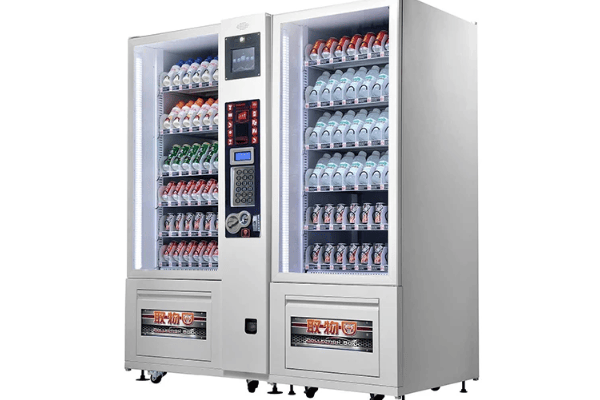
Scaling a consumer electronic product from initial CAD rendering to mass production requires balancing exterior cosmetics, internal structural integrity, and tight assembly tolerances. Precision injection molding for consumer products bridges the gap between industrial design intent and cost-effective, high-volume manufacturing. Successfully launching electronic housings and structural internal components depends on three core decisions: selecting resins […]
Parting Line Design for Injection Molding: Location is Everything
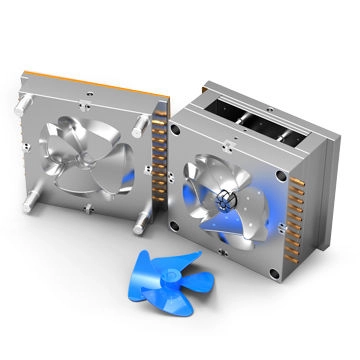
An injection molding parting line is the primary boundary where the two halves of a mold—the core (A-side) and cavity (B-side)—meet and seal under clamping pressure. In injection mold design, determining the location of this interface is the very first step in Design for Manufacturability (DFM). The placement of the parting line directly controls tooling […]
Injection Moulding Tolerances: How to Set Realistic & Cost-Effective Limits
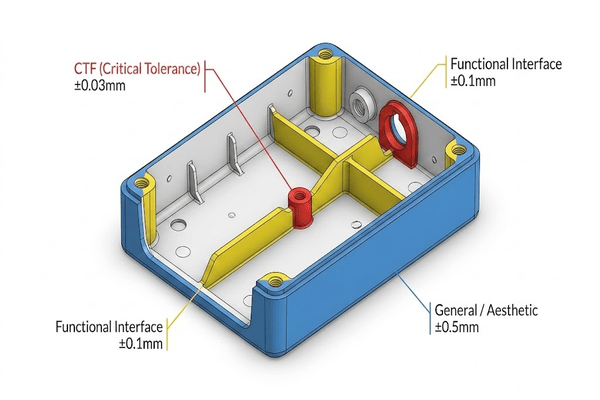
Setting realistic injection moulding tolerances is a balancing act between functional assembly requirements and production economics. Achieving optimal precision requires a clear understanding of polymer shrinkage, part geometry, tool construction, and process capability—rather than directly applying subtractive CNC machining tolerances to moulded plastics. By establishing clear boundaries between standard and precision tolerances early in the […]
How to Choose an Injection Molding Contract Manufacturer: 10 Key Criteria for Medical Devices
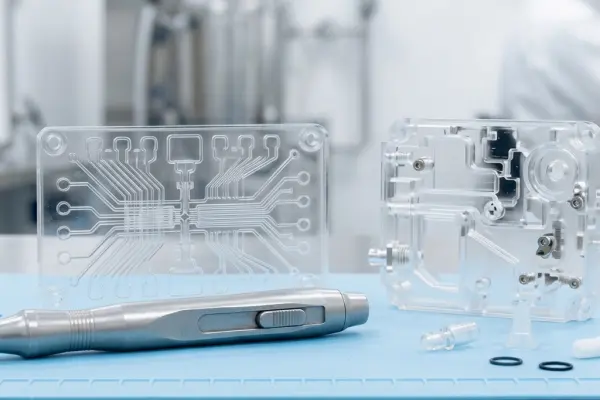
Selecting a contract manufacturer for medical plastic components requires evaluating technical capabilities, regulatory compliance, and risk mitigation strategies. Selecting the wrong partner can lead to delayed product launches, regulatory non-compliance, expensive mold rework, or field recalls. To choose the right ISO 13485 injection molding partner, medical device procurement managers and engineering leads must look beyond […]
ISO 13485 Injection Molding: The Complete Guide for Medical Device Manufacturers

Producing medical devices requires absolute defect prevention, strict material batch traceability, and regulatory compliance. ISO 13485 injection molding provides the mandated framework to meet these demands, ensuring that plastic components—ranging from 0.2g micro-parts to 4500g equipment housings—are manufactured with consistent dimensional accuracy and biological safety. For engineers and purchasing managers, selecting a medical injection molding […]
Common Injection Molding Defects: Root Causes, Design Prevention, and Troubleshooting Guide
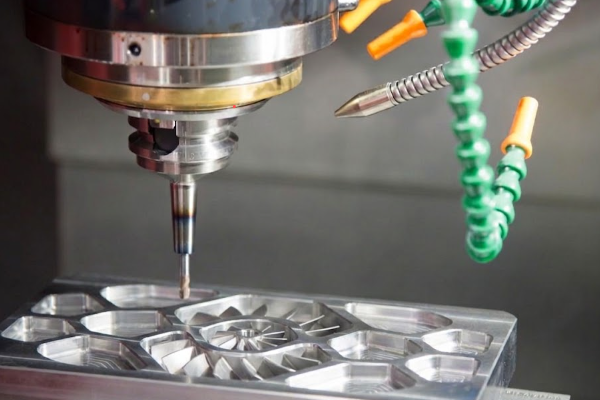
Plastic injection molding defects such as sink marks, warpage, flash, and short shots directly increase scrap rates, delay production schedules, and drive up secondary tooling costs. Resolving these issues requires an integrated engineering approach: while machine-side parameter adjustments offer immediate triage, permanent defect prevention relies on robust injection molding design, proper tooling geometry, and precise […]