
Aluminum Molds vs. Steel Molds: The Rapid Tooling Debate
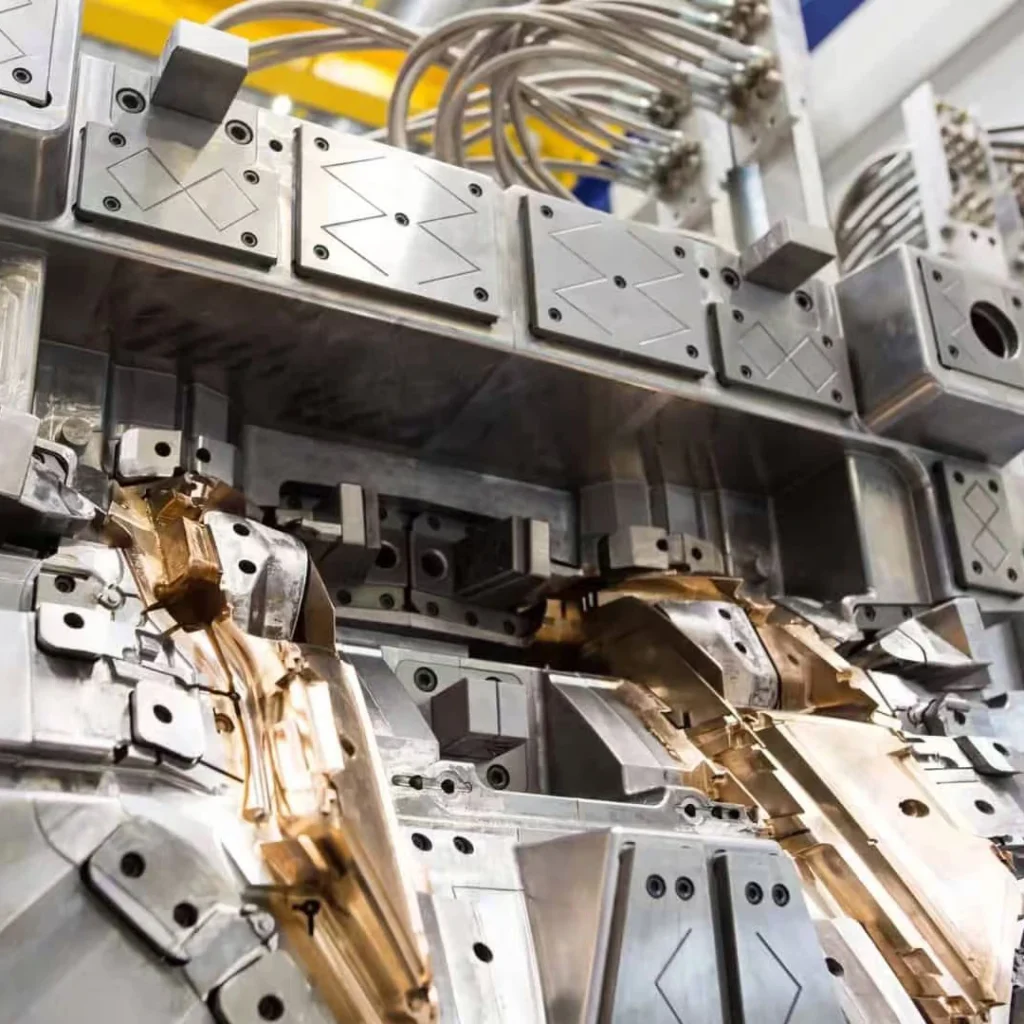
In the high-stakes race to market, the choice between aluminum and steel molds often dictates whether a project launches in weeks or months. While traditional manufacturing favors the brute durability of steel, modern rapid tooling leverages high-grade aluminum alloys to bridge the gap between initial prototyping and full-scale production without the crippling lead times or […]
Unscrewing Molds Explained: Creating Internal Threads
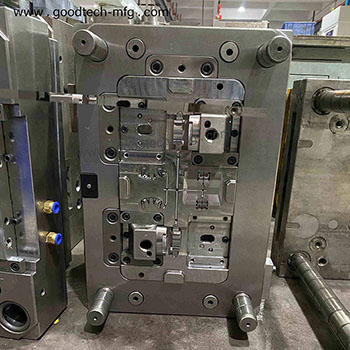
In high-precision injection molding, threaded components present a unique engineering challenge: their helical geometry creates a mechanical lock that makes standard linear ejection impossible. Attempting to simply “pull” these parts leads to catastrophic shear failure and stripped threads, forcing B2B manufacturers to choose between complex automated unscrewing systems, collapsible cores, or manual inserts to protect […]
Injection Mold Maintenance Guide: Extending Tool Life
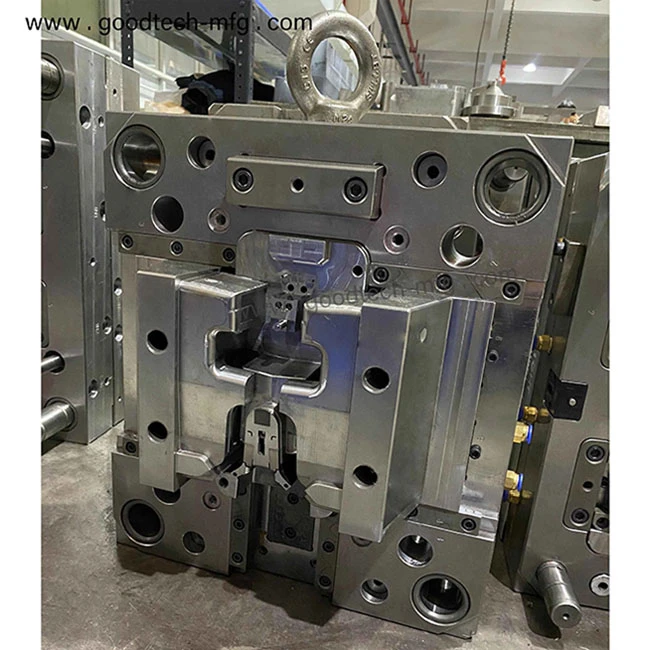
In a high-volume production environment, an injection mold is your most valuable asset—yet it is constantly under attack by microscopic pitting, thermal scaling, and mechanical fatigue. For B2B manufacturers, a single unplanned pull-out doesn’t just stall a machine; it disrupts supply chain continuity and erodes profit margins. When just 1mm of mineral scale can increase […]
The T1 Sample Evaluation Guide: Validating Your New Mold
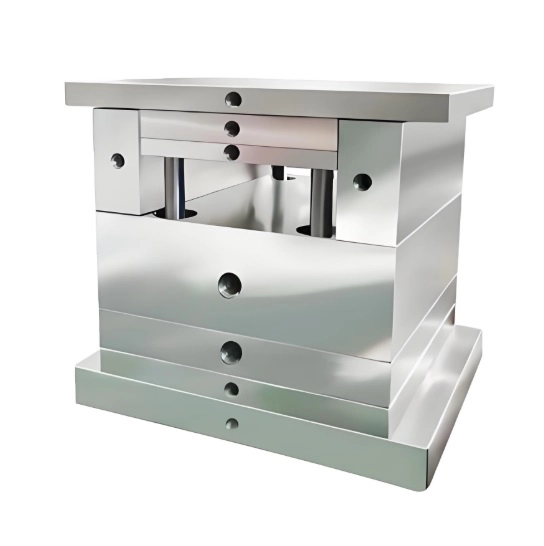
In high-stakes injection molding, the T1 trial is often the most misunderstood phase of the production lifecycle. While many B2B buyers mistake these first articles for final product previews, treating T1 as a mere aesthetic check can lead to catastrophic delays and costly tool rework. True mold trial & validation (T1) is a rigorous scientific […]
Conformal Cooling vs. Standard Cooling: Is It Worth It?
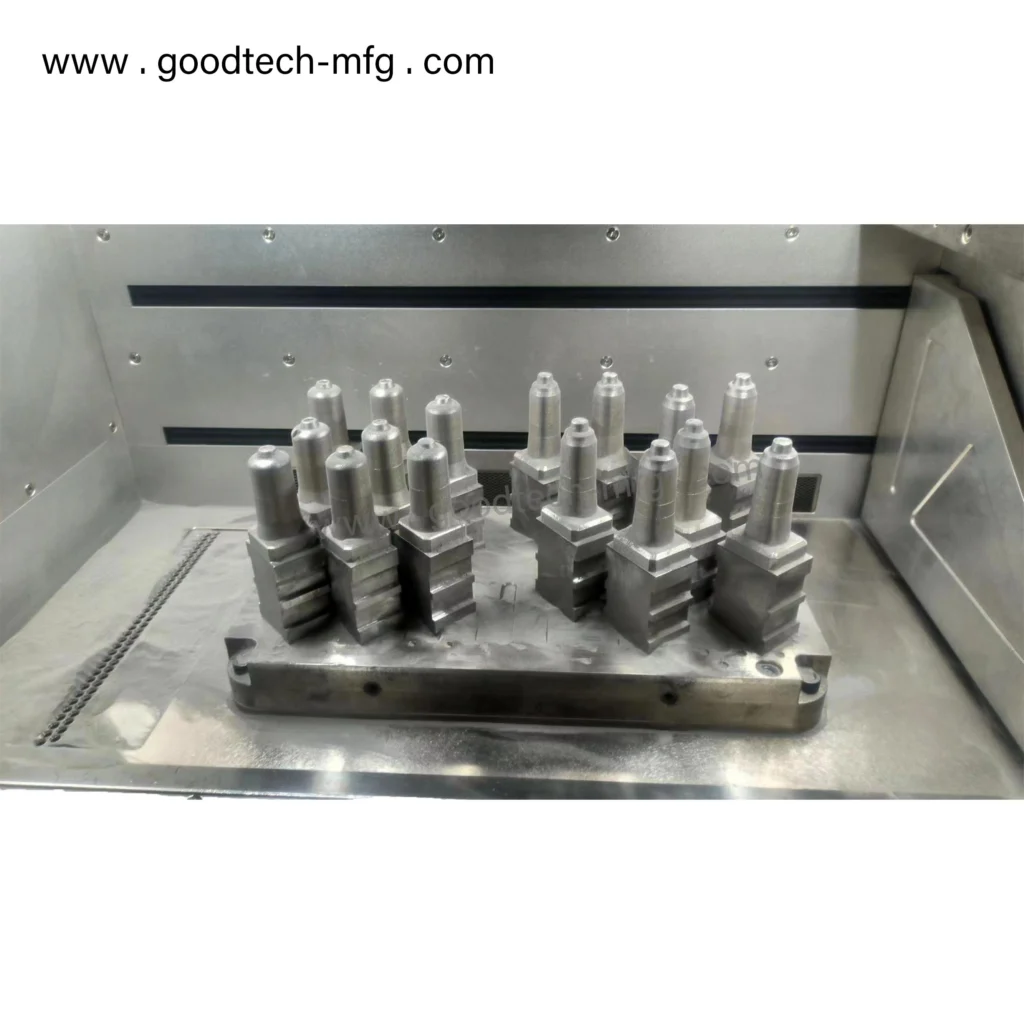
In high-precision injection molding, traditional gun-drilled cooling lines are often the primary bottleneck, forcing engineers to compromise part quality for manufacturing accessibility. Because straight drills cannot follow complex 3D curvatures, manufacturers frequently face uneven shrinkage, unreachable hotspots, and extended cycle times that erode profit margins. While standard cooling methods suffice for simple geometries, they fail […]
What Are the Advantages and Disadvantages of Injection Molding? A Complete Guide
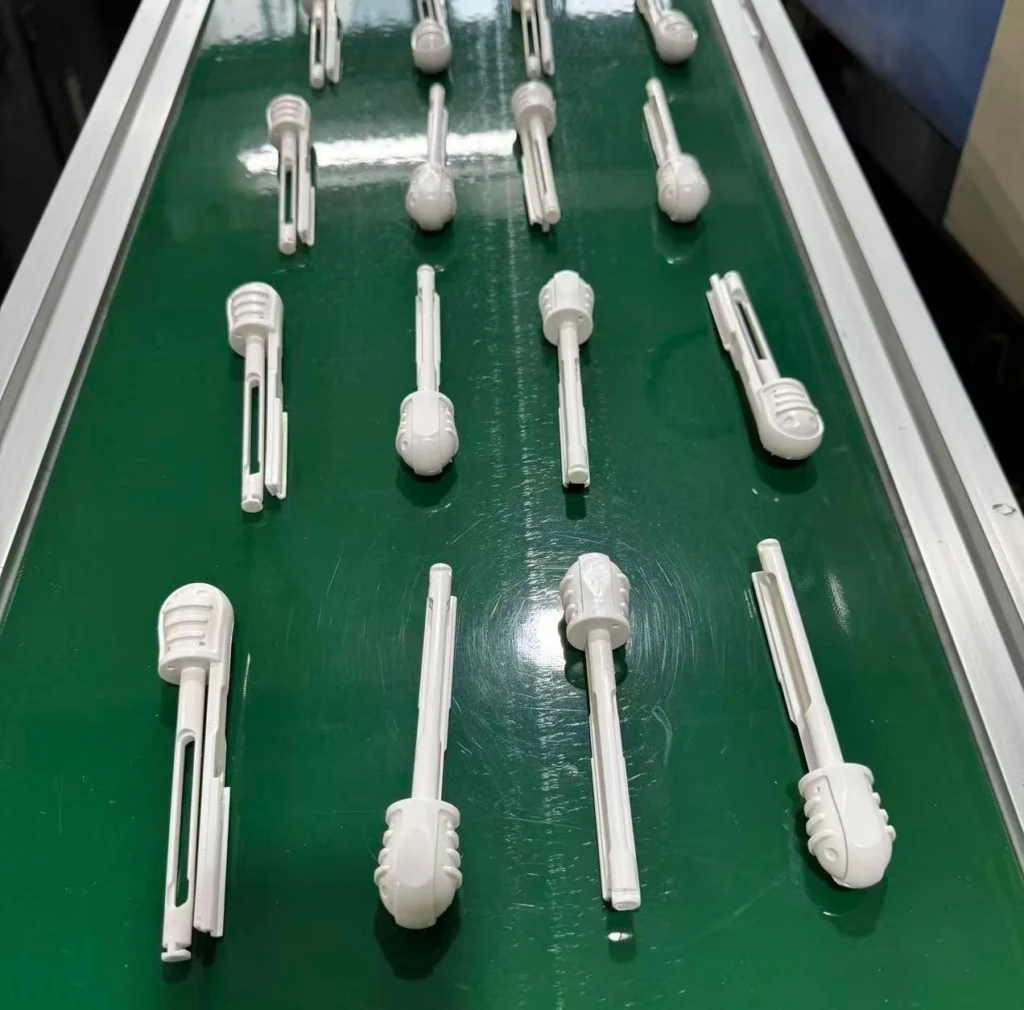
Take a moment to look at the plastic products around you: your computer mouse, the cap on your water bottle, the dashboard in your car, or a LEGO brick. They were almost certainly made using injection molding. Why has this single manufacturing process so thoroughly dominated the world of plastics for decades? The primary advantages […]
How to Reduce Injection Molding Costs: An Engineer’s Guide
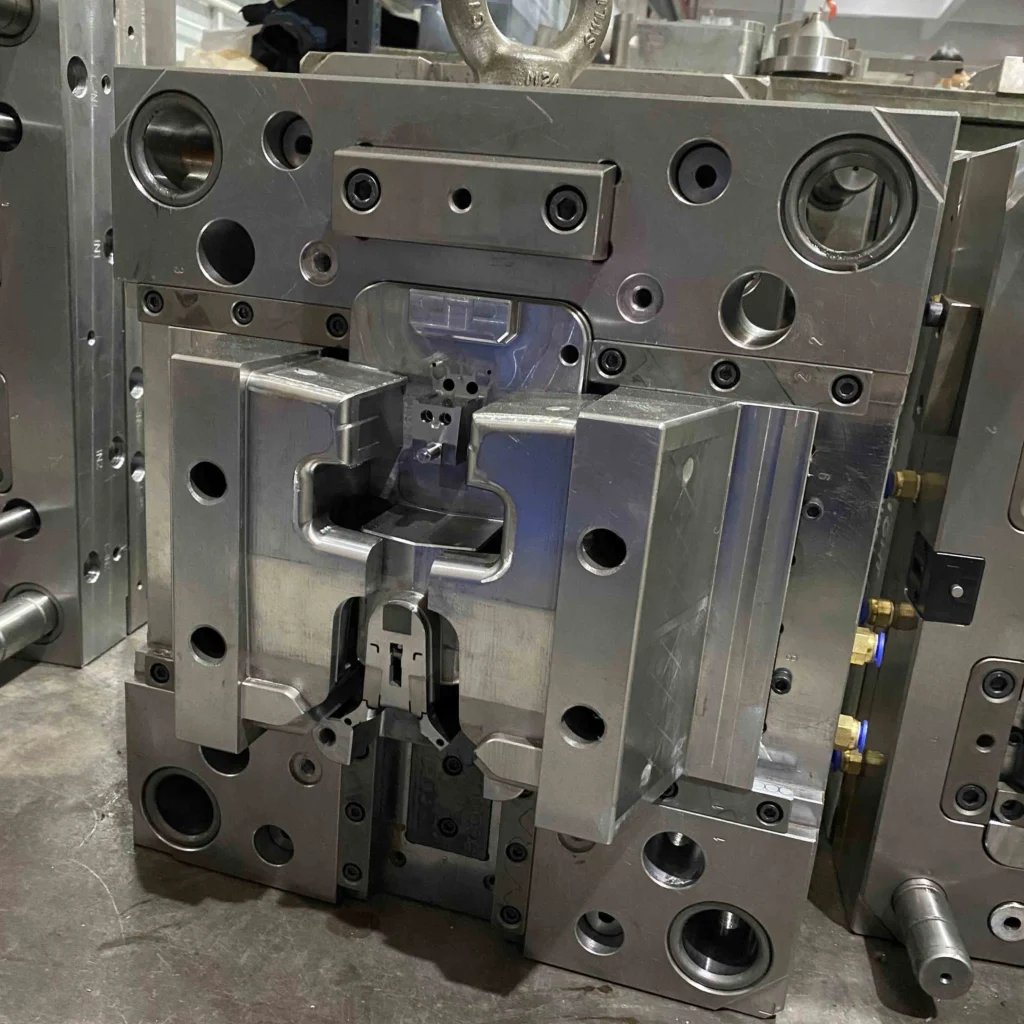
Every engineer and project manager has experienced the “sticker shock” moment. You’ve perfected your part design, sent it out for a production quote, and the number that comes back is $35,000 for the mold alone. Why? And more importantly, how can you cut that number in half? The most effective way to reduce injection molding costs is […]
What Are High-Temperature Plastics? A Guide to the Top 5 for Injection Molding
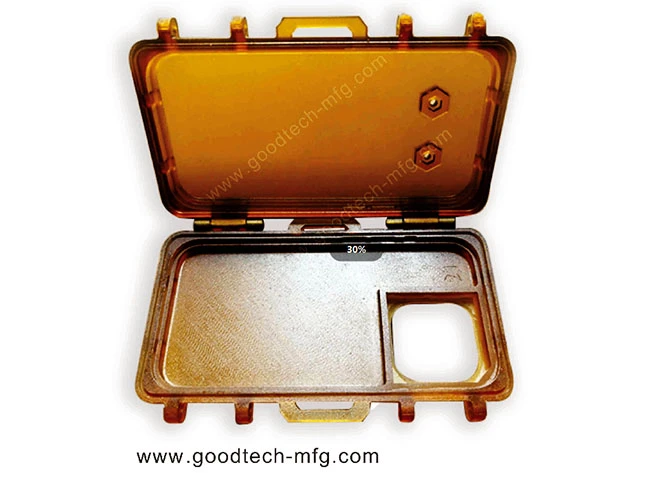
What Are High-Temperature Plastics? A Guide to the Top 5 for Injection Molding Every engineer has felt that sinking feeling. You open the test chamber to find your beautiful prototype, perfectly molded from polycarbonate, now warped and sagging like a Dali painting. The culprit? Heat. Standard plastics are fantastic, but they have their limits. When […]
What Is An Injection Mold? An Engineer’s Guide To Mold Structure & Components
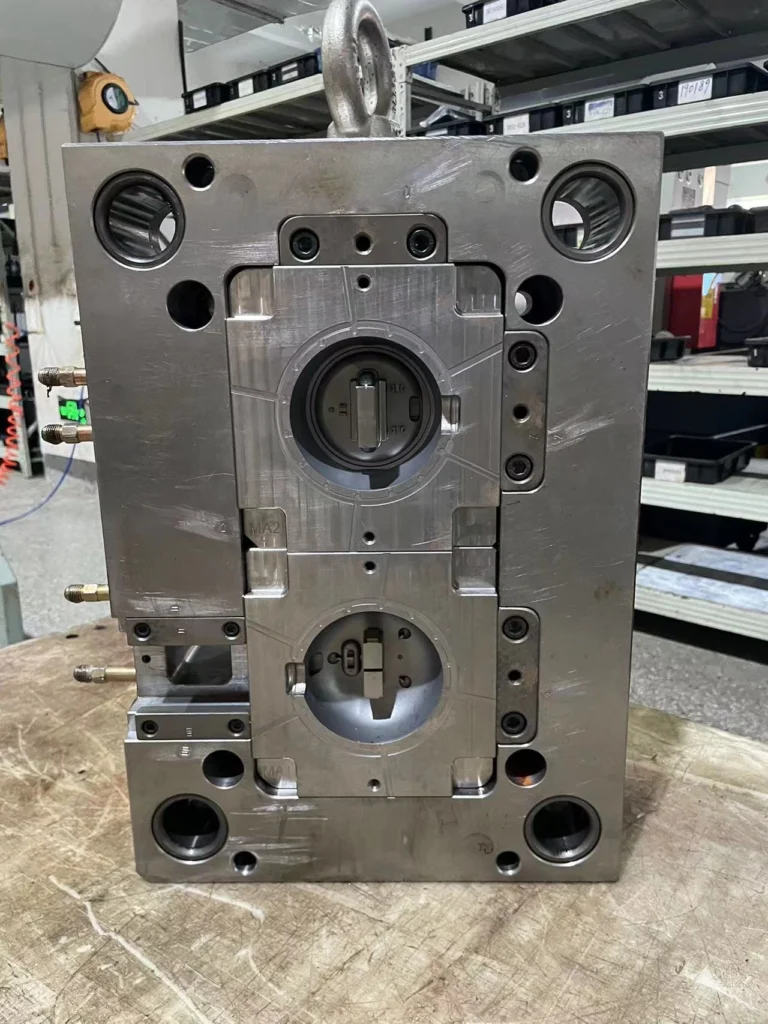
What is an Injection Mold? An Engineer’s Guide to Mold Structure & Components Think of an injection mold not as a simple block of steel, but as a complex, custom-built 3D puzzle. Each precisely engineered piece has a critical job to do. For designers and engineers, understanding how this puzzle fits together is the secret […]
ABS Plastic Explained: Properties, Processing Methods, and Real-World Applications
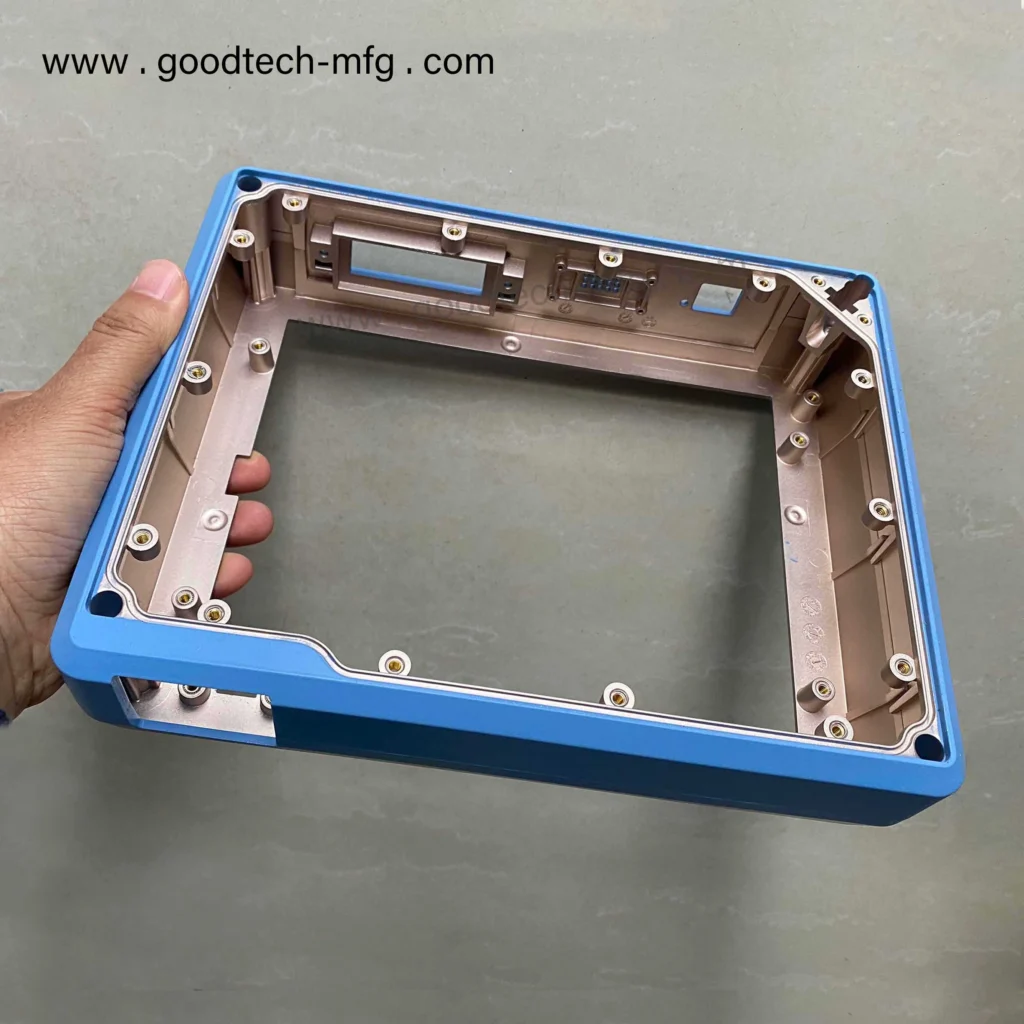
1. Introduction to ABS Plastic Acrylonitrile Butadiene Styrene, commonly known as ABS plastic, is one of the most widely used thermoplastic polymers in manufacturing. Its balanced combination of strength, toughness, and ease of processing makes it a preferred choice for engineers and product designers. From automotive components and consumer electronics to medical devices and toys, ABS offers […]