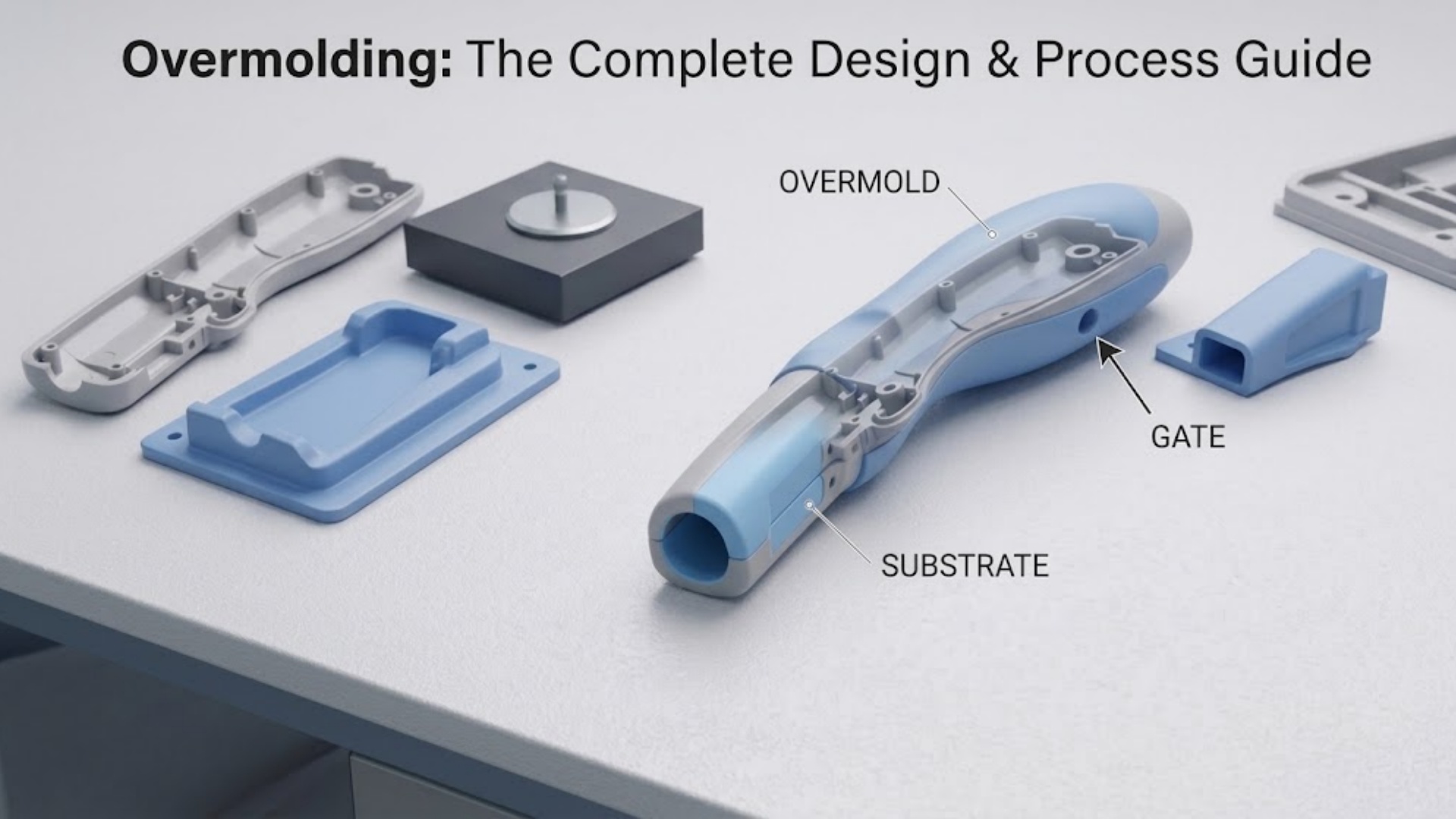

1. Introduction to ABS Plastic
Acrylonitrile Butadiene Styrene, commonly known as ABS plastic, is one of the most widely used thermoplastic polymers in manufacturing. Its balanced combination of strength, toughness, and ease of processing makes it a preferred choice for engineers and product designers. From automotive components and consumer electronics to medical devices and toys, ABS offers versatility, cost-efficiency, and design flexibility.
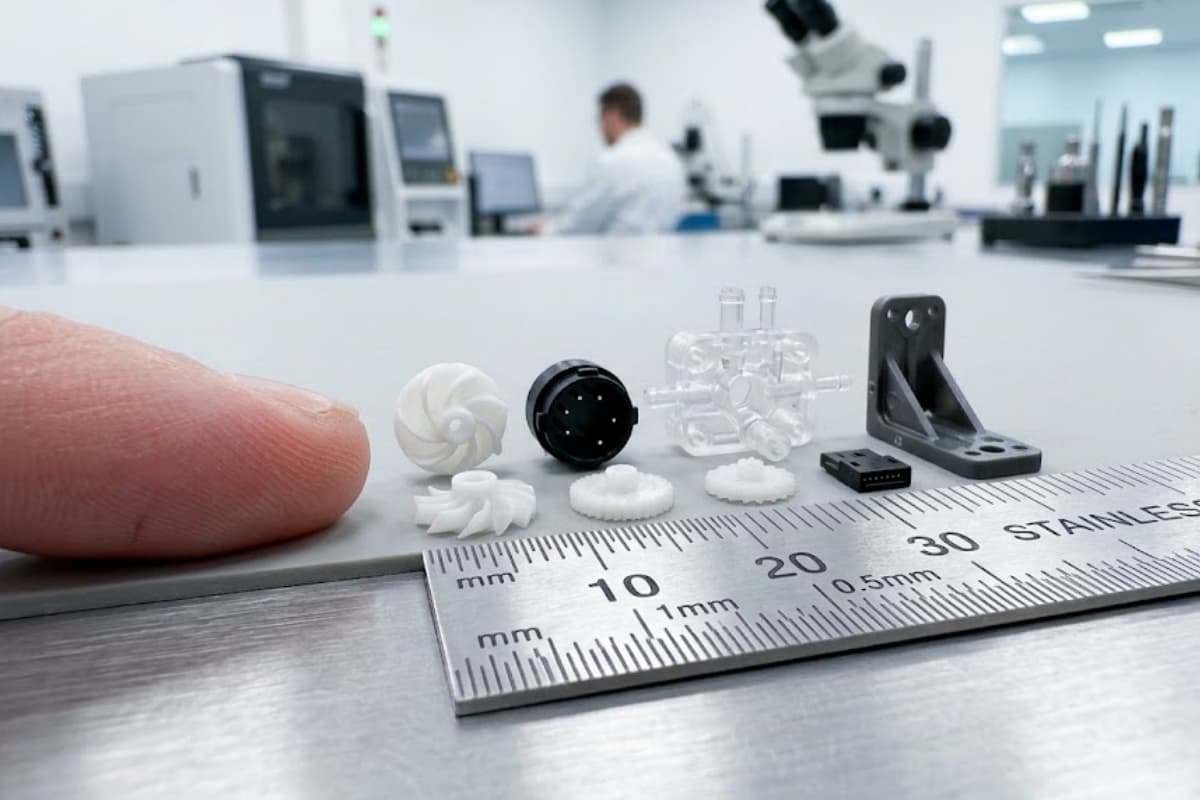
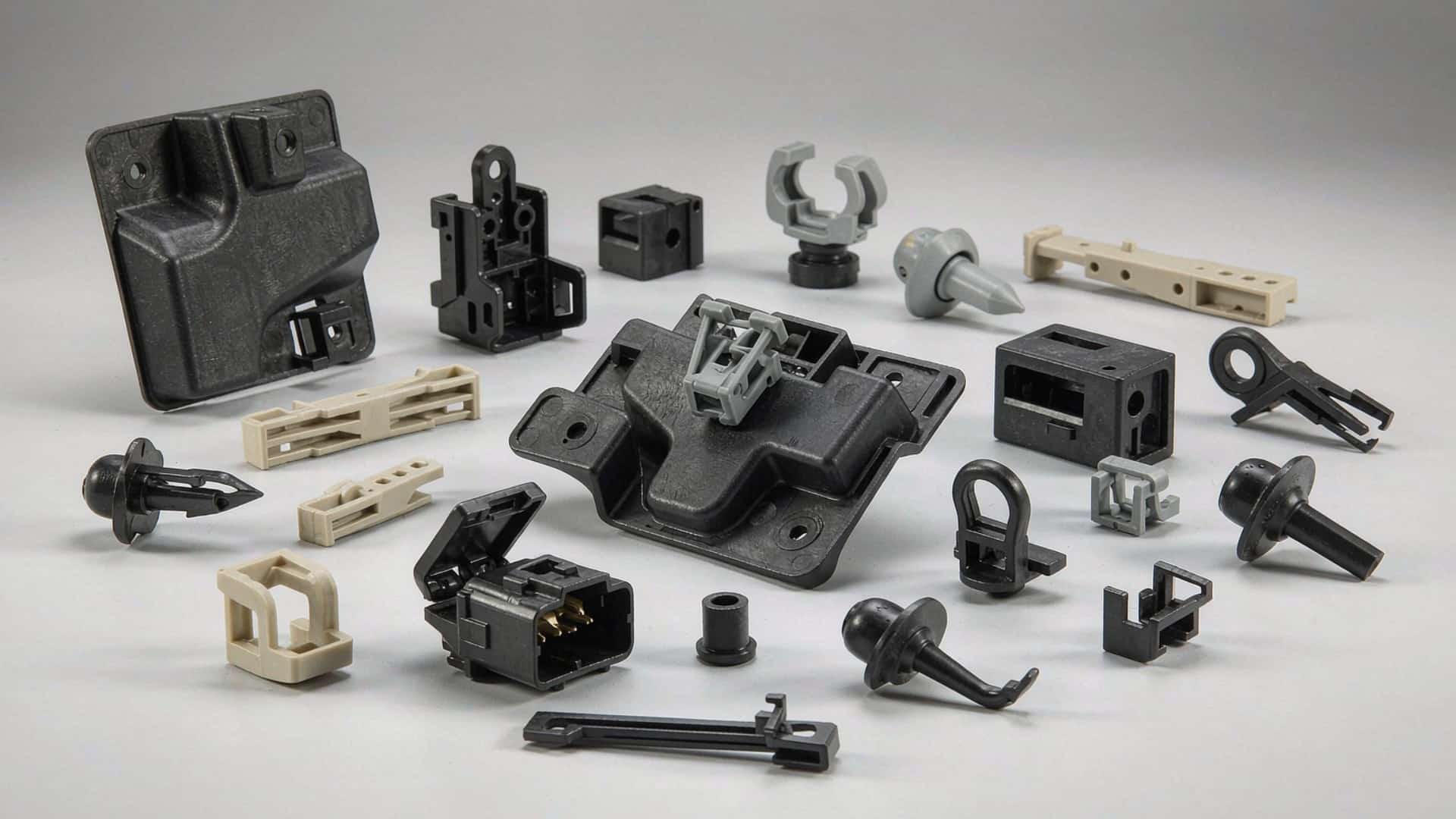
At GoodTech MFG, we work with ABS extensively to deliver high-quality injection molded parts, helping engineers optimize their designs for performance and cost.
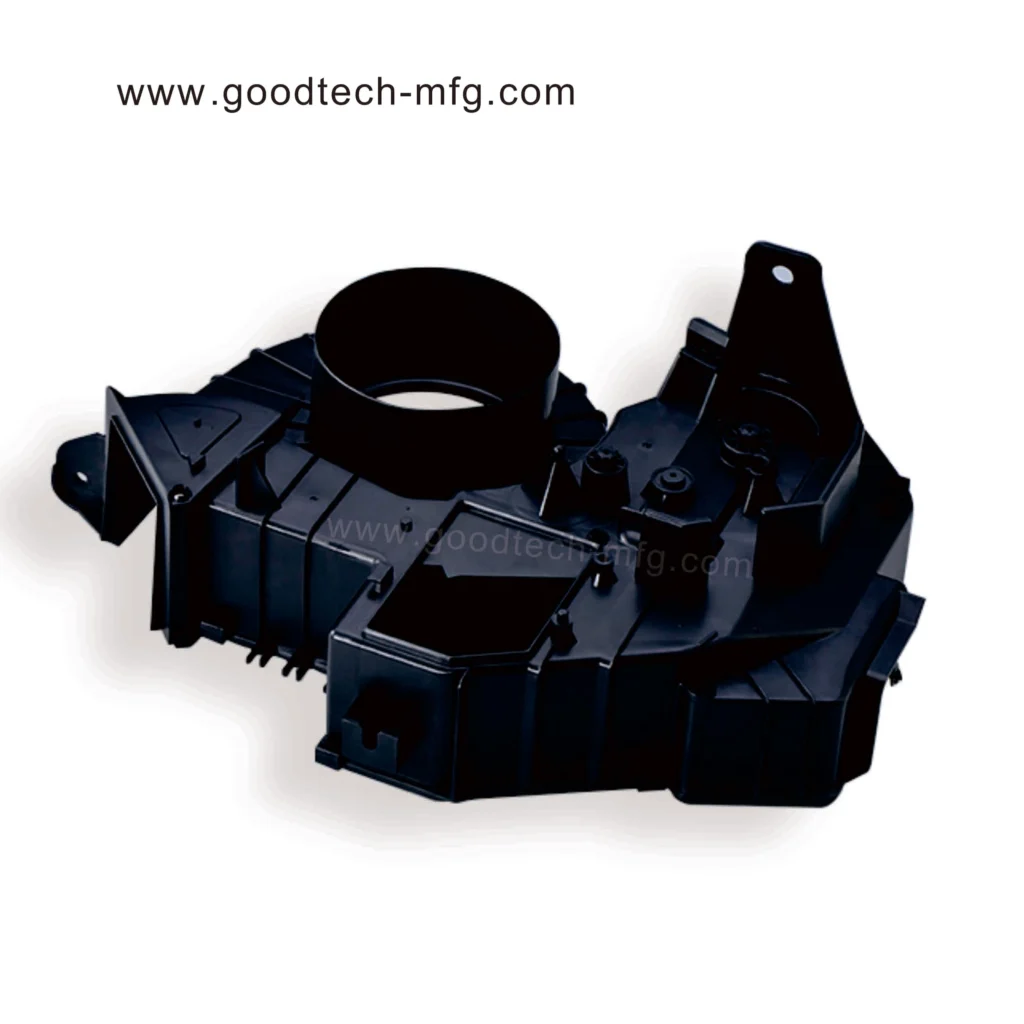
2. ABS Material Properties
ABS is a terpolymer made by polymerizing three monomers:
Acrylonitrile → chemical resistance & heat stability
Butadiene → toughness & impact resistance
Styrene → surface gloss & rigidity
2.1 Mechanical Properties
| Property | Typical Range |
| Density | ~1.04 g/cm³ |
| Tensile Strength | 40–55 MPa |
| Flexural Strength | 70–100 MPa |
| Impact Strength (Izod) | 150–400 J/m |
| Hardness | Rockwell R95 |
Excellent toughness even at low temperatures
Good dimensional stability for precision parts
Suitable for snap-fit designs
2.2 Thermal & Electrical Properties
Heat Deflection Temperature (HDT): 80–100°C
Melting Point: ~220°C
Electrical Insulation: High dielectric strength, ideal for electronics housings
2.3 Chemical Resistance & Surface Finish
Resistant to acids, alkalis, and many oils
Not suitable for prolonged exposure to strong solvents
Naturally high-gloss surface, but can be textured or painted
3. Advantages and Disadvantages of ABS Plastic
3.1 Advantages of ABS Plastic
(1) Outstanding Impact Resistance
ABS is well-known for its ability to withstand sudden shocks, drops, and vibrations without cracking or breaking.
The butadiene component of ABS provides natural elasticity, giving parts higher toughness compared to materials like PS (Polystyrene) or PP (Polypropylene).
This property makes ABS ideal for products that face frequent handling, collisions, or mechanical stress, such as automotive bumpers, helmets, tool housings, and protective cases.
Even at low temperatures, ABS maintains a relatively high impact strength, which is critical for applications in cold environments.
(2) Excellent Mechanical Strength and Stiffness
ABS offers a balanced combination of tensile strength, flexural strength, and stiffness.
Its rigidity makes it suitable for load-bearing applications where structural integrity is essential, such as dashboard frames, enclosures, and instrument panels.
When reinforced with glass fibers or mineral fillers, ABS can achieve even higher mechanical performance, approaching that of engineering plastics like Nylon (PA) and Polycarbonate (PC).
(3) Superior Processability and Versatility
ABS is extremely easy to mold, machine, and fabricate, making it one of the most design-friendly thermoplastics.
● It supports multiple manufacturing methods, including:
● Injection molding (most common) for high-volume production
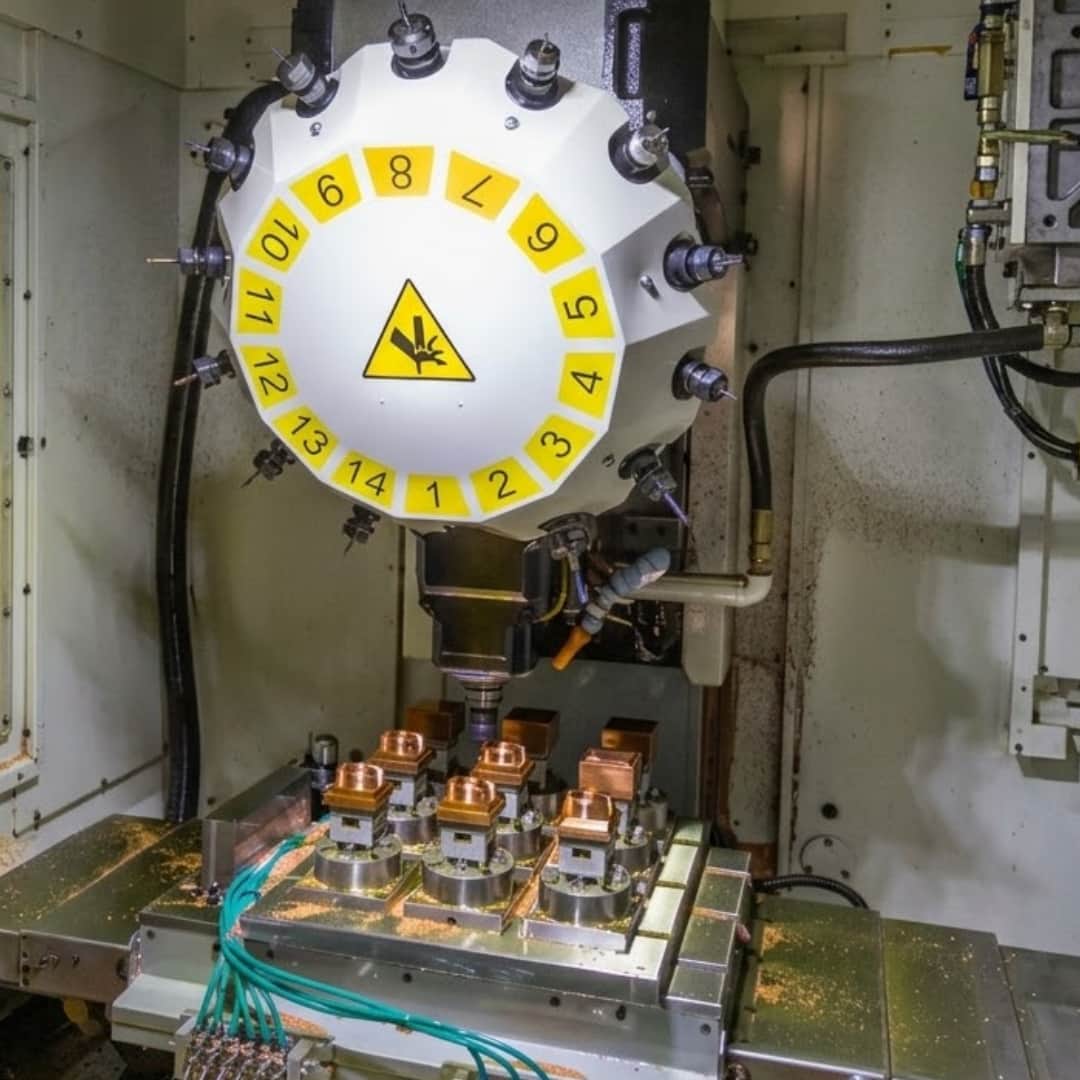
● CNC machining for precision prototypes and low-volume runs
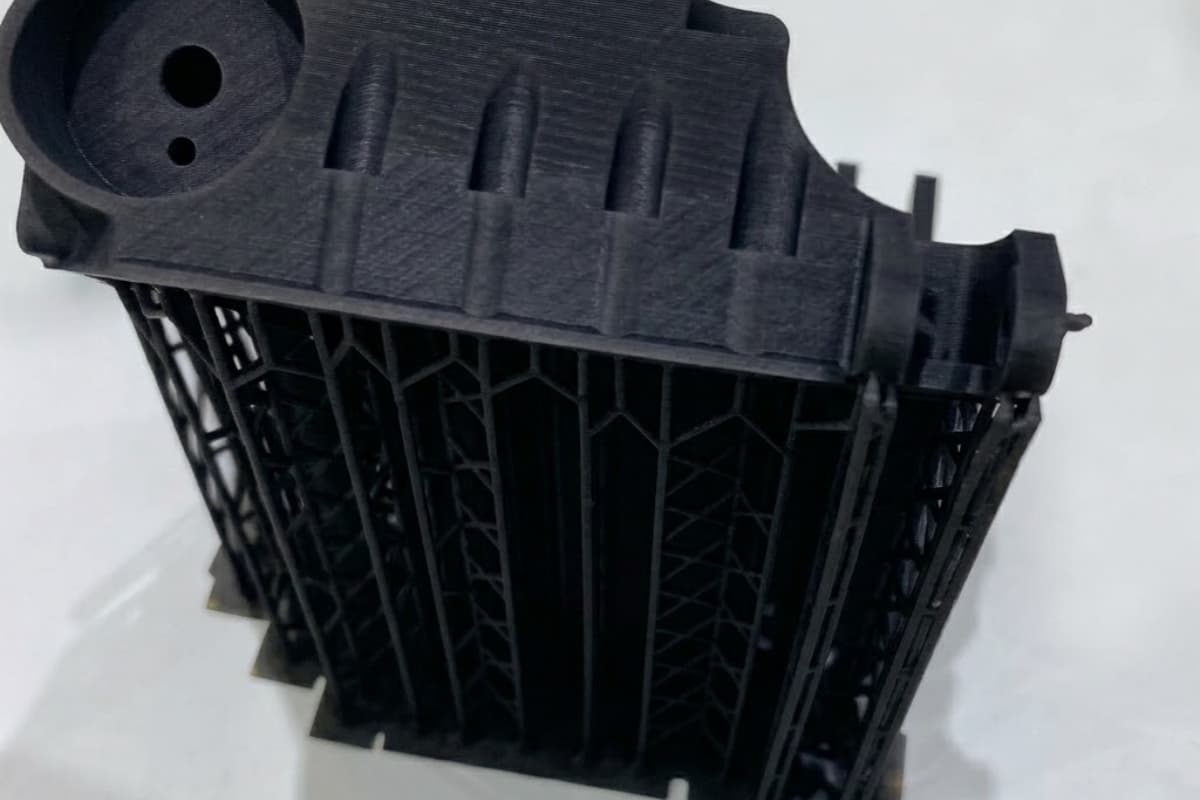
● 3D printing (FDM & SLA) using ABS or ABS-like resins
● Extrusion, thermoforming, and blow molding for sheets, tubes, and hollow parts
Its ability to adapt to diverse processes reduces lead times and lowers manufacturing costs, which is attractive to OEMs and designers.
(4) Wide Temperature Tolerance
ABS typically has a heat deflection temperature (HDT) around 80–100°C and can handle short-term exposure up to 105°C without significant loss of mechanical strength.
Compared to PS and PE, ABS performs better under moderate heat conditions, making it ideal for automotive interiors, electrical housings, and appliance components.
For applications requiring higher heat resistance, flame-retardant and heat-stabilized ABS grades are available.
(5) Chemical and Surface Properties
Chemical resistance: ABS performs well against many alkalis, acids, and non-polar solvents, making it suitable for products like lab equipment housings and fluid handling components.
Surface finish: ABS has an inherently smooth surface that can be easily painted, plated, textured, or UV-coated.
This versatility makes it a preferred choice for consumer electronics, automotive interiors, and aesthetic product designs where appearance matters.
(6) Electrical Insulation Properties
ABS is a natural electrical insulator, making it highly suitable for electrical housings, switches, sockets, and connectors.
It maintains insulation even in humid environments, which is critical for safety in household appliances and consumer electronics.
(7) Cost-Effectiveness
Compared to higher-end engineering plastics like PC, PBT, or PA, ABS offers excellent performance at a lower cost.
Its balance of affordability and durability makes it one of the most economical choices for designers seeking performance without significant material expenses.
3.2 Disadvantages and Limitations of ABS Plastic
Despite its versatility, ABS is not suitable for every application. Understanding its limitations ensures better material selection and design optimization.
(1) Poor Weather and UV Resistance
Standard ABS degrades under prolonged sunlight, UV radiation, and outdoor exposure.
Over time, UV exposure causes:
● Color fading and yellowing
● Surface chalking
● Loss of mechanical strength and brittleness
For outdoor applications, UV-stabilized ABS or ASA (Acrylonitrile Styrene Acrylate) is preferred.
(2) Flammability Concerns
ABS is inherently flammable and will burn if exposed to open flames.
It tends to melt and drip, releasing potentially toxic fumes during combustion.
To meet safety regulations, especially for electronics and automotive components, flame-retardant ABS grades are often used.
(3) Limited High-Temperature Performance
While ABS can handle moderate heat, it is not suitable for continuous high-temperature environments.
Above 105°C, the material starts to soften and lose stiffness.
Applications requiring high thermal stability may need alternatives like PBT, PPS, or PC blends.
(4) Dimensional Stability Issues
ABS has a relatively high coefficient of thermal expansion (CTE), meaning it expands and contracts significantly with temperature changes.
This can be problematic for:
● Precision components requiring tight tolerances
● Assemblies exposed to fluctuating temperatures
Glass-fiber-reinforced ABS grades can help minimize this issue.
(5) Chemical Sensitivity to Certain Solvents
While ABS is resistant to many chemicals, it is vulnerable to polar solvents, such as:
● Ketones (e.g., acetone)
● Esters
● Certain hydrocarbons
Prolonged contact with these solvents can cause surface cracking, swelling, or deformation.
(6) Environmental and Recycling Limitations
ABS is not biodegradable and has lower recyclability compared to materials like PET or HDPE.
However, post-industrial ABS recycling is common in the automotive and electronics sectors, and new eco-friendly ABS blends are emerging.
Summary Table: Advantages vs. Disadvantages
| Aspect | Advantages | Disadvantages |
| Impact Resistance | High toughness, durable in demanding uses | Loses toughness under UV exposure |
| Mechanical Strength | Good rigidity and load-bearing capability | Lower than engineering plastics like PA |
| Processability | Easy to mold, machine, and 3D print | Warpage possible in thin-walled parts |
| Temperature Tolerance | Withstands moderate heat (up to 105°C) | Limited high-heat performance |
| Surface Finish | Smooth, easy to paint and plate | Needs coating for outdoor durability |
| Electrical Insulation | Excellent for electronics | None |
| Cost Efficiency | Affordable vs. PC and Nylon | Slightly costlier than PS and PP |
4. How ABS Plastic Parts Are Manufactured
ABS is compatible with various manufacturing techniques depending on the application and design requirements.
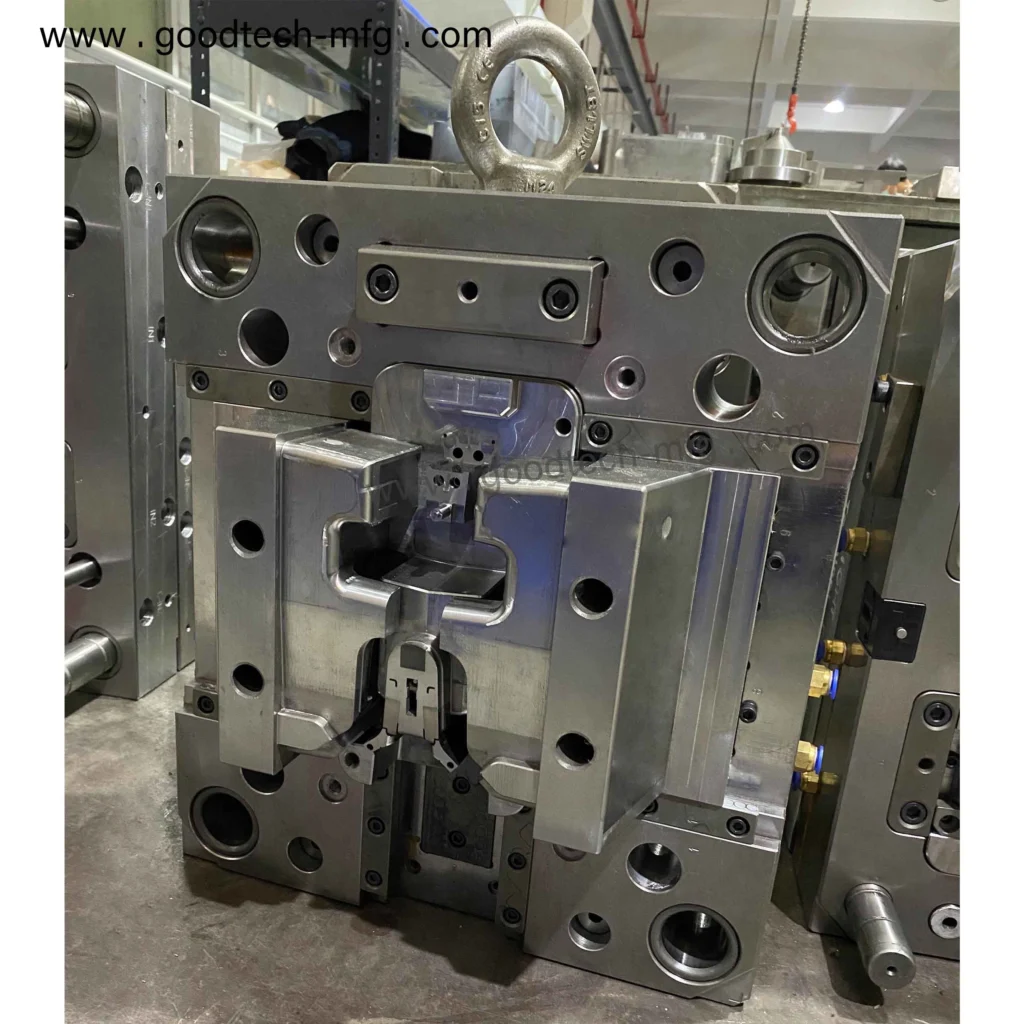
4.1 Injection Molding (Most Common)
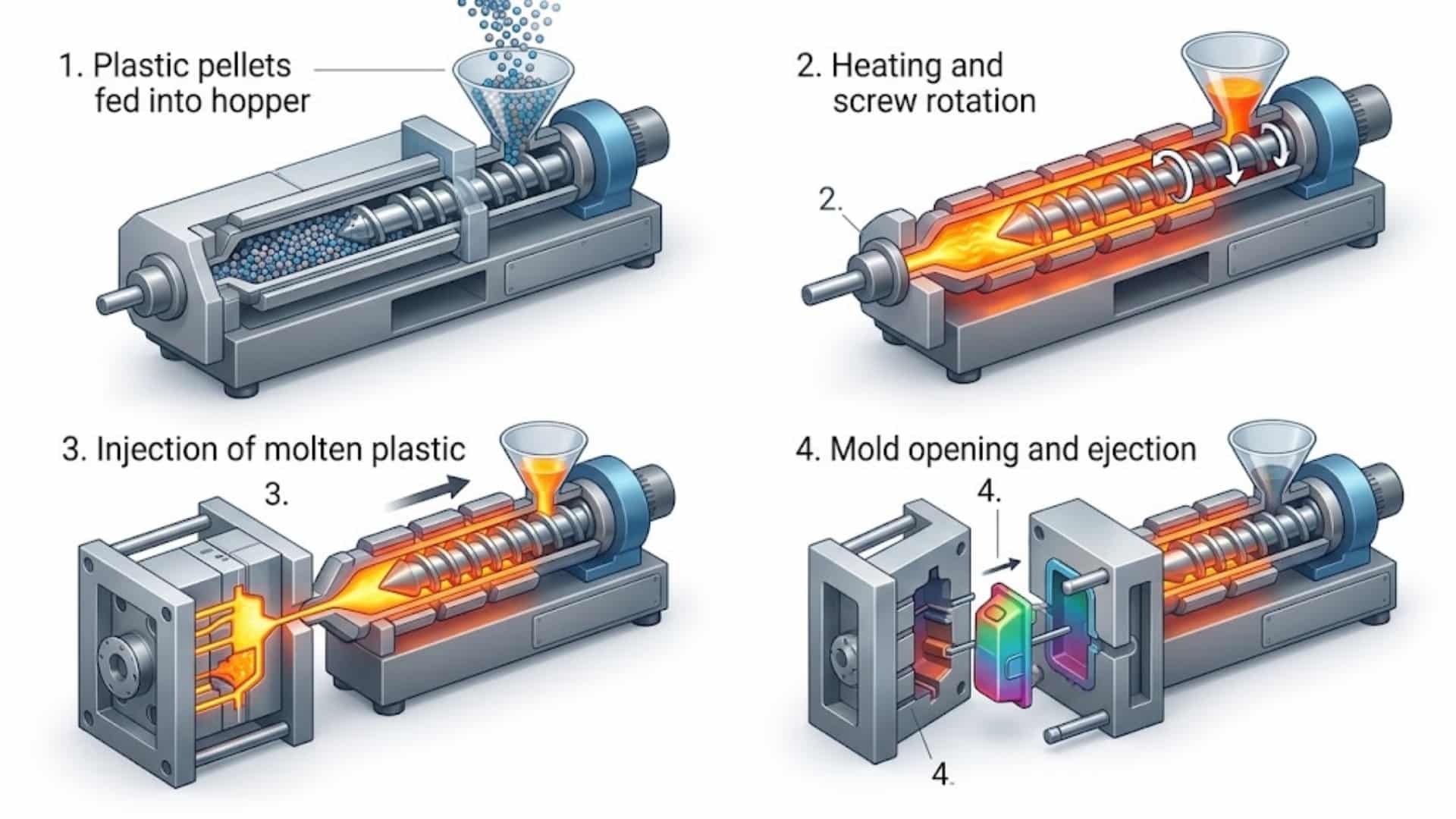
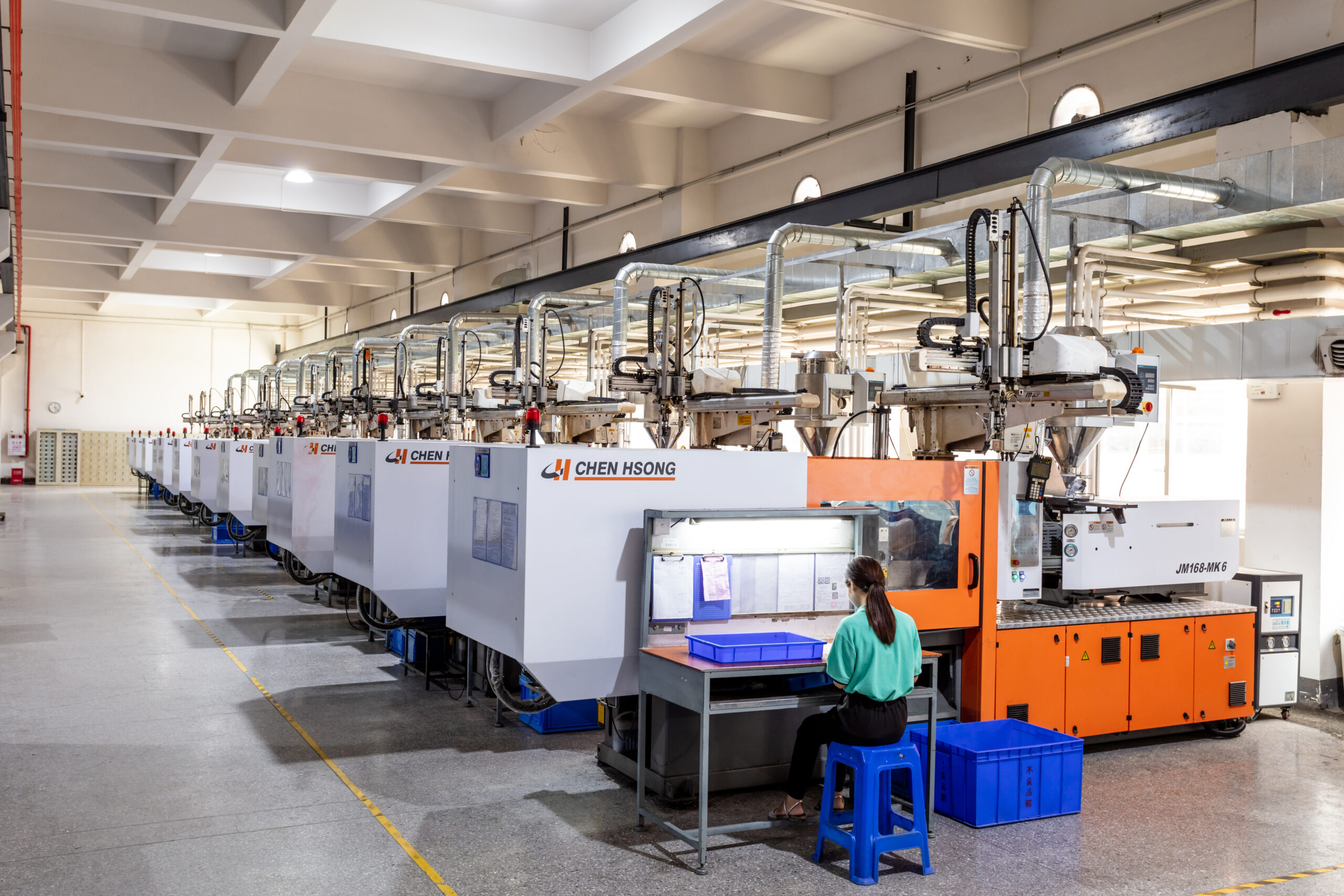
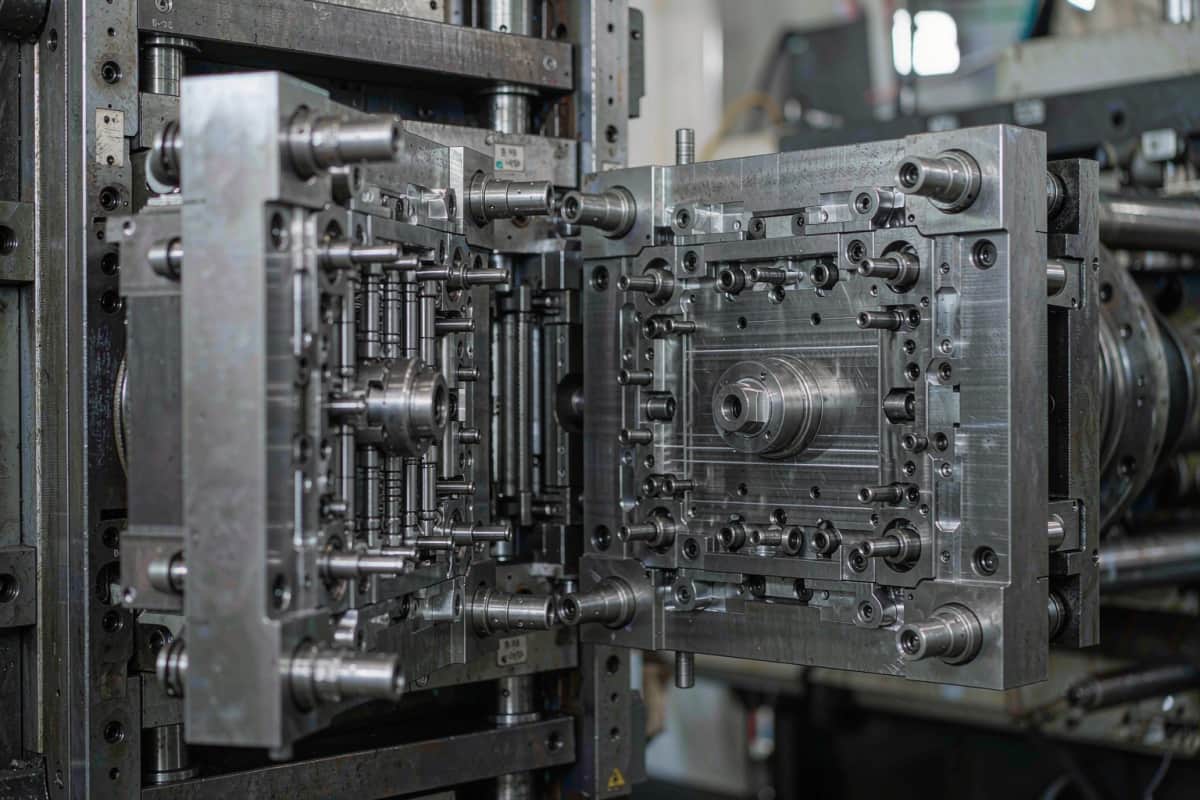
Ideal for mass production of complex parts
Produces high-precision components with excellent surface quality
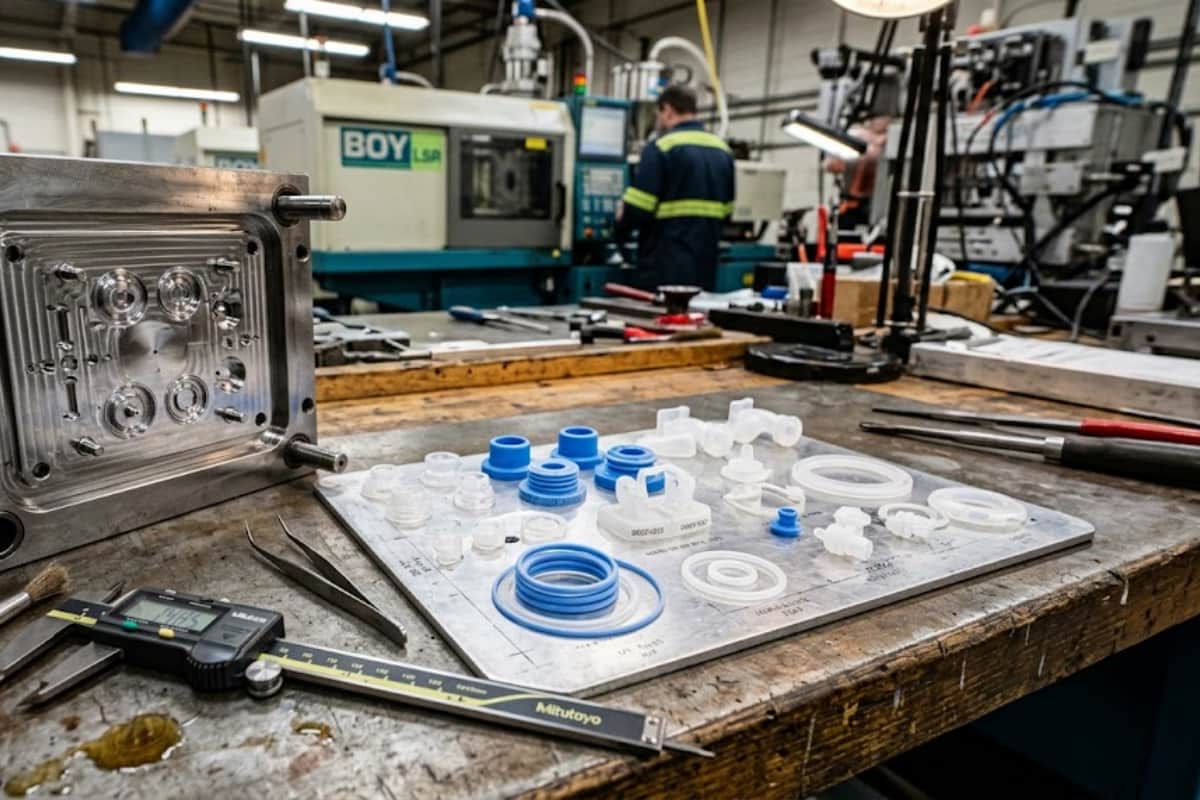
Supports inserts, overmolding, and multi-cavity tooling
GoodTech Tip: For ABS injection molding, maintain a mold temperature of 60–80°C and barrel temperature of 200–250°C to reduce warpage and improve surface finish.
4.2 CNC Machining
Best for low-volume production or prototyping
Produces precise tolerances
Requires stress-relieving to avoid cracking during machining
4.3 3D Printing (FDM)
Popular for functional prototyping
Requires heated bed and enclosed chamber for stability
Slightly lower strength compared to molded ABS
4.4 Extrusion & Blow Molding
Used for ABS pipes, sheets, and hollow containers
Offers good flexibility for large-scale production
4.5 Thermoforming
Suitable for producing lightweight panels and trays
Requires careful control of heating to prevent surface defects
5. Applications of ABS Plastic
ABS is used across multiple industries due to its mechanical performance, aesthetic qualities, and cost-effectiveness.
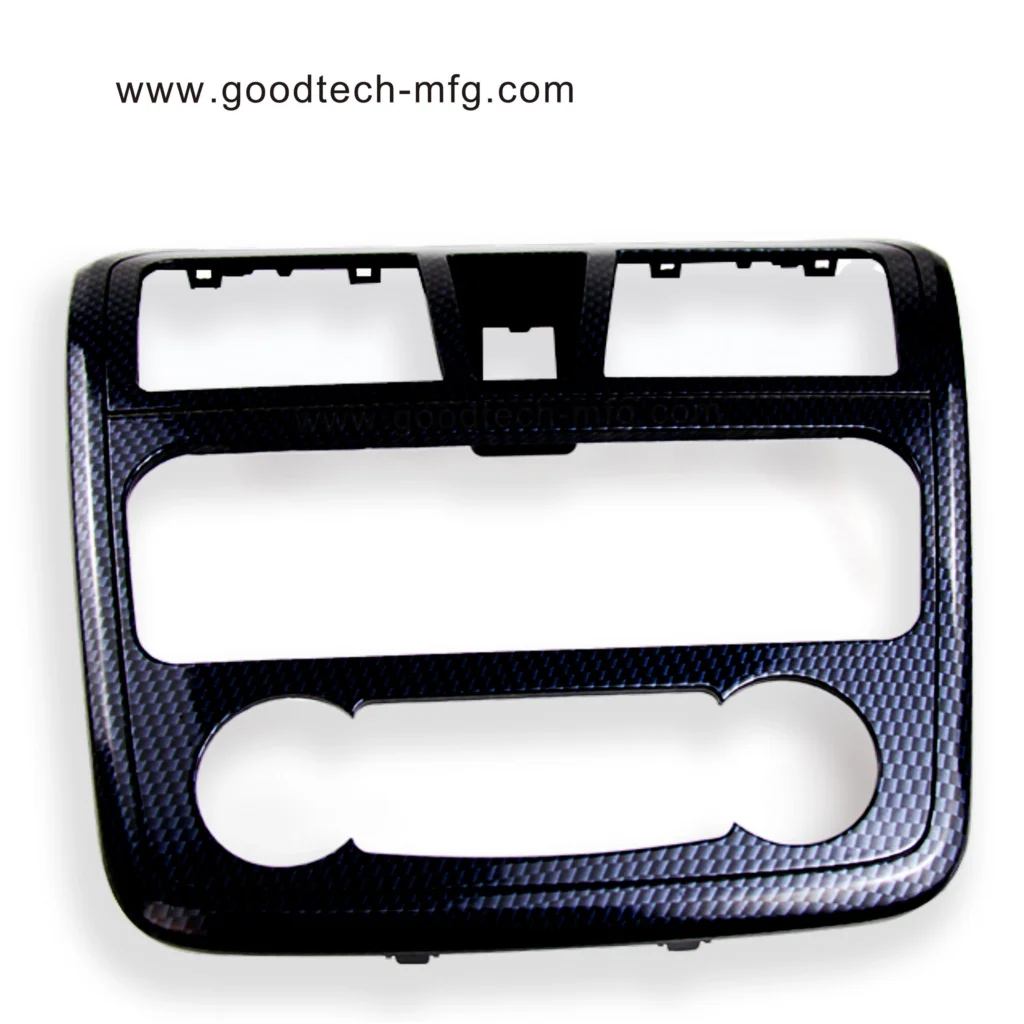
5.1 Automotive
Dashboards, pillar trims, and interior panels
Bumper covers and grilles
Lightweight structural components
5.2 Consumer Electronics
Laptop housings, smartphone shells, and remote controls
Router enclosures and gaming consoles
5.3 Household Appliances
Vacuum cleaner bodies
Refrigerator liners
Washing machine covers
5.4 Medical Devices
Non-contact casings for diagnostic equipment
Handles, knobs, and support brackets
5.5 Toys and Sports Equipment
Widely used in LEGO® bricks
Helmets, protective gear, and sports equipment
6. Comparison Between ABS and Other Plastics
| Property | ABS | PS | PP | PC | PE |
| Impact Resistance | High | Low | Medium | Very High | Medium |
| Heat Resistance | Medium | Low | Low | High | Low |
| Surface Finish | Glossy | Glossy | Matte | Transparent | Waxy |
| Cost | Moderate | Low | Low | High | Low |
| Chemical Resistance | Medium | Low | High | Medium | High |
| Applications | Automotive, Electronics, Appliances | Packaging, Disposable items | Containers, Automotive parts | Optical lenses, Safety helmets | Bottles, Film, Tubing |
7. Design & Manufacturing Tips for ABS Plastic
ABS plastic offers excellent mechanical strength, impact resistance, and surface finish, but optimizing part design and manufacturing processes is critical to achieving the best results. Poor design decisions can lead to warpage, sink marks, cracking, or inconsistent quality. Below are detailed tips that cover material selection, part design, processing techniques, and quality control.
7.1 Material Selection and Grade Optimization
ABS is available in many different grades depending on performance requirements. Choosing the right one ensures optimal functionality and manufacturability.
(1) Standard ABS
Best for general-purpose parts such as toys, consumer products, and housings.
Offers a good balance between cost and performance.
(2) High-Impact ABS
Contains a higher ratio of butadiene, making it tougher and more flexible.
Ideal for automotive bumpers, protective gear, and tool housings.
(3) Heat-Resistant ABS
Modified to withstand temperatures up to 110–120°C.
Commonly used in automotive interiors, appliances, and electronic housings.
(4) Flame-Retardant ABS
Includes additives to meet UL94 V-0 or V-1 ratings.
Widely used in electrical housings, switches, and appliances.
(5) Plating-Grade ABS
Specially formulated for chrome plating and decorative finishes.
Common in automotive trims, kitchen appliances, and consumer electronics.
Tip: At Goodtech MFG, we help clients select the right ABS grade based on impact strength, chemical resistance, cost targets, and surface requirements.
7.2 Part Design Guidelines for ABS Components
ABS is easy to mold but sensitive to wall thickness, stress concentration, and cooling rate. Good design minimizes warpage and defects.
(1) Wall Thickness Optimization
Ideal wall thickness: 1.5 mm to 4.5 mm for most ABS parts.
Thin walls (<1.5 mm): Risk of incomplete filling and reduced strength.
Thick walls (>5 mm): Increase sink marks, internal stress, and cooling time.
Use ribs and gussets to improve stiffness without increasing wall thickness.
(2) Draft Angles for Easy Ejection
ABS has a moderate shrinkage rate (0.4–0.7%), requiring proper draft angles.
Recommended draft angle: 1° to 2° per side for textured surfaces.
For glossy finishes, 0.5° may be acceptable to maintain appearance.
(3) Avoid Sharp Corners and Stress Concentration
Sharp edges create stress risers, leading to cracks under load or impact.
Use fillets or radii:
● Minimum radius: 0.5× wall thickness.
● For high-impact ABS, larger radii are preferred for durability.
(4) Bosses and Ribs Design
Bosses (screw posts, mounting points) should have consistent wall thickness to avoid sink marks.
Rib thickness: 60% of nominal wall thickness.
Rib height: ≤ 3× wall thickness to avoid ejector pin marks and incomplete filling.
(5) Living Hinges and Snap Fits
Standard ABS is not ideal for thin living hinges due to limited flexibility.
If hinges are needed, consider blended ABS grades or redesign for snap-fit assemblies.
For snap-fits, allow 0.2–0.3 mm clearance for easy engagement without excessive stress.
7.3 Injection Molding Tips for ABS
Since injection molding is the most common ABS processing method, optimizing molding parameters is crucial.
(1) Drying ABS Resin
ABS is hygroscopic and must be dried before molding.
Recommended drying: 80–85°C for 2–4 hours.
Moisture causes silver streaks, bubbles, and poor surface finish.
(2) Injection Temperature & Pressure
Typical melt temperature: 210–250°C.
Mold temperature: 50–80°C for best surface finish.
Higher injection pressure ensures proper filling but avoid excessive pressure to prevent flash and warpage.
(3) Cooling Rate Control
ABS shrinks moderately; uniform cooling is critical to avoid deformation.
Use optimized cooling channels in molds.
For thick parts, sequential cooling can prevent sink marks and voids.
(4) Gate Design
ABS flows moderately well but needs proper gate design:
Recommended gate thickness: 30–60% of wall thickness.
Avoid small gates for large parts to prevent short shots.
Fan gates or edge gates are preferred for cosmetic surfaces.
7.4 Surface Finishing and Decoration
ABS’s smooth, low-porosity surface allows multiple finishing techniques:
Painting & Printing → Easy to paint, screen print, and pad print.
Electroplating → Plating-grade ABS provides excellent adhesion for chrome finishes.
Laser Marking → Suitable for branding and serial numbers.
Texture & Etching → Molded-in textures improve grip and reduce scratches.
Tip: If aesthetics are important, specify high-gloss ABS grades and control mold polish level carefully.
7.5 Dimensional Stability and Warpage Prevention
Maintain uniform wall thickness to reduce differential shrinkage.
Add ribs and gussets instead of thick walls for structural integrity.
Use glass-fiber-reinforced ABS for parts requiring tight tolerances.
Design balanced cooling systems to ensure even mold temperature.
7.6 Quality Control and Testing Recommendations
To ensure consistent part performance, implement the following QC measures:
Melt Flow Index (MFI) Testing → Ensures material consistency.
Dimensional Inspection → Use CMM or 3D scanning for critical tolerances.
Impact and Tensile Testing → Verify strength for load-bearing parts.
Surface Defect Analysis → Check for sink marks, voids, weld lines, and flow marks.
7.7 Cost Optimization Strategies
ABS is cost-effective, but optimizing design can reduce total part cost:
Minimize material waste by using thinner walls and ribs.
Use multi-cavity molds for high-volume production.
Consider gas-assisted molding for hollow, lightweight structures.
Select recycled ABS blends where surface quality is not critical.
8. Sustainability & Recycling of ABS
ABS is 100% recyclable through mechanical regrinding
Recycled ABS retains ~80% of its original properties
Bio-based ABS alternatives are emerging for eco-conscious designs
GoodTech Insight: Using regrind can reduce raw material costs without compromising part quality if blended correctly.
9. Frequently Asked Questions (FAQ)
Q1. Is ABS plastic safe for food contact?
Not all ABS grades are FDA-approved. Always check certification before use.
Q2. Is ABS stronger than PP or PC?
ABS is stronger than PP but not as strong as PC, which offers higher impact resistance.
Q3. Can ABS be 3D printed?
Yes. ABS is one of the most common FDM materials but requires a heated build chamber to prevent warping.
Q4. Can ABS parts be chrome plated?
Yes, ABS has excellent adhesion properties for electroplating and decorative finishes.
ABS plastic is a versatile, cost-effective material that offers an excellent balance of strength, processability, and aesthetics. From automotive dashboards to medical housings, its applications are nearly limitless.
At GoodTech MFG, we specialize in ABS plastic injection molding and part design optimization. Whether you’re developing prototypes or scaling mass production, we provide end-to-end manufacturing support to bring your ideas to life.
Ready to manufacture high-quality ABS parts? Contact GoodTech MFG today to discuss your project.