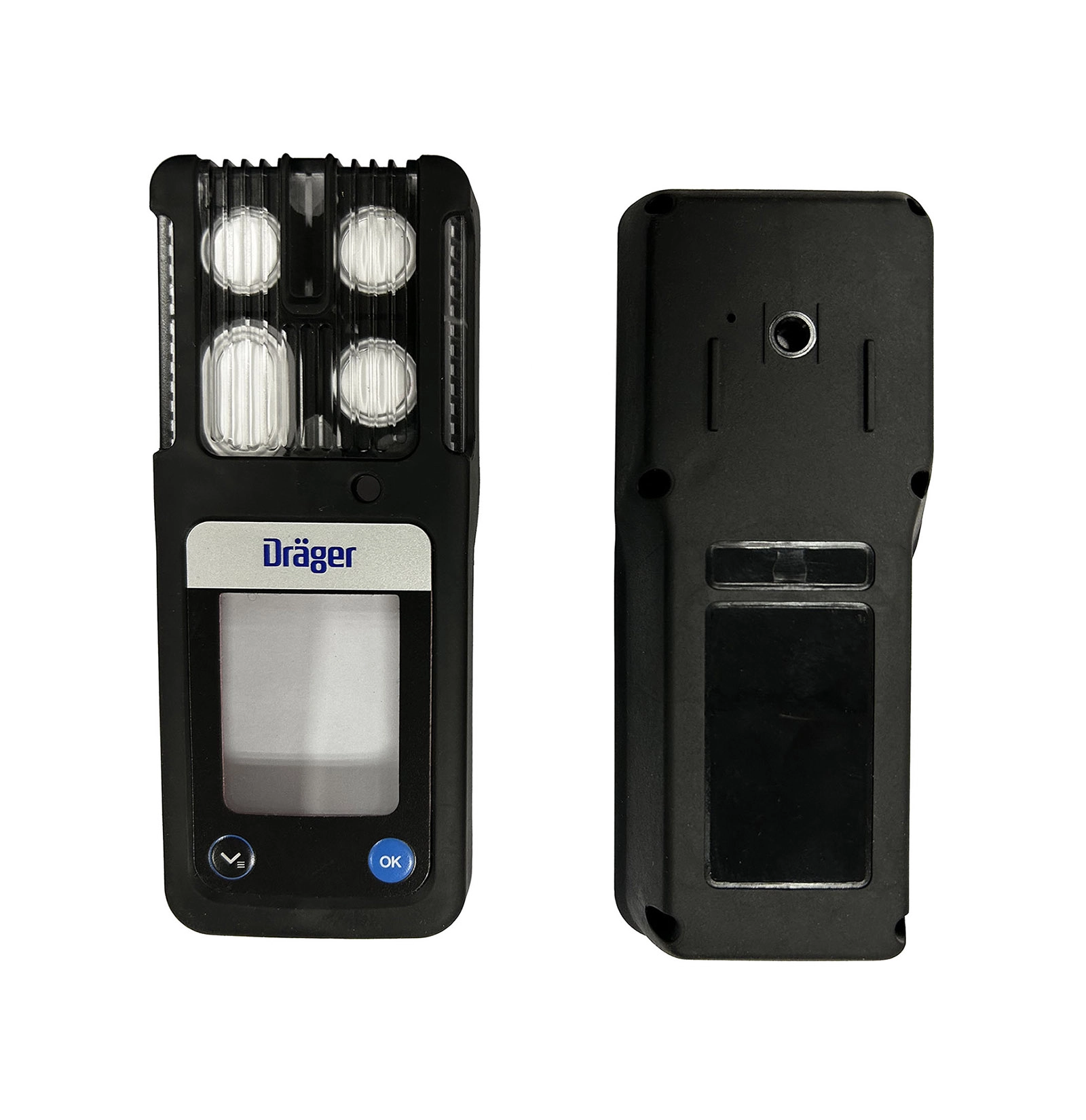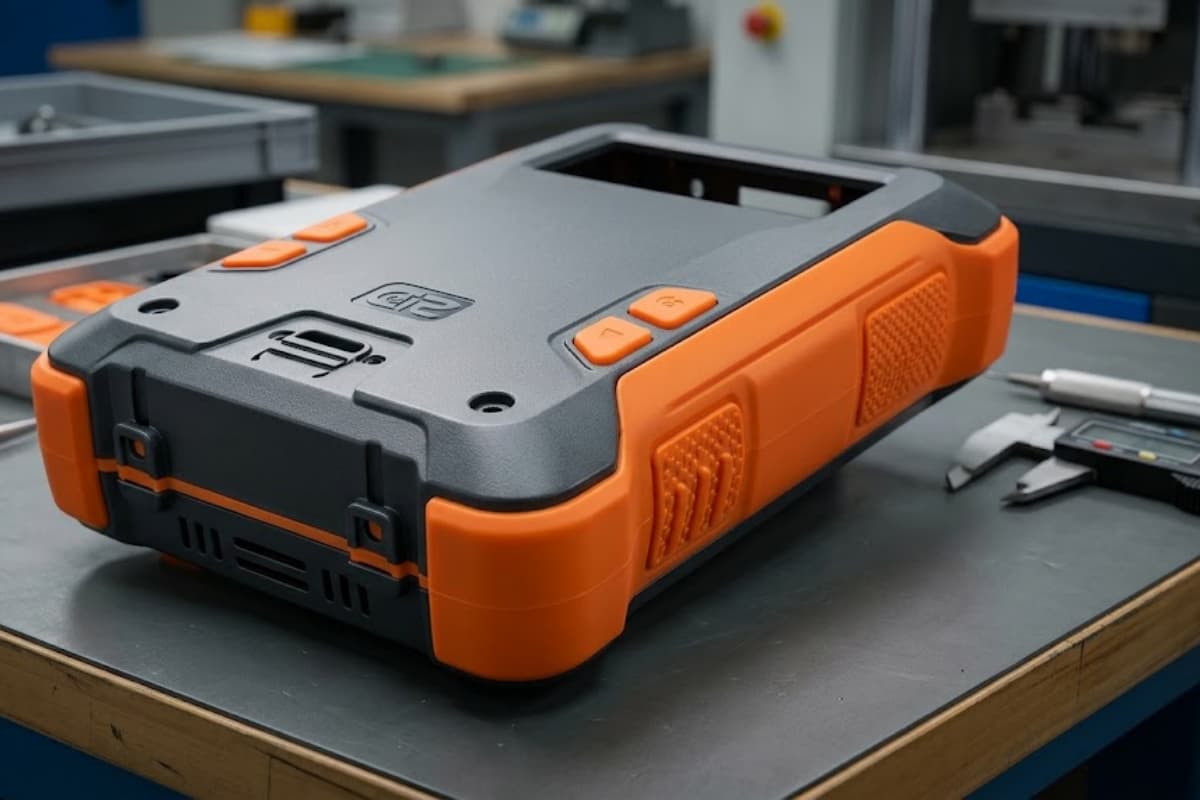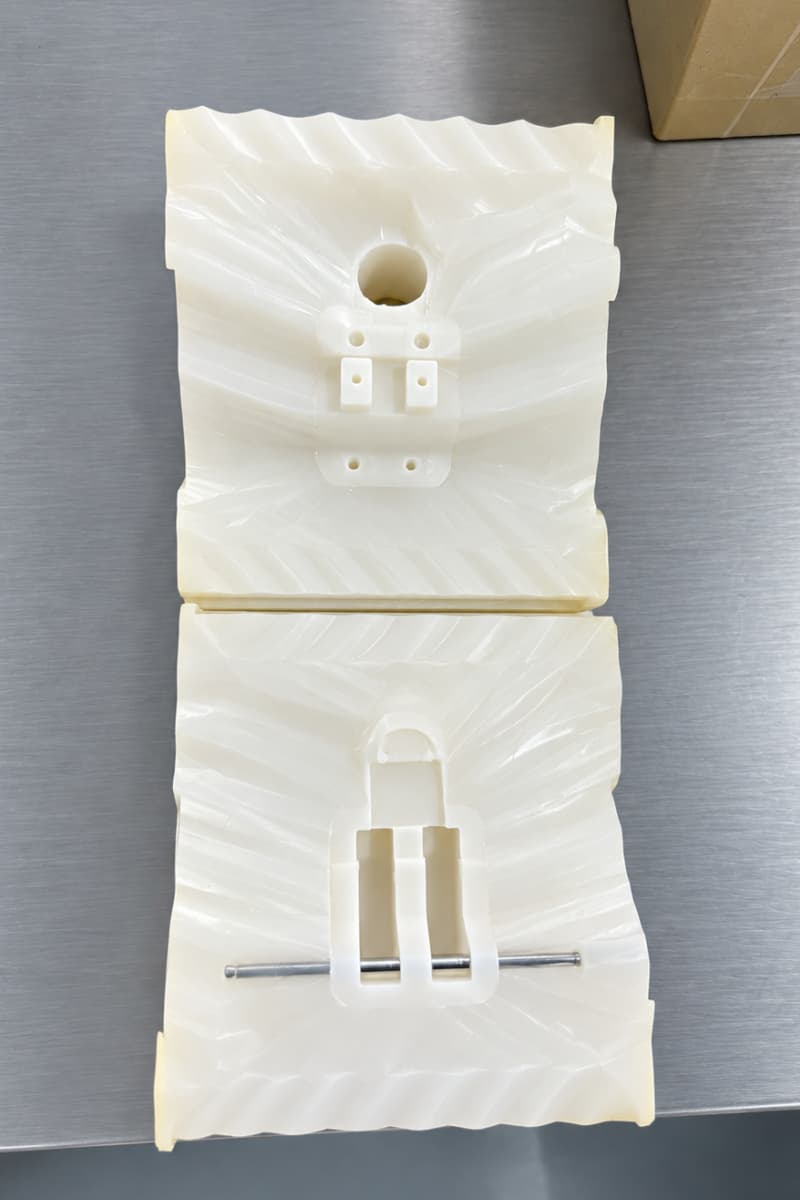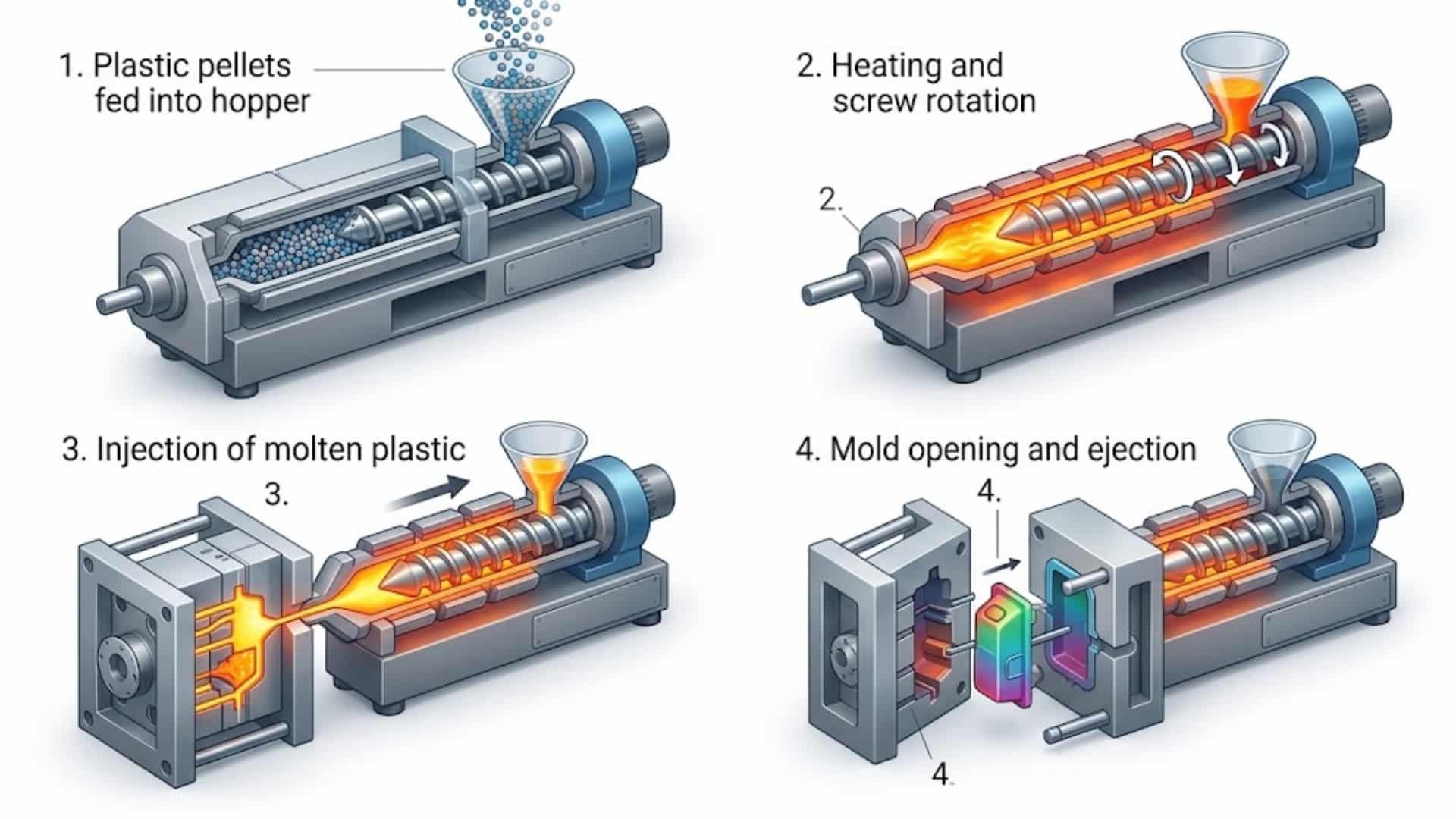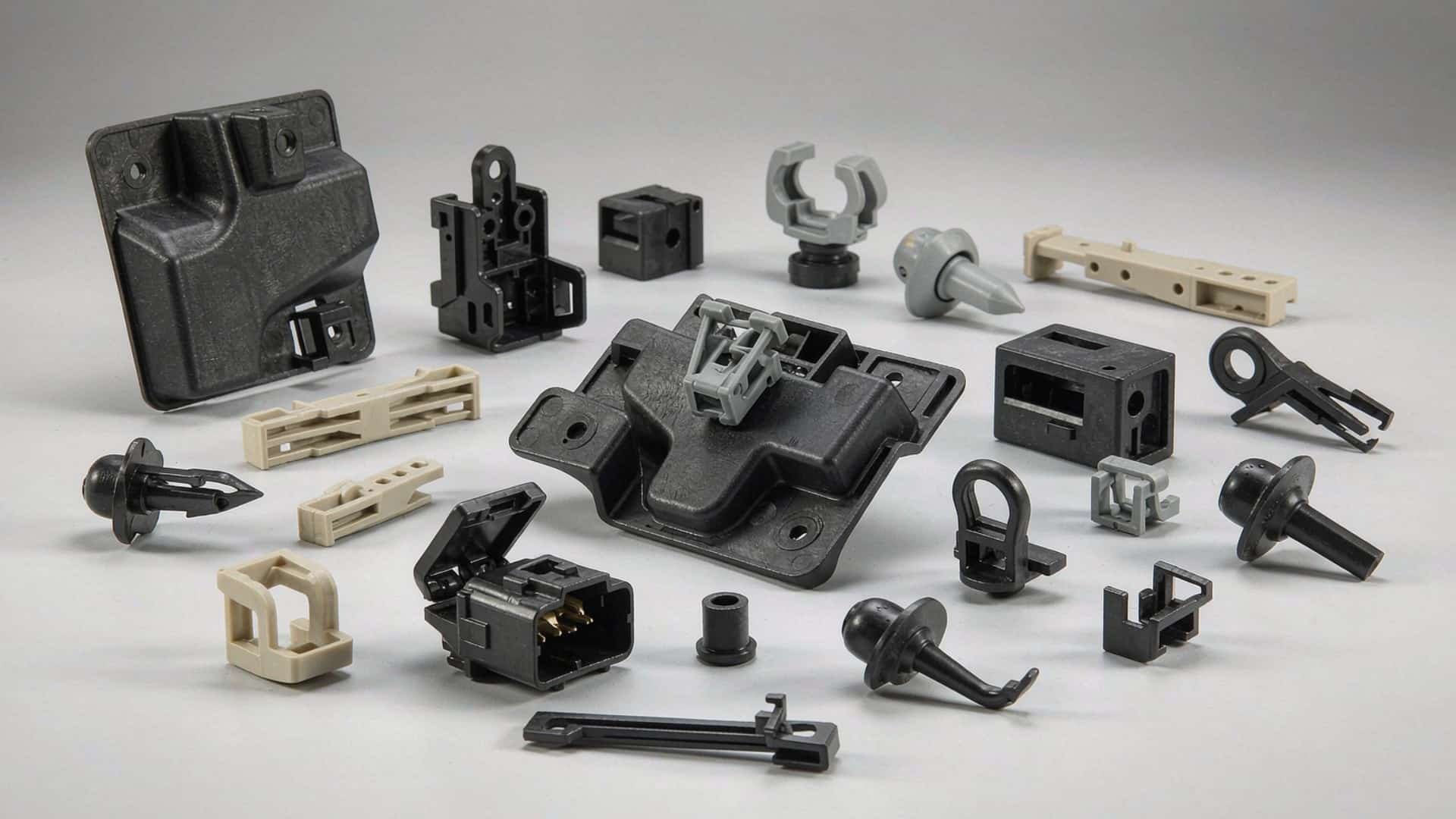

When a part needs two materials or two colors presented as one sealed component — a two-tone housing, a soft-touch button on a rigid shell, or a gasket fused into a bracket — the cleanest route is often two-color (2K) molding. GoodTech’s injection molding services cover thermoplastic molding, overmolding, insert molding, two-color (2K) molding, and liquid silicone rubber (LSR), backed by in-house mold fabrication and a quality system built for medical, automotive, consumer electronics, and food-equipment applications. This guide is the dedicated reference for 2K: how the process works, the design rules that decide whether it pays off, when it beats overmolding or insert molding, and where each industry puts it to work.
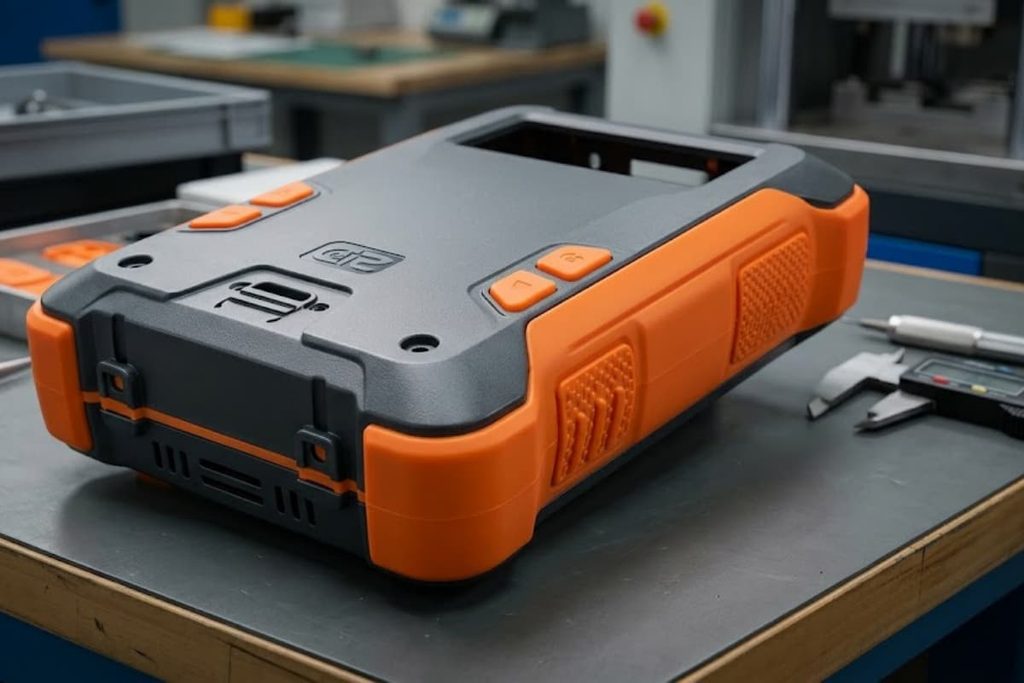
The core answer up front: two-color (2K) molding produces a sealed dual-material part in a single cycle using rotary or transfer tooling, so it wins when you need two materials or colors permanently joined without a secondary bonding step — but it adds cost for simple single-material parts, so reserve it for parts where the dual-material, one-cycle benefit is real. Overmolding and insert molding remain the right answers for a bonded soft layer or a captured rigid component respectively; 2K is the choice when both materials are molded together, in sequence, in one tool.
The Classification Axis: One Question First
Single-Shot vs Two-Color Molding
The first cut in any molding decision is to ask one binary question before comparing specifics. For process choice, that question is “does the part need two materials or two colors fused into one sealed piece, molded together rather than joined afterward?”
- Single-material thermoplastic injection molding is the default for high-volume rigid or semi-rigid parts in ABS, PC, PA, POM, and similar resins. It is the cheapest path when one material does the whole job.
- Two-color (2K) molding exists precisely because one shot of one material cannot present two materials or colors as one sealed component. It molds both materials in sequence within a single cycle.
- Overmolding and insert molding are the adjacent multi-material families — a second material bonded onto a substrate (overmolding) or a rigid component captured inside the plastic (insert molding). They solve related but distinct jobs; 2K’s differentiator is that both materials are molded, not bonded-on or inserted.
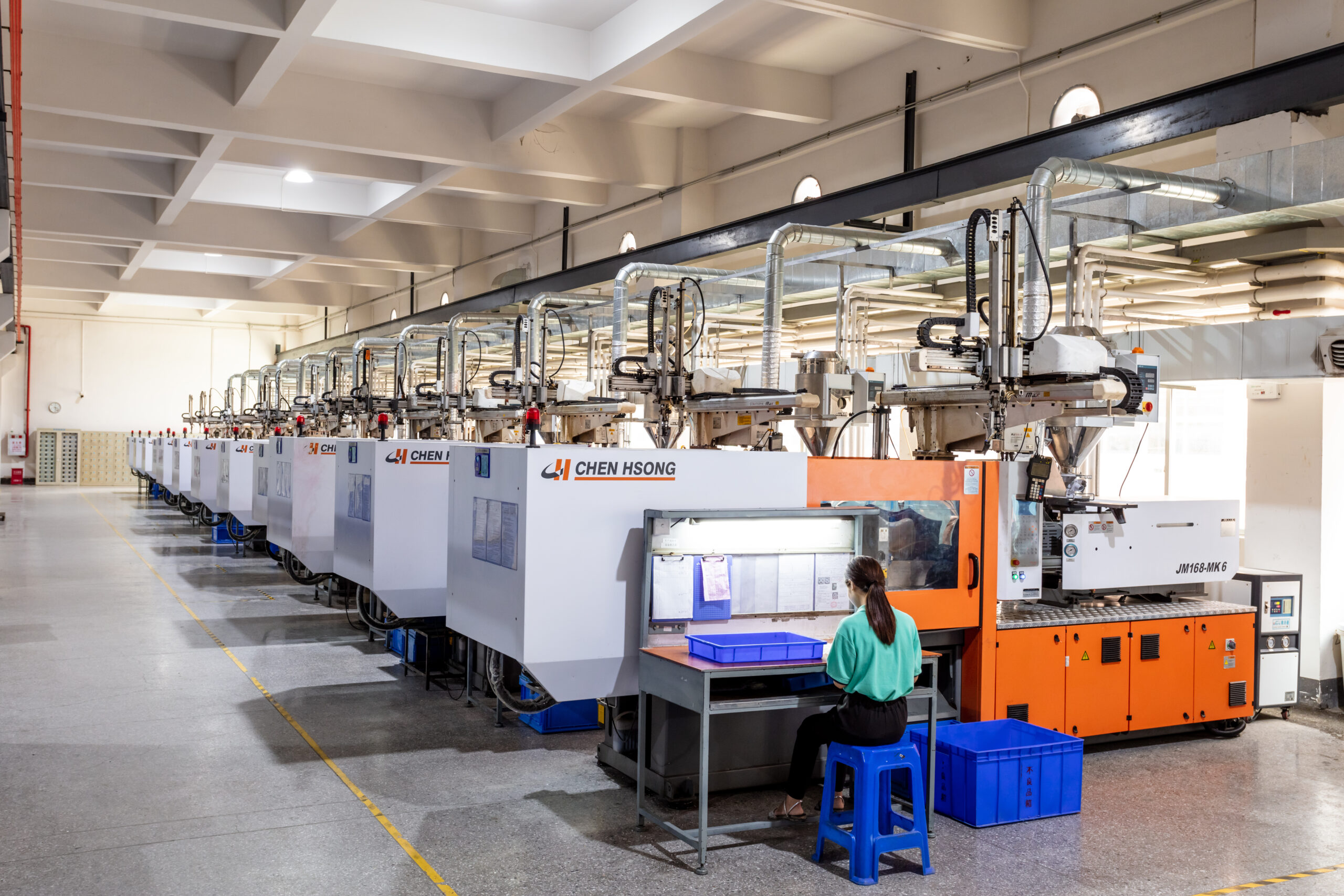
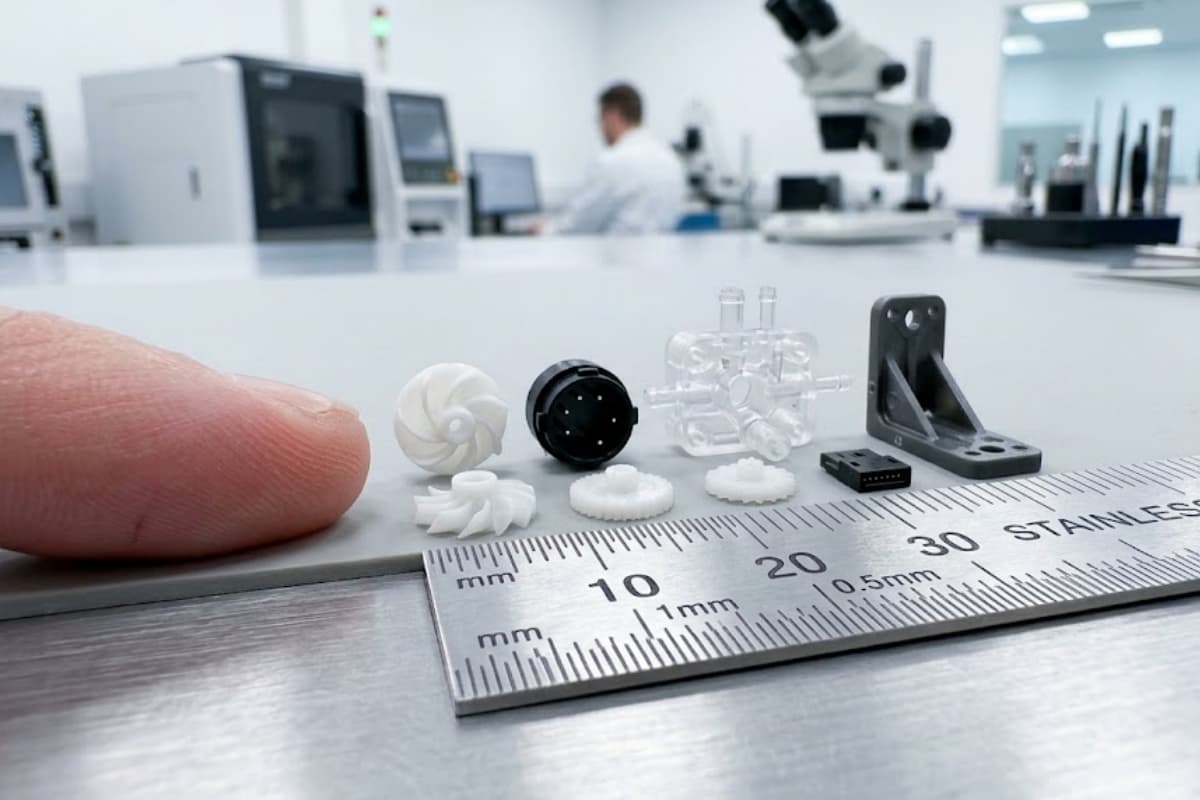
GoodTech lists 2K as a distinct process variant under its plastic injection molding and mold fabrication capabilities, supported by mold flow analysis, tooling design, prototype tooling, and mass-production tooling. The part-weight envelope runs from about 0.2 g to 4,500 g on presses rated 60 to 1,000 tonnes across its molding floor — so 2K applies to everything from miniature enclosures to structural automotive pieces.
“Two-color (2K) molding — Sealed dual-material parts in one cycle — Gate and rotary/transfer tooling design — Not ideal for simple single-material parts (adds cost).” — GoodTech, Injection Molding Guide: Process, Design Tips & Materials (Oct 15, 2026)
The classification matters because 2K changes the tooling (rotary/transfer), the cycle, and the design rules you must obey — and because it decides whether the dual-material benefit is worth the added tooling cost.
The Decision Tree: What You Care About Most
The Needs-Based Selection Guide
Once you know you need multi-material integration, name the single dominant function the second material must perform. GoodTech’s own process table maps each variant to where it fits — and where it does not:
| Dominant need | Process | What GoodTech says it is best for | Not ideal for |
|---|---|---|---|
| Two materials/colors in one sealed part, one cycle | Two-color (2K) molding | Sealed dual-material parts in one cycle | Simple single-material parts (adds cost) |
| Soft grip, seal, or cushion bonded to a rigid base | Overmolding | Soft-grip handles, seals bonded to a substrate | Two incompatible, non-bonding resins |
| Mold a metal thread, bushing, or contact into plastic | Insert molding | Metal threads, bushings, contacts molded into plastic | High-cavitation runs where insert loading slows the cycle |
The decision logic:
- Do you need two colors or two materials presented as one sealed component, made in a single cycle with no glue or secondary bonding? → Two-color (2K) molding.
- Do you need a soft layer for grip or a seal bonded onto a hard part? → Overmolding (see GoodTech’s dedicated overmolding guide for the deep dive).
- Do you need a rigid, often metallic, component captured inside the plastic? → Insert molding.
Needs can conflict — a part may want a metal insert and a second molded color. In that case the non-negotiable requirement leads: if the metal function is structural or electrical, insert molding is the base process; if the second color is the priority and the insert is secondary, 2K carries the color while the insert is loaded into the tool. GoodTech’s engineering team runs DFM and mold-flow review up front to settle that sequence before cutting steel. Good rule of thumb: if a single-material part would do the job, 2K only adds cost — use it only when the dual-material, one-cycle result is required.
Process Pitfalls: 2K-Specific Failure Modes
Three High-Frequency 2K Risks
The biggest “don’t” in 2K molding is tooling and material mismatch that breaks the sealed dual-material result — and it breaks down into three process-specific traps:
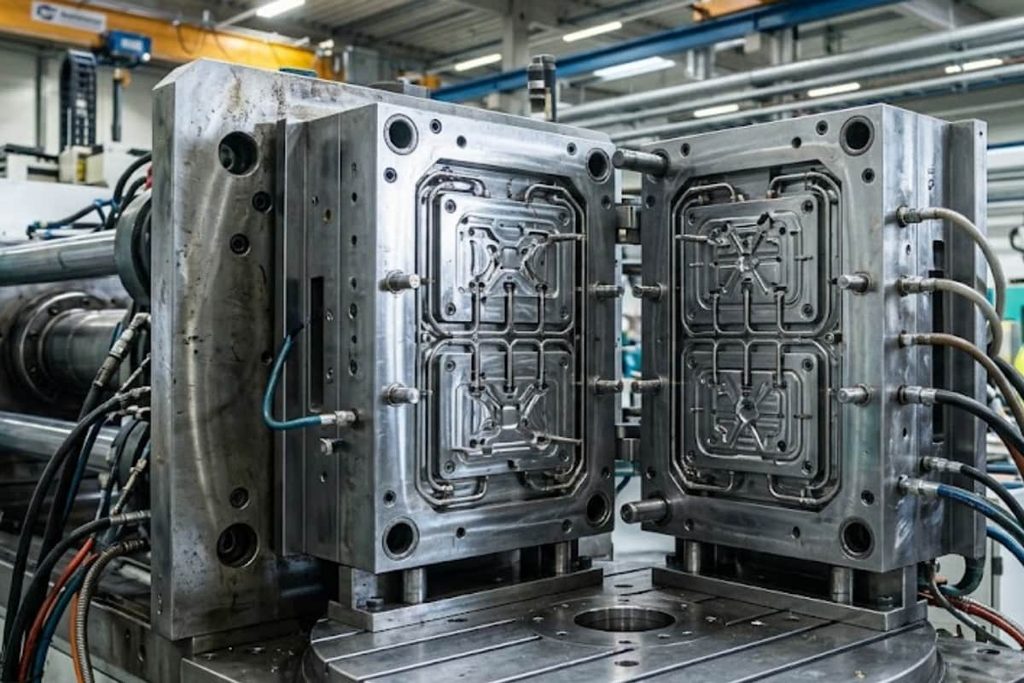
1. Tooling cost on simple parts. 2K needs rotary or transfer tooling and deliberate gate design. GoodTech states it is “not ideal for simple single-material parts (adds cost)” — the rotary platen or transfer sequence is justified only when the dual-material, single-cycle benefit is real (sealed gaskets, dual-durometer grips, two-tone housings). Specifying 2K for a part a single shot could make is the classic waste.
2. Two-material compatibility and bond. Both materials are molded in sequence, so they must share a compatible processing window and bond where they meet. GoodTech’s compatibility principle (established for overmolding — chemical compatibility or a mechanical interlock) applies here too: if the two resins cannot bond or interlock, the interface delaminates. Pick paired resins and, where needed, design a mechanical interlock at the interface.
3. Gate, flow, and shutoff control across two shots. Gate location drives weld lines and flow balance in any molding; in 2K, gate and rotary/transfer tooling design decides how the second shot fills against the first without defects. The shutoff — the mold surface where the two halves meet to seal the cavity — must be designed so the two materials stay sealed, not blended or flashed. Poor shutoff or gate placement produces flash at the parting line or weak interfaces.
“Two-color (2K) molding — Gate and rotary/transfer tooling design.” — GoodTech, Injection Molding Guide process table
A fourth, cross-cutting pitfall is warpage from uneven shrinkage when two materials with different shrink rates meet. GoodTech’s DFM rules — uniform wall thickness, balanced fill, symmetric ribs — apply with extra force in 2K, because each material shrinks on its own curve.
Industry Patterns: How Demand Maps to Sectors
Industry-to-Process Mapping
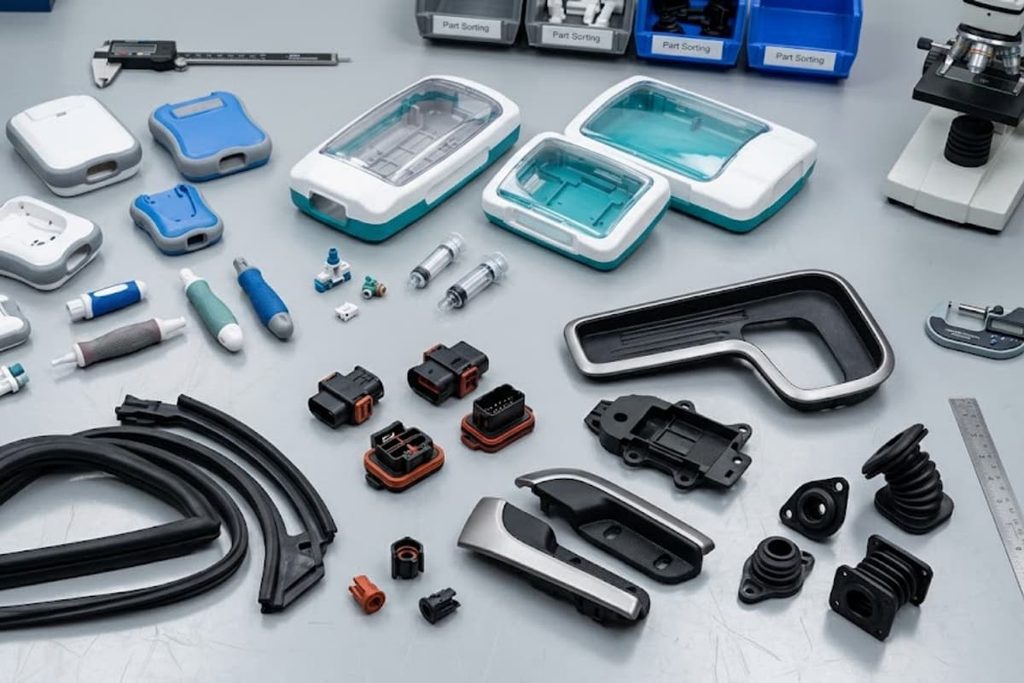
GoodTech’s stated industries pull 2K molding toward predictable patterns. These are trends from its case studies and process notes, not rigid rules — the dominant requirement of the industry leads:
- Medical and lab devices demand documented materials and traceability. GoodTech’s medical injection molding work uses biocompatible resins and clean-process controls under ISO 13485, with material batch tracking and separate storage for medical batches. 2K shows up where a device needs two materials (e.g., a clear window molded to a colored body) in one sealed component.
- Automotive needs heat, chemical, and fatigue resistance. GoodTech cites resin and supplier considerations for the sector under IATF 16949, and its case studies include molded automobile parts and thin-wall cable shielding where sealed or dual-material features earn their cost.
- Consumer electronics prioritize dimensional precision, thin walls, and surface finish. Two-tone enclosures — exactly the kind of part in GoodTech’s injection-molded electrical enclosure case study — are a natural 2K application where looks and fit matter.
- Food equipment needs compliant, cleanable materials and stable geometries. GoodTech works with FDA- and NSF-approved materials, plus RoHS-compliant resins; case studies such as the coffee machine faucet and ozone-generator container show molded parts built for contact and cleanability, where a two-material seal can be molded in one piece.
The takeaway: lead with the industry’s hardest requirement (traceability for medical, thermal/chemical resistance for automotive, precision/finish for electronics, compliance for food), then let the process choice follow — and reserve 2K for parts where the sealed dual-material result is actually required.
The Data Layer: 2K Within the Process Family
Multi-Material Comparison (from GoodTech’s Process Table)
The comparison below is drawn directly from GoodTech’s “Types of Injection Molding” table, the factual backbone for the decision above. Values are directional; confirm specifics with the molder against the actual part.
| Process | Best for | Key design note | Not ideal for |
|---|---|---|---|
| Two-color (2K) molding | Sealed dual-material parts in one cycle | Gate and rotary/transfer tooling design | Simple single-material parts (adds cost) |
| Overmolding | Soft-grip handles, seals bonded to a substrate | Material compatibility and mechanical interlock | Two incompatible, non-bonding resins |
| Insert molding | Metal threads, bushings, contacts molded into plastic | Secure the insert; avoid flow washing it out of position | High-cavitation runs where insert loading slows the cycle |
| Single-material thermoplastic | High-volume rigid/semi-rigid parts in ABS, PC, PA, POM, etc. | Uniform wall thickness, draft on all vertical faces | Very soft or liquid-state materials |
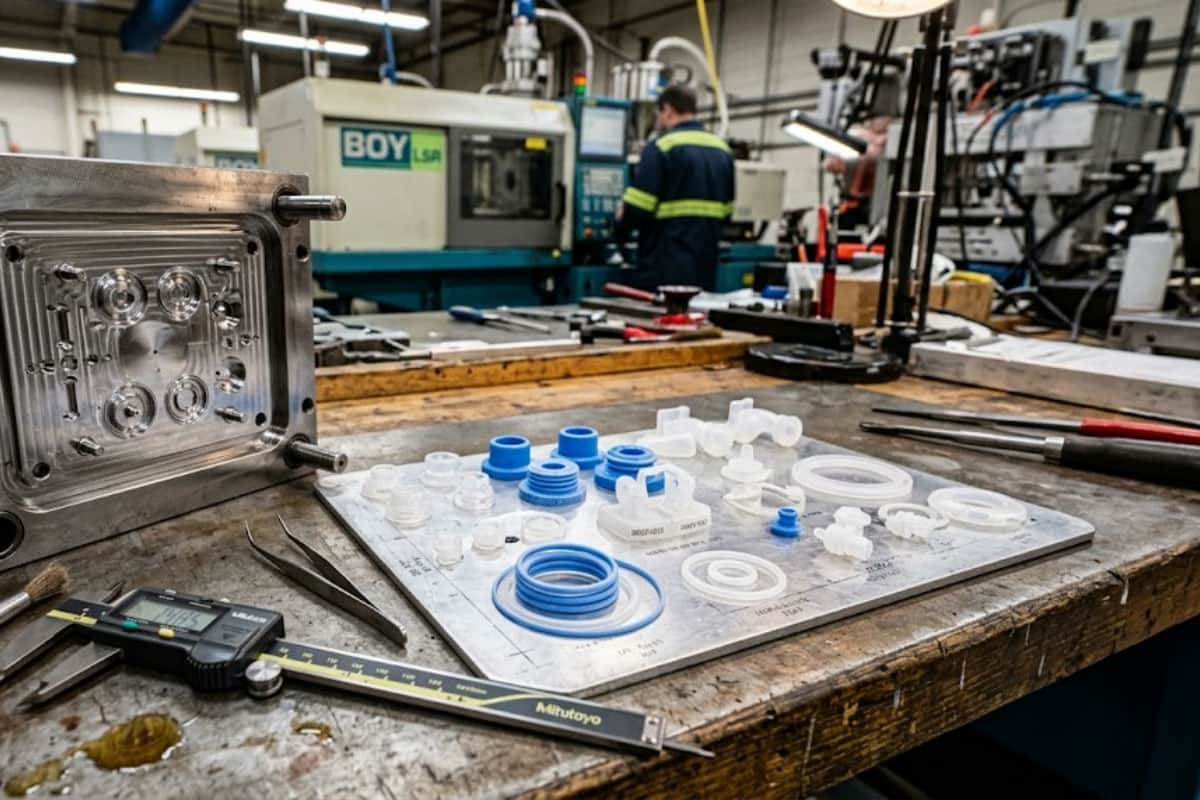
Supporting capabilities that sit under 2K: cold runner and hot runner systems (Mold-Masters, Husky, and Yodo are the popular hot-runner brands on GoodTech tooling), conformal cooling, and high-polish / texture finishes from the mold-fabrication side; plus pad/screen printing, painting/shielding, water-transfer, and thermal-transfer finishing; and CNC machining, reaction injection, molding, and casting under rapid prototyping for pre-tooling validation.
Traps and Counter-Examples
- Use 2K for a single-material part. Rotary/transfer tooling and a second material add cost with no benefit. A standard single-shot run is better when one material suffices.
- Ignore two-resin compatibility. If the two materials cannot bond or interlock, the interface delaminates — require paired, compatible resins and a mechanical interlock where needed.
- Under-design the shutoff and gates. Poor shutoff or gate placement across the two shots causes flash or weak interfaces; gate location still drives weld lines and flow balance.
- Forget uneven shrinkage. Two materials shrink on different curves; uniform walls, balanced fill, and symmetric ribs are mandatory, not optional.
- Skip pre-tooling validation. GoodTech recommends validating geometry with rapid prototyping (CNC, 3D printing, or vacuum casting) before cutting steel — especially for medical and automotive parts with validation needs.
GoodTech’s Scope (What This Guide Doesn’t Cover)
- Service-provider lens. GoodTech is a manufacturing partner, so the framing emphasizes what it can run (2K, overmolding, insert, LSR, mold fabrication) rather than an exhaustive academic treatment of every multi-material process.
- Cost and lead time are confirm-to-quote. GoodTech states tooling cost scales with complexity, size, and cavitation, and per-part cost falls with volume — but exact 2K tooling figures must be confirmed against a specific part, not taken from this guide.
- Tooling decision is separate. This guide covers the process (2K). The tooling decision — silicone vs resin vs aluminum mold, by volume band — is a separate ladder covered in GoodTech’s silicone/resin/aluminum mold guide and should be read alongside it.
- Material values are grade-specific. Shrinkage and mechanical properties vary by resin grade and filler (e.g., glass-fiber or glass-bead reinforcement); confirm the resin data sheet with the molder before locking tolerances.
Key Terms at a Glance
| Term | GoodTech’s usage | Note |
|---|---|---|
| Two-color (2K) molding | Two materials/colors in one sealed part, one cycle | Needs rotary/transfer tooling; adds cost for simple parts |
| Rotary / transfer tooling | The tooling mechanism that presents the first shot to the second | The defining 2K requirement |
| Overmolding | Bonding a second material onto a substrate for grip or sealing | Different from 2K: bonded-on, not molded-in-sequence |
| Insert molding | Placing a rigid component in the mold; plastic forms around it | Different from 2K: an inserted part, not a second molded shot |
| Thermoplastic injection molding | Single-material high-volume molding in ABS, PC, PA, POM, etc. | The default when one material suffices |
| LSR (liquid silicone rubber) | Flexible, heat-stable, biocompatible molding for seals/gaskets | Different tooling and curing than thermoplastics |
| Hot / cold runner | Runner systems delivering melt to the cavity (Husky, Mold-Masters, Yodo hot runners) | Affects cycle, scrap, and part cost |
| Conformal cooling | Cooling channels shaped to the cavity for faster, even cooling | Improves cycle time and warpage control |
| Gate / runner / shutoff | Melt entry point / delivery channel / sealing mold surface | Gate location drives weld lines; shutoff seals the two materials |
| Sink mark / warpage | Surface depression from shrinkage / part twist from uneven shrinkage | Controlled by uniform walls and balanced fill |
| Tonnage | Clamp force, 60–1,000 t on GoodTech’s floor | Matched to part size and material pressure |
Frequently Asked Questions
When should I use two-color (2K) molding instead of overmolding?
Use 2K when you need two materials or colors presented as one sealed component produced in a single cycle with no glue or secondary bonding. Use overmolding when a second plastic or elastomer is bonded onto a molded substrate for grip or sealing. 2K molds both materials in sequence; overmolding bonds a second material onto a first part.
What is the biggest risk in 2K molding?
Tooling cost on the wrong part. 2K requires rotary or transfer tooling and adds cost, so GoodTech notes it is not ideal for simple single-material parts. Reserve it for parts where the sealed dual-material, one-cycle result is actually required.
Do the two materials need to be compatible?
Yes. Both are molded in sequence, so they must share a compatible processing window and bond or interlock at the interface — the same compatibility principle GoodTech applies to overmolding. Incompatible pairs delaminate.
How is 2K different from insert molding?
Insert molding places a rigid component (metal thread, bushing, contact) in the mold and plastic forms around it. 2K molds two plastic materials in sequence in one tool. They solve different jobs: captured rigid part vs. molded-in dual material.
Which industries use 2K at GoodTech?
Medical devices (traceability, biocompatible resins under ISO 13485), automotive (heat/chemical/fatigue resistance under IATF 16949), consumer electronics (precision, thin walls, two-tone enclosures), and food equipment (FDA/NSF-compliant, cleanable materials). The industry’s dominant requirement leads the process choice.
How do I validate a 2K part before tooling?
GoodTech recommends rapid prototyping — CNC machining, 3D printing, or vacuum casting — to confirm fit, function, and assembly before cutting steel, especially where medical or automotive validation applies.
Conclusion
Choosing two-color (2K) molding is a classification problem before it is a comparison problem. Start by asking whether the part needs two materials or colors fused into one sealed piece, molded together in a single cycle — that single question names 2K and separates it from overmolding (bonded-on second material) and insert molding (captured rigid component). Then obey the rules that decide whether 2K pays off: it needs rotary/transfer tooling and deliberate gate and shutoff design, the two resins must be compatible and bond or interlock, and it only earns its cost on parts where the sealed dual-material, one-cycle result is required. Let the industry’s hardest requirement — traceability for medical, thermal and chemical resistance for automotive, precision for electronics, compliance for food — set the priorities, and validate with prototyping before cutting steel.
When your design is ready for a manufacturing review, request a DFM review under NDA and GoodTech’s engineering team will check moldability, suggest tooling and gate strategy, and outline a path from prototype to production across its Chicago, Shenzhen, and Vietnam operations.
If You Only Remember Three Things
- First classify by the integration need — two materials/colors sealed in one cycle (2K), a bonded soft layer (overmolding), or a captured rigid component (insert molding) — that one question picks the process.
- 2K has one non-negotiable economics rule: it needs rotary/transfer tooling and only pays on parts where the sealed dual-material, single-cycle result is real — never specify it for a single-material part.
- Let the industry’s dominant requirement lead — medical traceability, automotive heat/chemical resistance, electronics precision, food compliance — then validate with prototyping before tooling.