
Quick answer: cycle time is driven by the thickest wall in your part — cooling takes 50–70% of every cycle, and cooling time scales with the square of wall thickness. Everything else (injection speed, machine size, robots) fights over the remaining 30–50%. Cut thick sections before the mold is built and you get the savings for free; every lever pulled after the steel is cut costs money.
Cycle time is the clock behind your piece price. When a molder quotes $0.42 a part, that number hides an assumption about how many seconds each shot takes — and if the real cycle runs longer than the quoted one, your price goes up or your delivery slips. So it is worth knowing what actually sets that clock, what each speed-up lever costs, and which ones are free.
1. What Happens in One Cycle?
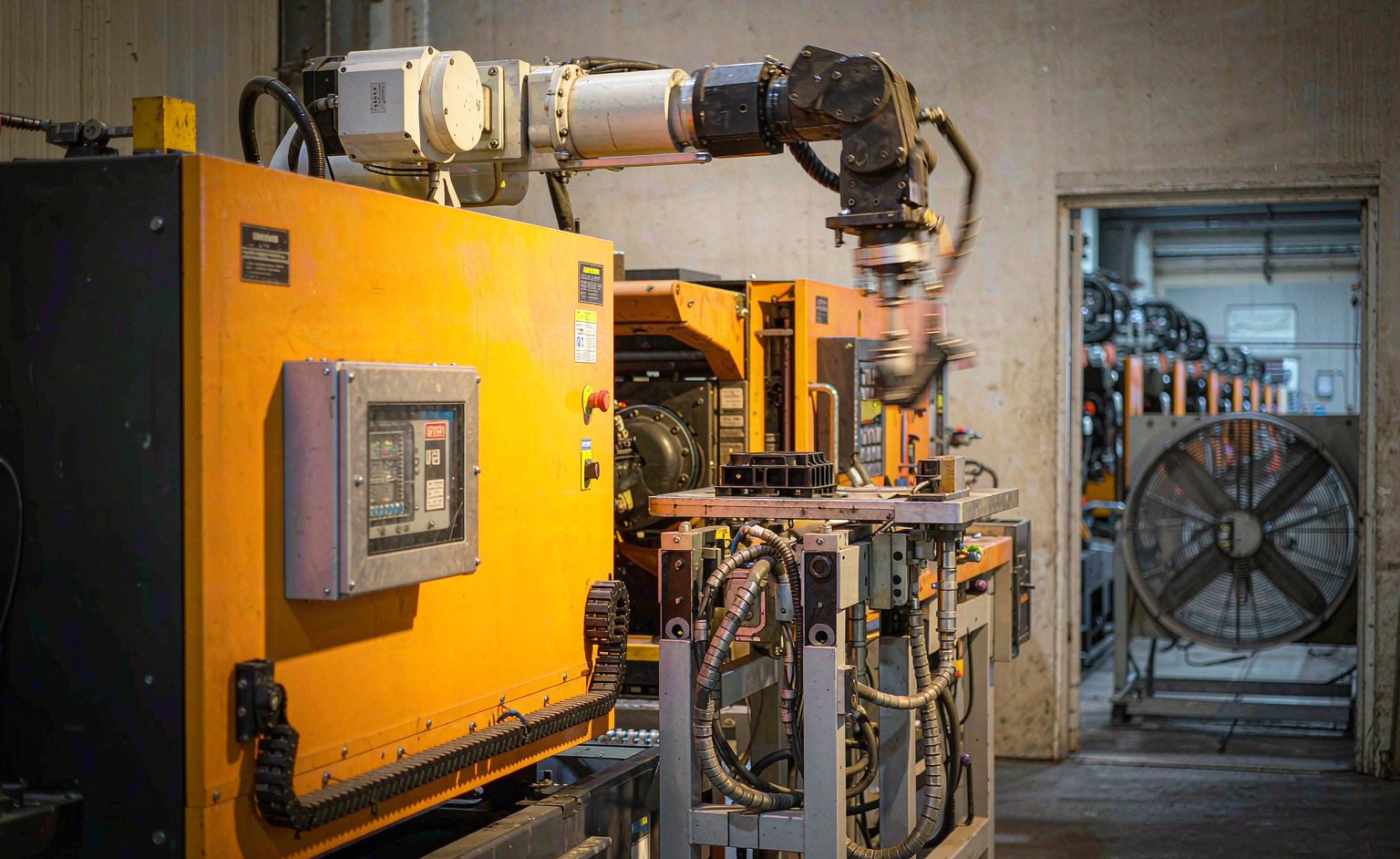
Every shot is the same four phases, in the same order. The percentages below are typical for a mid-size part:
| Phase | Typical time | Share of cycle | What sets it |
|---|---|---|---|
| Fill (injection) | 1–5 s | 5–15% | Part volume, injection speed, number of gates |
| Pack & hold | 3–10 s | 10–20% | Gate size, wall thickness, holding pressure |
| Cooling | 10–40 s | 50–70% | Thickest wall section, mold temperature, coolant flow |
| Open, eject, close | 3–8 s | 10–15% | Machine size, robot takeout, how cleanly the part releases |
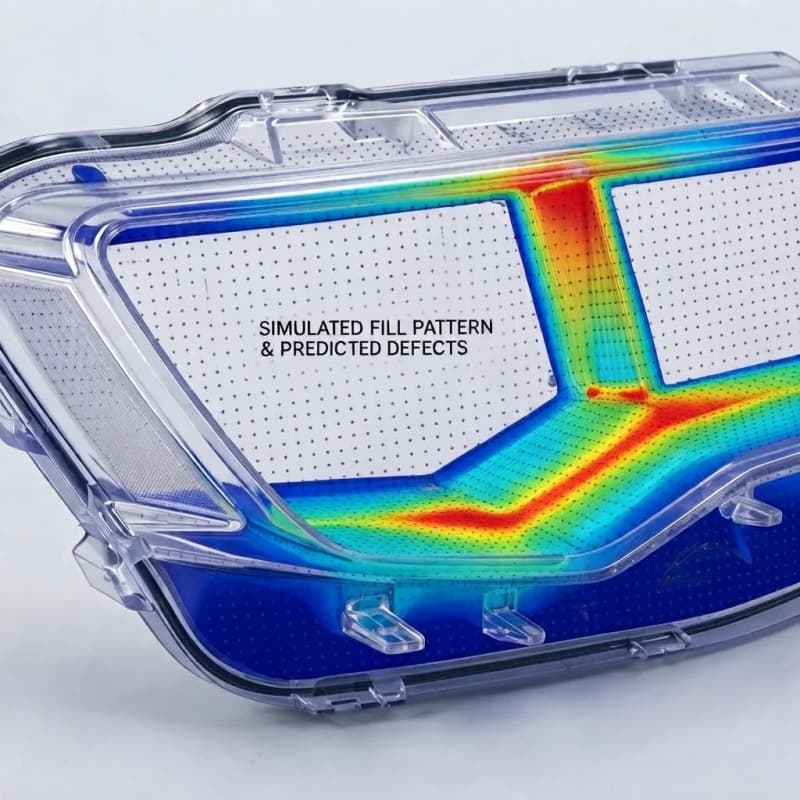
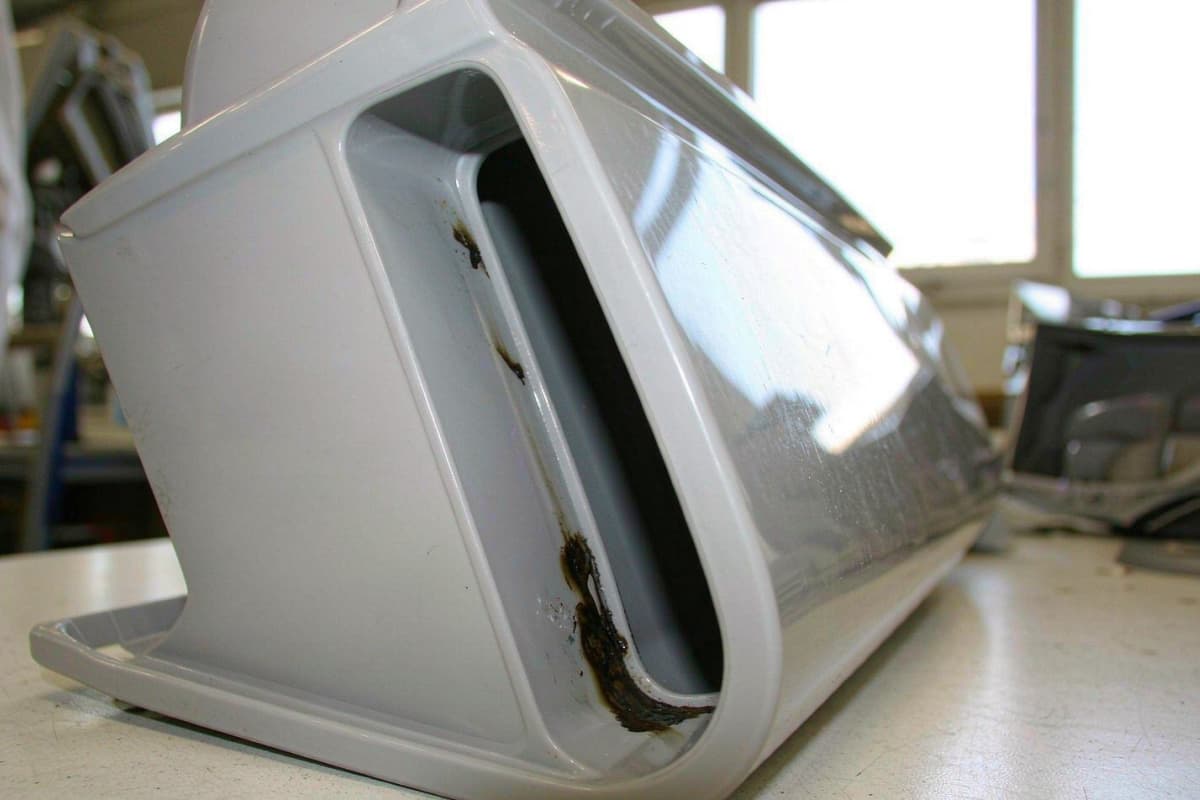
Notice where the weight sits. Plastic is a lousy conductor of heat, so the part cools from the outside in, and the clock runs until the thickest spot is stiff enough to eject. One thick boss can hold the whole part hostage.
2. Why Wall Thickness Sets the Clock
Cooling time scales roughly with the square of the wall thickness. Double the wall, quadruple the wait. A worked example for a PP part:
| Thickest wall | Typical cooling time | What it means at volume |
|---|---|---|
| 1.5 mm | ~8 s | Baseline |
| 2.0 mm | ~14 s | +75% vs 1.5 mm |
| 3.0 mm | ~32 s | More than double the 2.0 mm cycle |
| 4.0 mm | ~56 s | Same part, four times the 2.0 mm cost per shot |
This is why the highest-value conversation you can have with a molder happens before tooling: core out thick bosses, thin down heavy sections, add ribs instead of mass. None of it costs a dollar at the design stage, and all of it shortens the part forever. Our guide to choosing wall thickness and the rib and boss design rules cover the geometry side in detail.
3. The Speed-Up Levers, Ranked by Cost
Once the design is locked, every remaining lever has a price tag. Here they are, cheapest first:
| Lever | Typical saving | What it costs | When it makes sense |
|---|---|---|---|
| Core out thick sections (design change) | 20–40% of cooling | Nothing | Always — before steel is cut |
| Better cooling layout in mold design | 10–20% | Included in a well-designed mold | Ask for it at quoting stage |
| Process tuning (scientific molding) | 5–10% | Engineer time only | Any existing mold |
| BeCu or aluminum inserts in hot spots | 10–25% locally | Hundreds to low thousands | Deep cores, one stubborn thick area |
| Conformal cooling inserts | 20–40% of cooling | $5,000–15,000+ | High volume or geometry drilled lines can’t reach |
| Bigger machine / faster robot takeout | 1–3 s of reset | Capex or retrofit | Only when reset is over ~15% of the cycle |
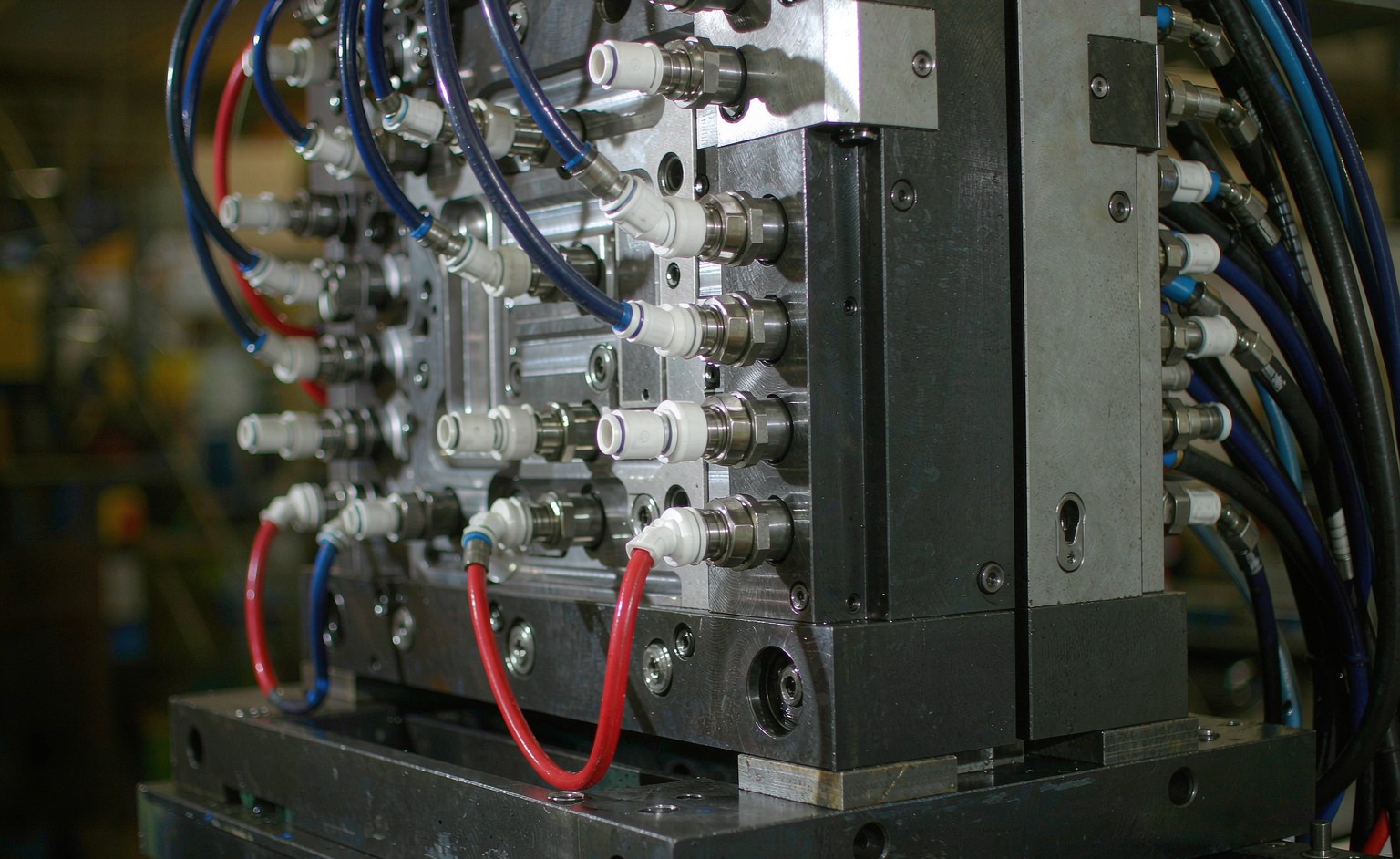
The pattern is obvious: the free levers are design levers, and the expensive levers are ones you buy because the design left you no choice. For the deep dive on the most expensive one, see our conformal cooling vs standard cooling comparison.
4. How Much Does the Material Change the Numbers?
Same geometry, different resin, different clock. Engineering resins run hotter melts and hotter molds, so they simply take longer:
| Resin | Typical total cycle (2 mm wall) | Why |
|---|---|---|
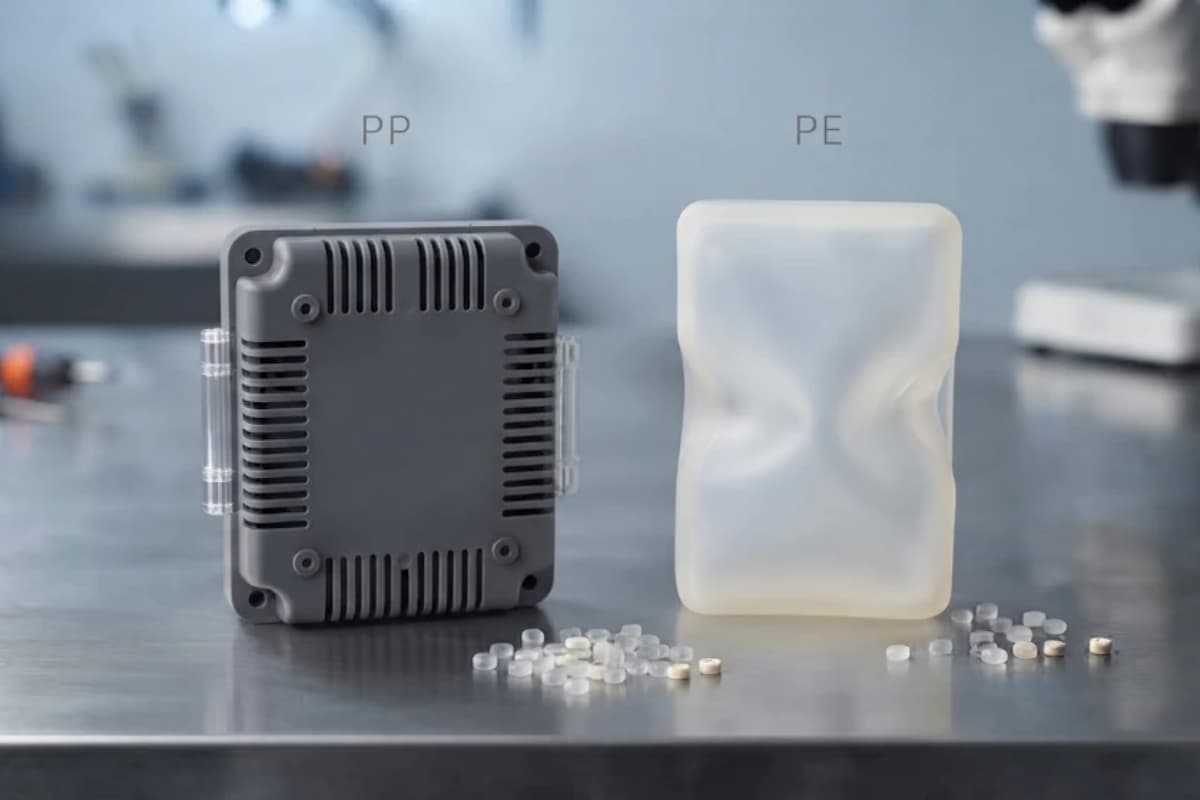
| PP | 10–25 s | Low melt temperature, cools fast, cheap to chill the mold |
| HDPE | 10–30 s | Similar to PP, slightly more shrinkage to manage |
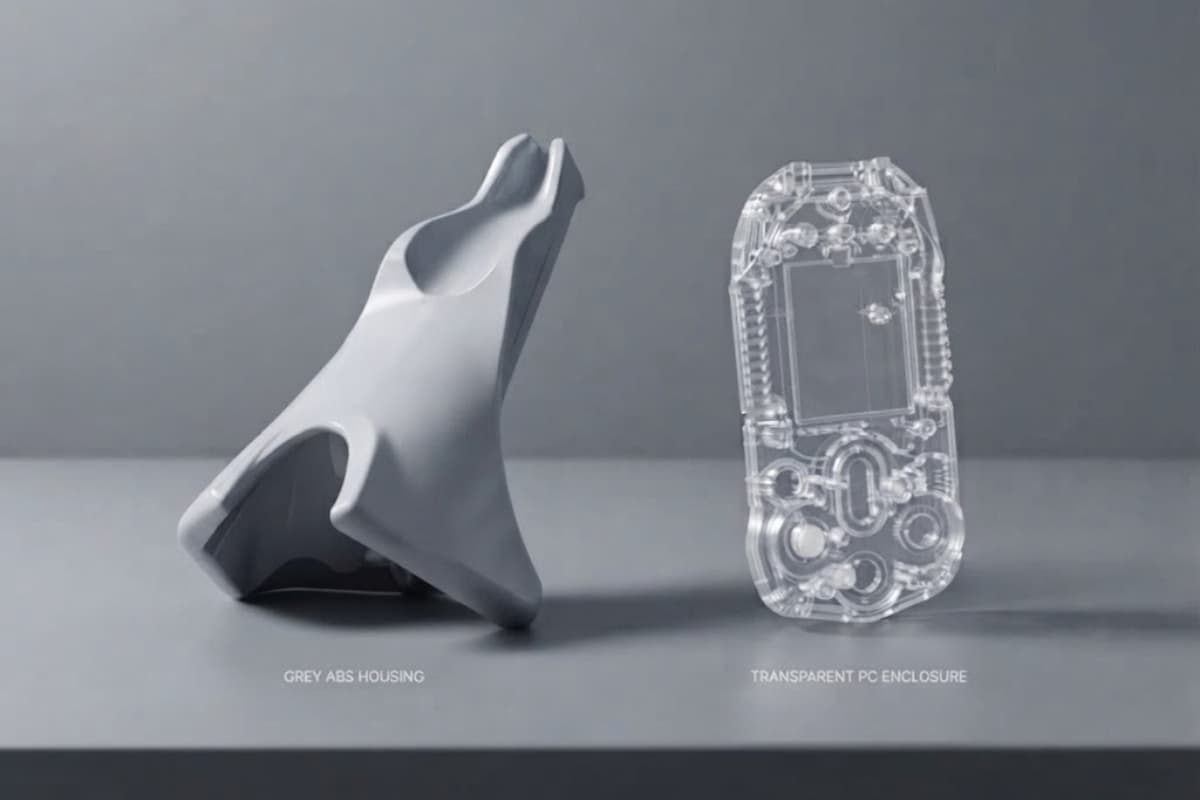
| ABS | 20–40 s | Higher melt temp, amorphous so no crystallization wait |
| PA66 (nylon) | 20–40 s | Crystallizes fast but needs a hot mold for surface finish |
| POM (acetal) | 25–45 s | Thick sections crystallize slowly — a classic cycle trap |
| PC | 30–60 s | Hot melt and a hot mold (80–120 °C) add up |
| Glass-filled PA/PP | 30–60 s | Abrasive and warp-prone; cooling is stretched to control distortion |
Two practical notes. First, switching a filled part from PA66 to a cheaper unfilled resin mid-project is not a swap — the mold steel was sized for one resin’s shrinkage, as we explain in the materials guide. Second, a resin that cycles faster but warps more can cost you more in sorting than it saves in seconds.
5. Where Cycle Time Hides in Your Quote
Buyers rarely see cycle time — but it is baked into every piece price through machine-hour rates. Three questions make the hidden number visible:
- What cycle does your quote assume? Ask every bidder. It normalizes the quotes and exposes optimistic assumptions early.
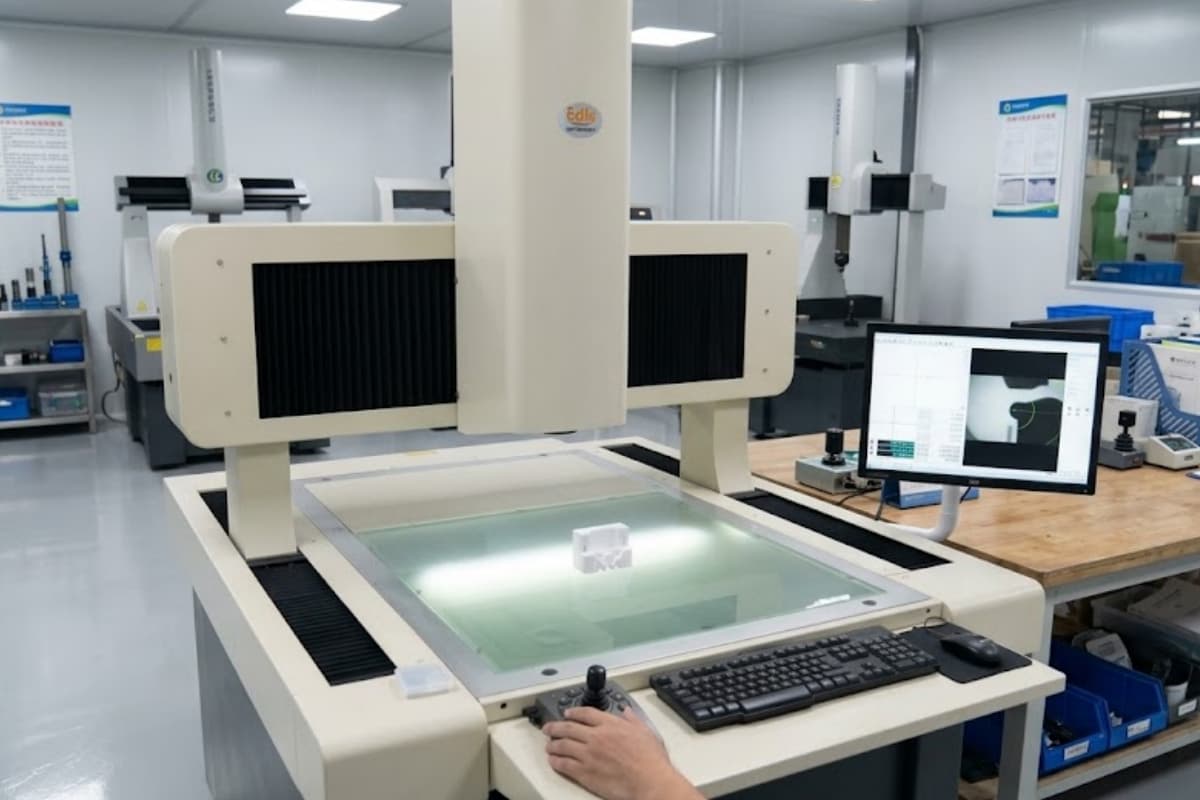
- What cycle did the T1 trial actually demonstrate? If quoted and demonstrated differ, ask what has to change to close the gap.
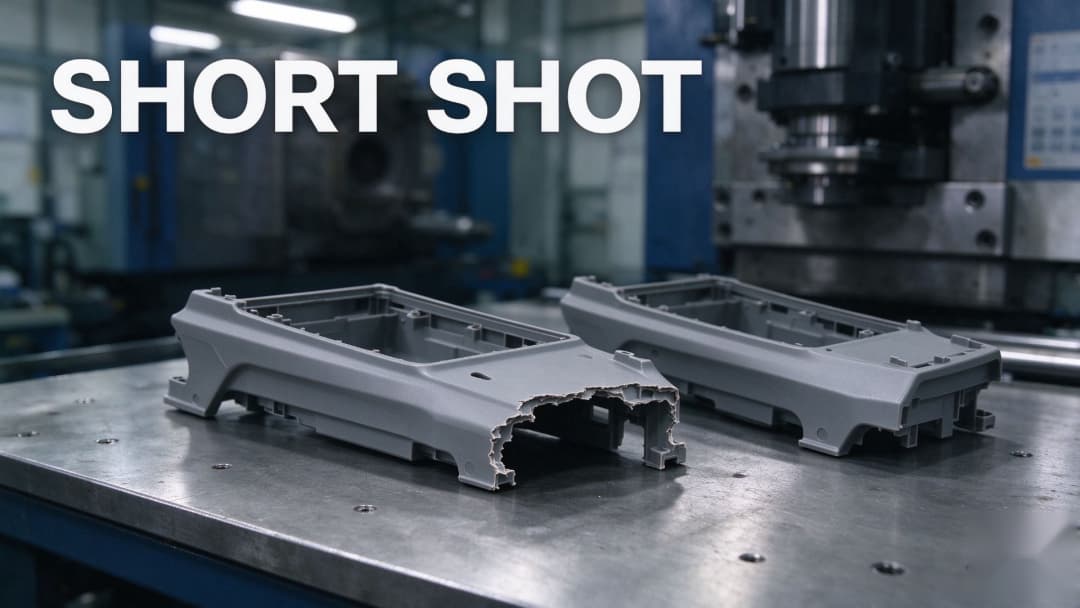
- Is the process stable at that cycle? A molder padding the cycle with safety margins against short shots is telling you the process window is thin.
A cycle 20% above the quoted assumption quietly becomes a delivery bottleneck at peak volume — and the place it usually shows up first is your unit cost. We break down that whole chain in the injection molding cost breakdown guide.
6. When Cutting the Cycle Backfires
The fastest cycle and the best cycle are rarely the same number. Eject parts too hot and they keep shrinking on the bench: dimensions drift out of tolerance, flat parts warp, and your sorting cost climbs. Over-cranked injection speeds bring burn marks, flash, and weld line problems. And cooling aggressively on a glass-filled part is a straight road to warpage, which costs far more to fix than the seconds you saved. Judge every speed-up against the defect rate it creates, not just the seconds it removes.
Frequently Asked Questions: Injection Molding Cycle Time
What is a typical injection molding cycle time?
Most parts run between 15 and 60 seconds. Small, thin PP parts like caps and closures can cycle in 8–15 seconds; thick parts in engineering resin like PC or glass-filled nylon can run 45–60 seconds or more. The spread is mostly wall thickness, not machine speed.
What percentage of the cycle is cooling?
Typically 50–70% for a mid-size part. That is why cooling is the first place to look: a 20% cut in cooling time moves the total cycle far more than shaving fill or reset, which together usually account for less than a quarter of the clock.
What is the injection molding cycle time formula?
There is no single formula, but the part that matters most is cooling time, which scales with the square of the thickest wall section. As a shop-floor rule of thumb for PP, expect roughly 4–6 seconds per millimeter of wall thickness as a baseline: a 2 mm wall at 14 seconds predicts about 32 seconds at 3 mm. Total cycle = fill + pack + cooling + reset. Real numbers depend on mold temperature and resin, so treat formulas as a starting point and confirm at T1.
How long does injection molding take?
Two different clocks. Per part, a cycle runs 15–60 seconds, so a mold producing thousands of shots per day makes parts by the hour. Per project, expect 4–12 weeks from purchase order to mass production: 2–5 days of DFM review, 1–2 weeks of mold design, 3–6 weeks of tooling, then T1 trials and any steel-safe corrections. If a supplier quotes you a piece price, ask what cycle it assumes — that is where the two clocks meet.
Does faster injection speed shorten the cycle?
Barely. Fill is only 5–15% of the cycle, so even doubling injection speed saves a couple of seconds — and overspeeding brings shear burn, flash, and gas traps that slow the process back down. Cooling dominates, so that is where the real seconds live.
How can I reduce cycle time without hurting quality?
In order: core out thick sections and unify walls while the design is still open (free), insist on a proper cooling layout in mold design (cheap), tune the process scientifically (cheap), and only then consider conformal cooling or machine upgrades (expensive). Measure every change against defect rate, not just cycle seconds.
Related Reading
- What Is the Best Wall Thickness for Injection Molded Plastic Parts?
- Conformal Cooling vs. Standard Cooling: Is It Worth It?
- Precision Injection Moulding Cost Breakdown
- How to Design Ribs and Bosses: DFM Rules
- Common Injection Molding Defects: Causes and Prevention
- Injection Molding Warpage: Causes and Prevention
Want a cycle time estimate you can actually hold a supplier to? Send us the STEP file, the resin, and your annual volume. Our engineers will give you a realistic cycle assumption up front — and quote your custom injection molding project on numbers we can demonstrate at T1.