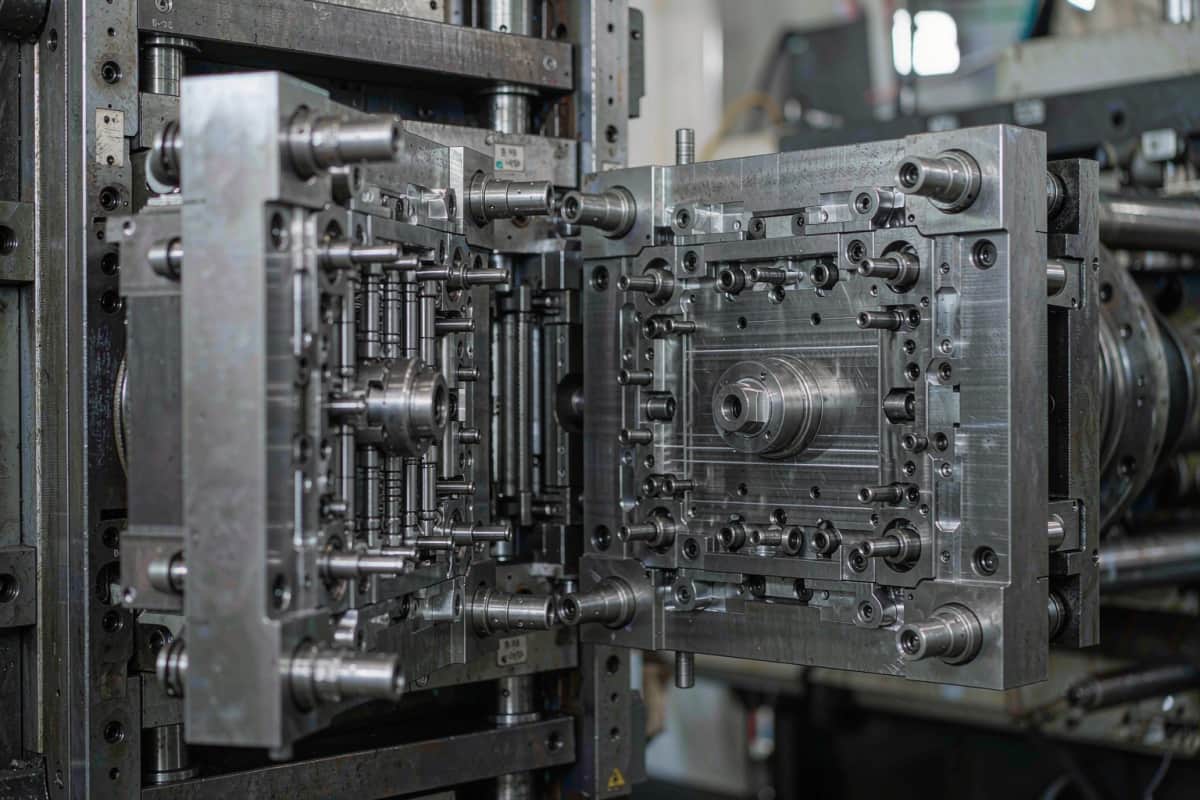

Choosing between a silicone vs resin vs aluminum mold comes down to one question: how many parts do you need, and at what stage of validation? Silicone tooling wins for under ~25 form-fit prototypes, resin (epoxy) tooling fits tens to a few hundred functional urethane parts, and aluminum tooling carries low-to-mid volume production into the thousands. The three are not interchangeable — silicone molds belong to vacuum casting, while resin and aluminum molds are hard tooling used in reaction injection molding (RIM). This guide breaks down what each mold is made of, how many parts it can produce, what it costs, and which products it should be used for, so you can move from prototype to production without overpaying for tooling you will outgrow or under-investing in tooling that fails mid-run.
Before committing to a mold, most engineering teams validate the design through structured prototyping. Our overview of why companies build prototypes before molds explains the cost logic behind that step, and our rapid prototyping services page covers the complementary CNC, 3D printing, and casting routes.
Silicone Molds Belong to Vacuum Casting, Not RIM
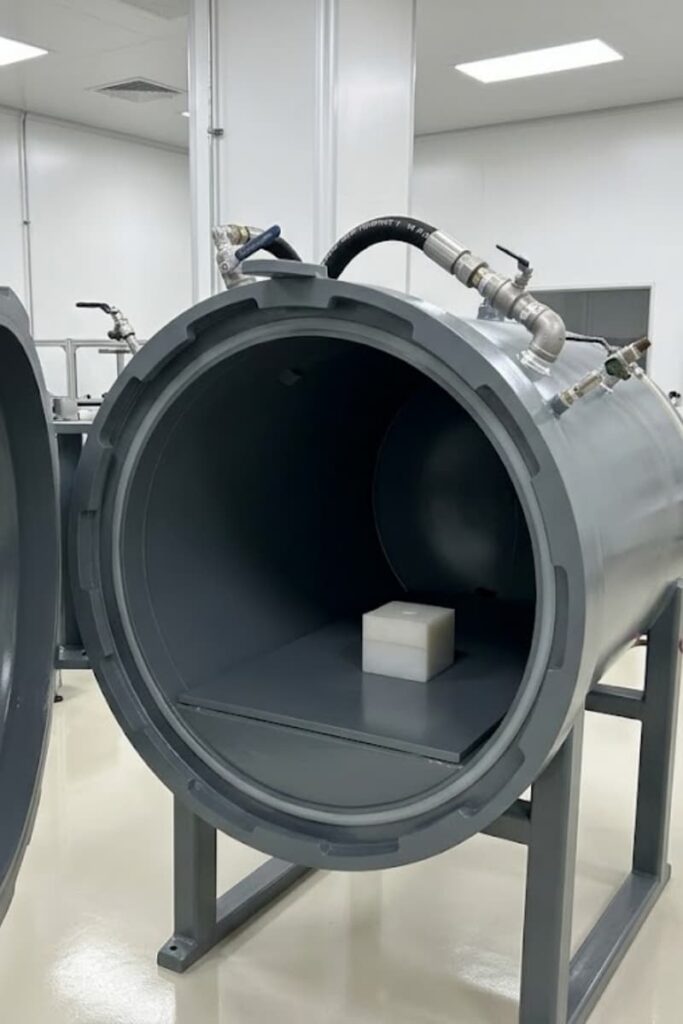
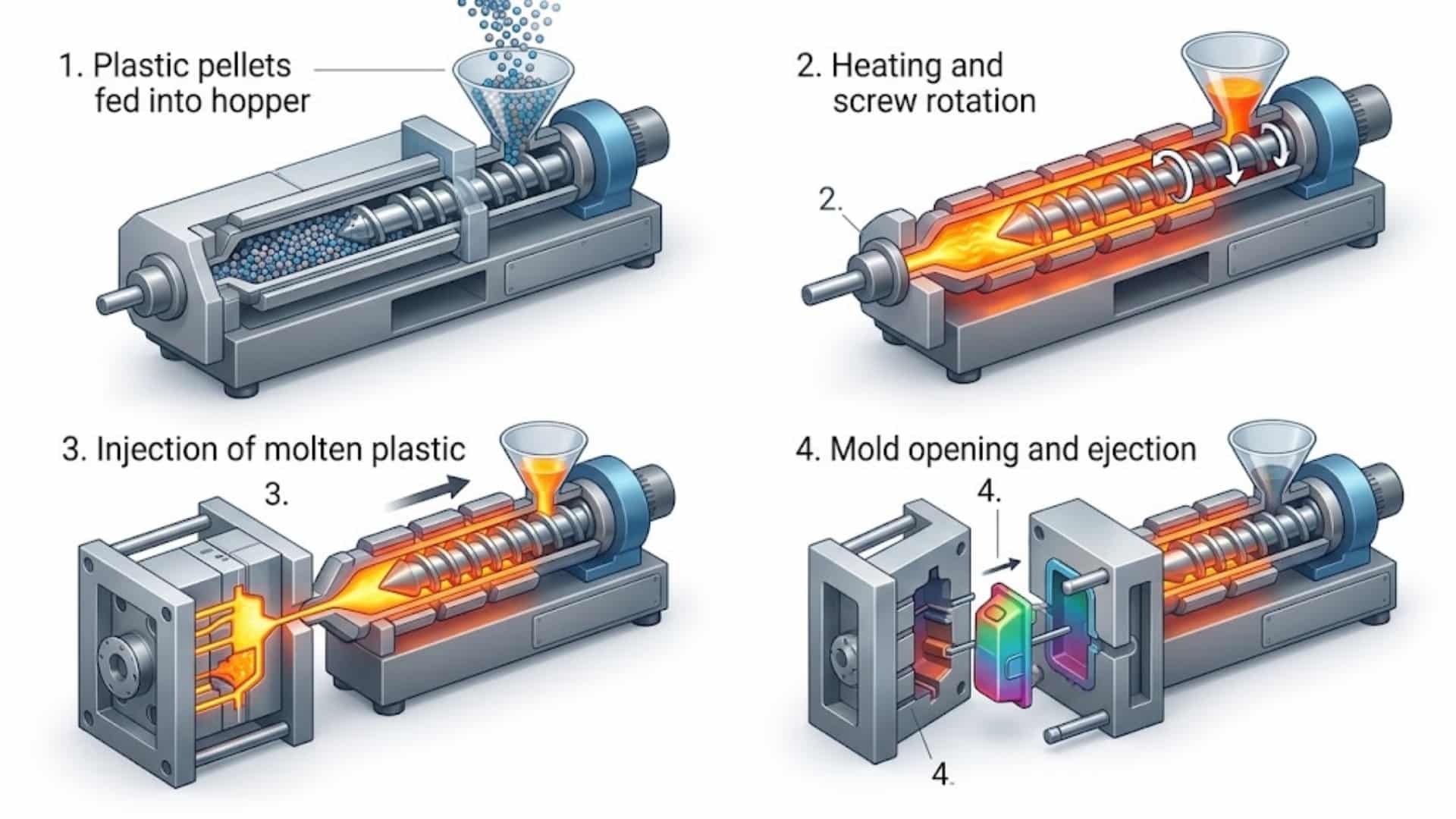
A common source of confusion is the term mold itself. In rim molding, the liquid polyurethane reactants are injected under pressure into a rigid cavity and chemically cure into a solid part. That cavity must be a hard tool — typically aluminum, epoxy resin, or steel — because the exothermic reaction and injection pressure would destroy a flexible mold. A silicone mold is a soft mold used in vacuum casting, where degassed resin is poured (not injected under pressure) into a silicone cavity under vacuum. The chemistry and forces are different, so a silicone mold is not a RIM mold, even though both produce plastic-looking parts.
| Mold type | Process family | Mold is hard or soft | Typical driving process |
|---|---|---|---|
| Silicone mold | Vacuum casting | Soft | Pour/cast under vacuum |
| Resin (epoxy) mold | RIM / cast resin tooling | Hard | Low-pressure injection |
| Aluminum mold | RIM / production tooling | Hard | Low-pressure injection |
The reason the three get discussed together is practical: a single product program often uses silicone tooling first for visual prototypes, then resin tooling for functional RIM trials, then aluminum tooling for the production ramp. Our RIM process page and the RIM vs. injection molding comparison explain where RIM sits relative to higher-volume steel tooling.
Where Rim Molding Fits in Your Prototype-to-Production Path
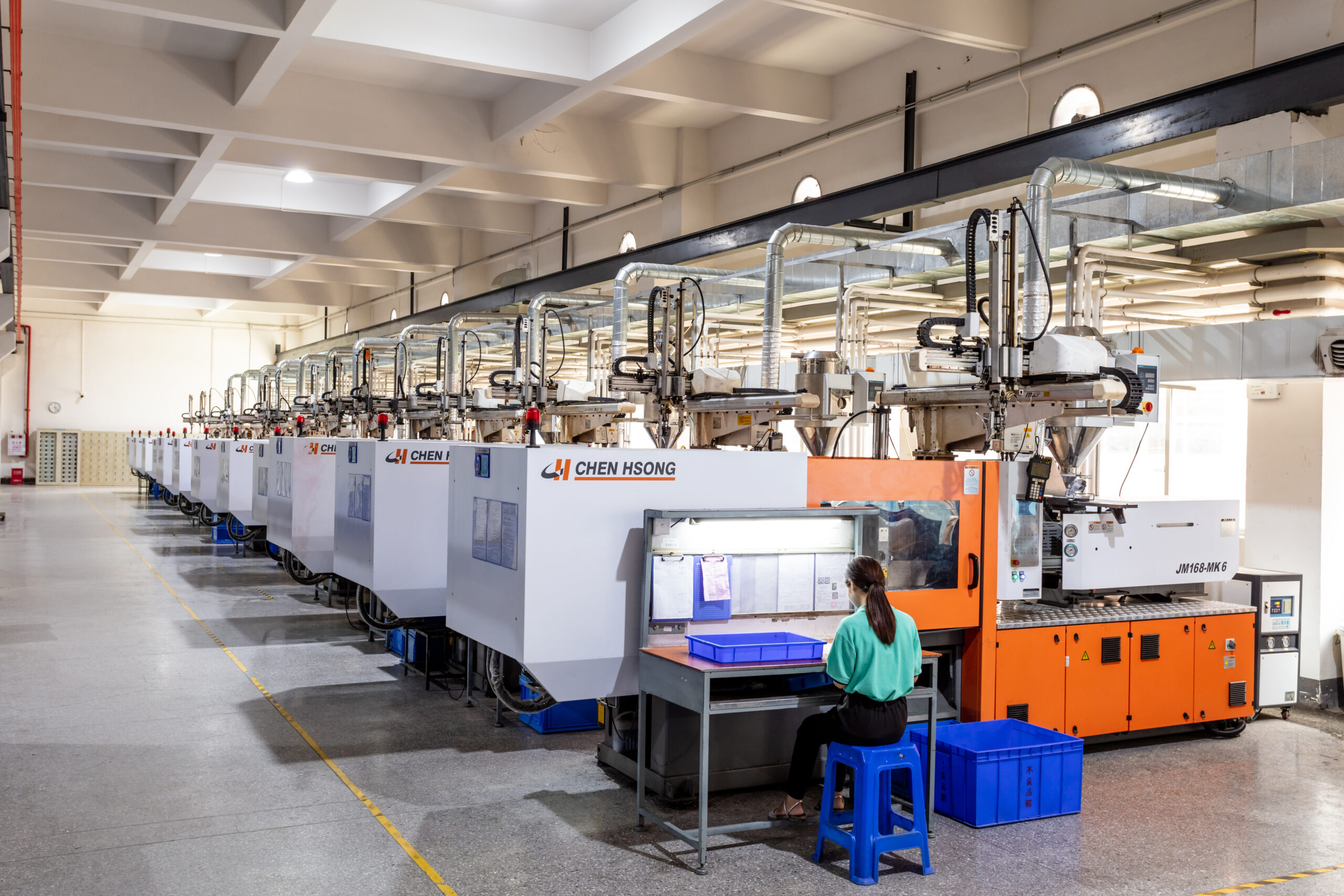
Rim molding is the process that makes resin and aluminum tooling worth building. Once a program moves past visual prototypes and needs functional polyurethane parts — large housings, enclosures, panels, or cushioned components — rim molding produces them from a hard mold at low injection pressure, which is precisely why resin and aluminum molds exist as RIM tooling in the first place. Silicone molds sit outside this process; they serve the earlier vacuum-casting stage. The practical sequence is therefore: validate the shape with a silicone vacuum casting mold, prove the function with a resin RIM mold, then scale with an aluminum RIM mold. If the question is whether rim molding applies to your project at all, the answer is yes once part size or volume makes steel injection molding uneconomical and casting alone cannot meet the functional or cosmetic bar. Our RIM service page details the production setup.
The Three Mold Types at a Glance
All three fall under the umbrella of rapid tooling — tooling built fast and cheaply to bridge the gap between prototyping and full production steel molds. The differences are in mold material, part count before failure, surface detail, and lead time.
| Attribute | Silicone mold | Resin (epoxy) mold | Aluminum mold |
|---|---|---|---|
| Process | Vacuum casting | RIM (low-pressure) | RIM (low-pressure) |
| Typical part life | ~15–25 casts | Tens to a few hundred | Several thousand |
| Typical tool cost band* | $100–800 | $300–2,000 | $2,000–8,000 |
| Typical lead time* | 3–7 days | 1–2 weeks | 2–4 weeks |
| Dimensional stability | Limited by shrinkage | Good for prototypes | Production-grade |
| Best volume range | <25 parts | 25–500 parts | 500–several thousand |
| Main limitation | Heat/shelf life | Lower durability vs metal | Higher front cost |
*Figures reflect commonly cited industry ranges for low-complexity parts and should be confirmed against a specific supplier quote. GoodTech tooling prices depend on part geometry, size, and material.
Silicone Molds: Best for Form-Fit Prototypes and Market-Testing Runs
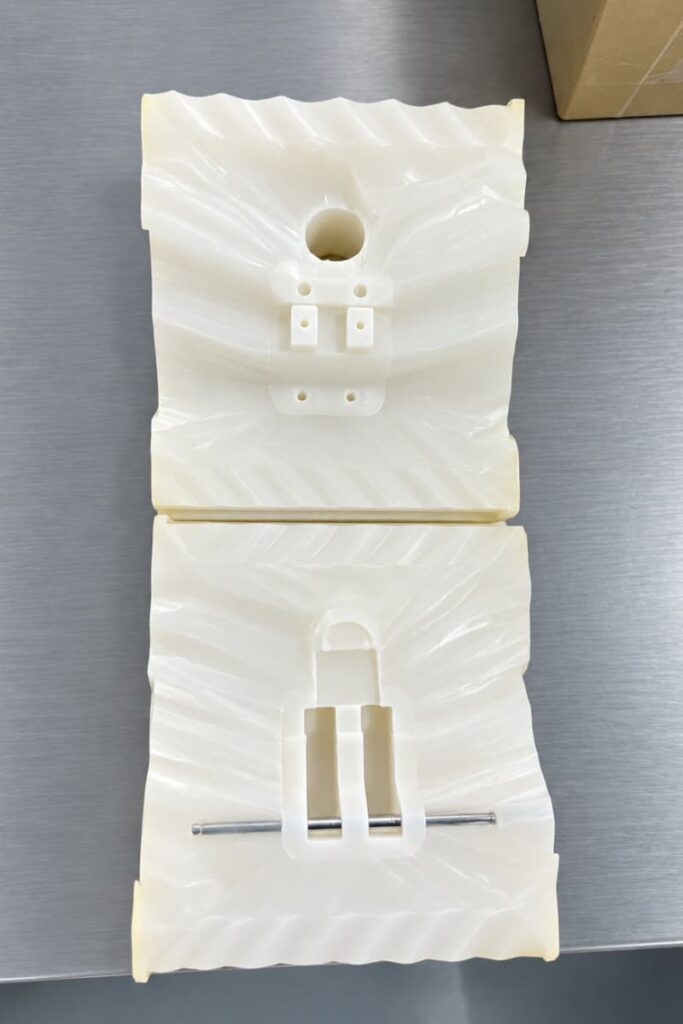
A vacuum casting mold is built by pouring liquid silicone around a master pattern (usually a CNC or 3D-printed master), then curing it and cutting it open to remove the master. The resulting soft cavity reproduces fine surface detail from the master and is used to cast polyurethane or epoxy resin parts under vacuum.
What it suits:
- Visual and form-fit prototypes for design reviews and photography
- Small market-test batches (trade-show samples, crowdfunding units, sales demos)
- Parts where color and surface texture matter more than tight tolerances
- Soft-touch or overmolded-looking parts made from cast elastomers
What it does not suit:
- Production runs beyond roughly 25 parts (the mold degrades and dimensions drift)
- High-temperature or chemically aggressive parts (silicone degrades and shrinks over time)
- Structural parts requiring repeatable, tight tolerances
For programs that need casting alongside other prototype methods, our rapid prototyping services page covers how vacuum casting fits with CNC and 3D printing.
Resin (Epoxy) Molds: The RIM Bridge Tool for Tens to Low-Hundreds of Functional Parts
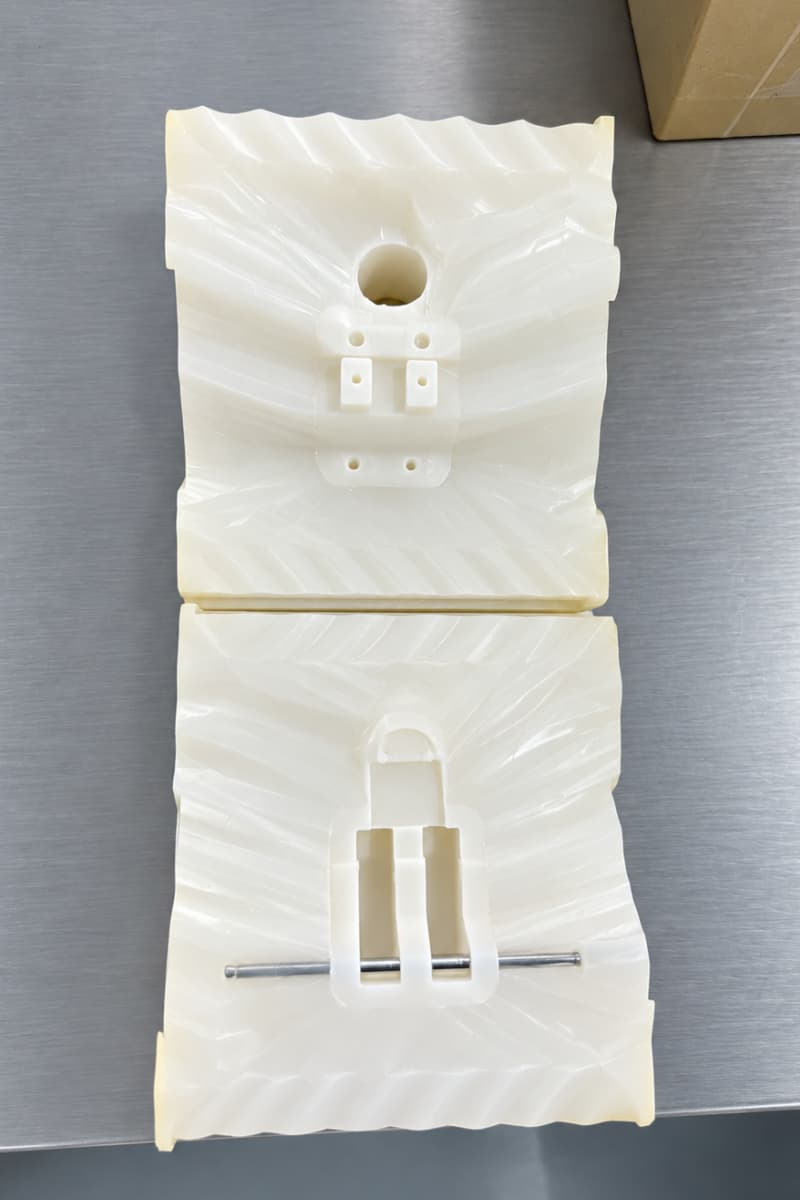
A resin mold — more precisely an epoxy or cast-urethane master copy tool — is a hard cavity produced by casting resin against a master pattern. In the context of rim molding, it lets you run actual low-pressure RIM shots of polyurethane using tooling that costs a fraction of machined aluminum and is ready in about one to two weeks. This makes it the standard bridge tool when you have passed the visual-prototype stage but are not yet ready to commit to aluminum.
What it suits:
- Functional RIM trials of tens to a few hundred parts
- Testing real urethane material properties (flexure, impact, skin-foam) before aluminum
- Large, lightweight, or low-volume panels and housings where steel tooling is unjustified
- Bridge production that must look and perform like the eventual aluminum-tooled part
Material matters here: the part chemistry is set by your RIM resin system, not the mold. Our RIM materials guide explains how the part material is selected independently of the mold material, and our full RIM process guide covers design rules for resin-tooled parts.
Aluminum Molds: The Production-Grade Choice for Low-to-Mid Volume RIM
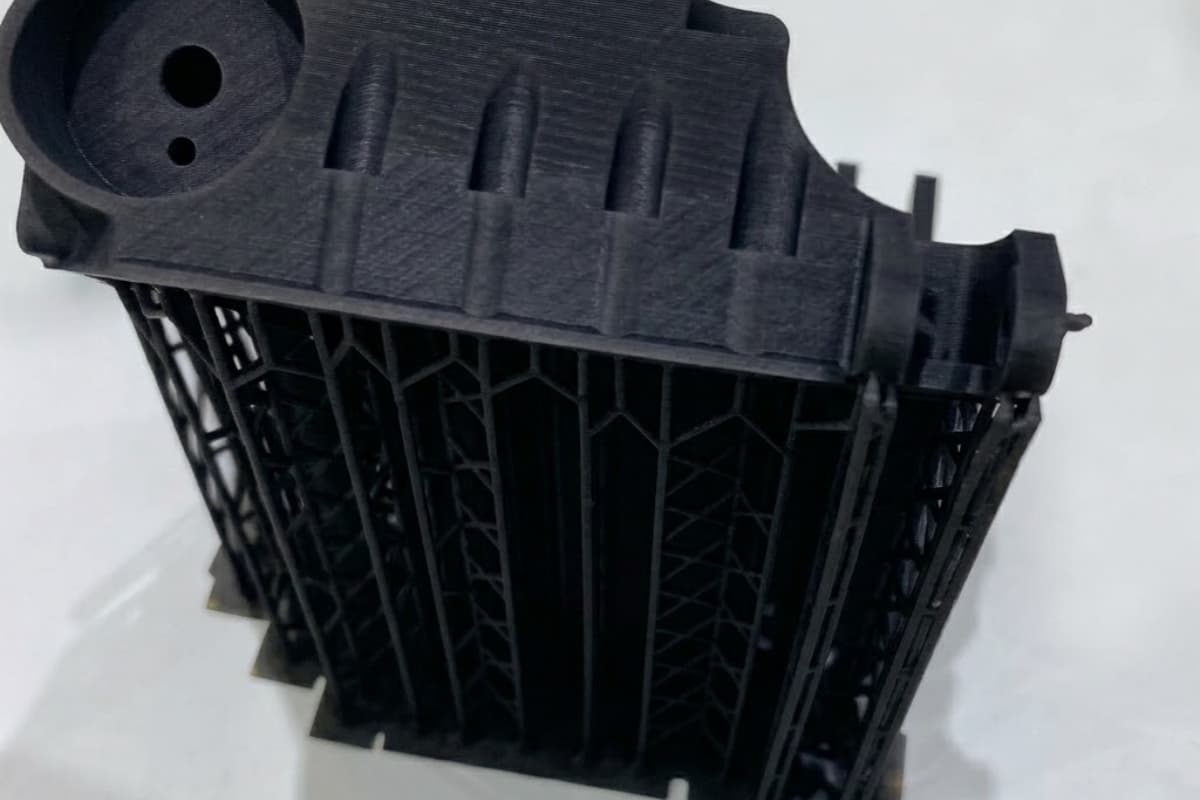
An aluminum mold is the workhorse of low-to-mid volume RIM. It is CNC-machined, handles the injection pressure and exotherm of RIM chemistry, and typically produces several thousand parts before wear becomes a concern. Compared with the steel molds used in conventional injection molding, aluminum RIM tooling reaches production far faster and at a much lower cost, which is why it dominates the 500-to-several-thousand-parts band.
What it suits:
- Low-to-mid volume production runs (hundreds to a few thousand parts)
- Large, complex, or cosmetic parts where dimensional control and surface finish must hold
- Programs that need repeatable, documented quality across the run
- Parts where the same tool will be reused for repeat orders
If your decision is specifically aluminum versus steel, our aluminum vs. steel rapid tooling comparison lays out the trade-offs in cost, lead time, and volume. Our plastic mold fabrication page describes how the molds themselves are built, and the RIM service page explains the production offering end to end.
Application Matrix: Which Mold for Which Product and Volume
The fastest way to choose is to match the product type and target quantity to the tool.
| Product example | Target volume | Recommended mold | Why |
|---|---|---|---|
| Enclosure prototype for design review | <20 | Silicone (vacuum casting) | Cheapest, fastest, fine surface |
| Medical cart body panel trial | 25–200 | Resin (epoxy) RIM | Real urethane, functional testing |
| Medical device housing, low volume | 200–2,000 | Aluminum RIM | Repeatable quality, documented |
| Automotive interior trim, pre-series | 100–1,000 | Aluminum RIM | Cosmetic + durable, fast to tool |
| Consumer electronics shell, pilot lot | 50–500 | Resin then aluminum | Bridge then ramp |
| Large industrial cover, hundreds | 500+ | Aluminum RIM | Long tool life, stable dims |
Industry pages expand on these contexts: medical device molding, automotive plastic molding, and consumer electronics molding detail the qualification and tolerance expectations per sector.
Decision Framework: When to Stay, When to Upgrade
Use quantity as the primary switch, then confirm with part complexity and timeline.
Step 1 — Count your needed parts.
- Under ~25: silicone tooling is enough.
- 25–500: resin (epoxy) RIM tooling.
- 500 to several thousand: aluminum RIM tooling.
Step 2 — Check the part’s job.
- If it only needs to look right for a review, silicone is fine.
- If it must function in real material and hold tolerance, move to resin or aluminum.
- If it ships to customers repeatedly, aluminum.
Step 3 — Watch the break-even.
The cost per part drops as tool life rises. Spending more on aluminum up front is usually cheaper than recasting silicone or resin molds multiple times once volume climbs past a few hundred. Our low- vs. high-volume molding guide frames where that break-even tends to land.
The mental model is a ladder: rapid tooling (silicone) → bridge tooling (resin) → production tooling (aluminum). Stay on a rung until volume or quality requirements push you up.
Cost & Lead Time Reality Check
Tool price is only half the equation. The total cost per part equals tool amortization plus per-part material and labor. A cheap silicone mold that you must replace every 20 parts becomes expensive at 200 units; an aluminum mold that costs more up front but yields thousands of parts is cheaper per unit once volume justifies it.
| Scenario (illustrative) | Tool cost* | Good for | Watch out for |
|---|---|---|---|
| 15 sample parts | Silicone $100–800 | Design validation | Not repeatable |
| 150 functional parts | Resin $300–2,000 | Bridge run | Tool life caps the run |
| 2,000 production parts | Aluminum $2,000–8,000 | Ramp/production | Higher entry cost |
*Industry-typical bands; confirm with a quote. Our precision molding cost breakdown and tooling-cost reduction guide go deeper on the cost drivers if you are building a business case.
How GoodTech Supports Your Prototype-to-Production Path
GoodTech runs the full chain under one roof: vacuum casting with silicone tooling, RIM with resin and aluminum tooling, and in-house mold fabrication. That continuity matters because the same part can move from a silicone-cast prototype to a resin-tooled RIM trial to an aluminum production tool without re-sourcing. Teams in Chicago, Shenzhen, and our Vietnam facility coordinate DFM feedback early, so the mold you choose at each stage is positioned to feed the next. The RIM service page, vacuum casting page, and mold fabrication page describe each capability in detail.
Conclusion
The mold decision is a volume decision first. Silicone tooling is the right call for a handful of visual prototypes; resin (epoxy) tooling is the bridge for tens to a few hundred functional rim molding parts; aluminum tooling is the production answer from several hundred into the thousands. Silicone molds belong to vacuum casting, not RIM, so they should be chosen for what they are best at — fast, cheap, low-count casting — rather than treated as a substitute for hard RIM tooling. Match the tool to your quantity and quality requirement, and move up the ladder only when the volume justifies it.
Key Takeaways
- Silicone, resin, and aluminum molds serve different volume bands: <25, 25–500, and 500+ parts respectively.
- Silicone molds are vacuum casting tools; resin and aluminum molds are hard RIM tooling.
- Resin (epoxy) molds are the standard bridge between prototype and production RIM.
- Aluminum RIM tooling offers the best per-part cost once volume justifies the higher entry price.
- Choose the tool by quantity first, then by functional and cosmetic requirements.
- Total cost per part, not tool price alone, should drive the decision.
FAQ
How many parts can you make from a silicone mold?
A silicone vacuum casting mold typically yields about 15–25 good casts before dimensional drift and degradation make replacement necessary. The exact count depends on part size, wall thickness, and resin temperature. For anything beyond that range, a resin or aluminum mold is the more economical choice.
Why can’t a silicone mold be used for RIM?
RIM injects reactive liquid urethane into the cavity under pressure, and the chemical cure releases heat. A silicone mold is soft and cannot contain that pressure or survive the exotherm, so it belongs to vacuum casting, where resin is poured (not injected) under vacuum. Resin and aluminum hard tooling are used for RIM.
When should I move from silicone to aluminum tooling?
Move off silicone once you need more than about 25 consistent parts, or any part that must hold tight tolerances and real material properties. Move to aluminum specifically when volume reaches several hundred parts and per-part cost, not just tool cost, becomes the deciding factor.
What is the difference in lifespan between a resin mold and an aluminum mold?
A resin (epoxy) RIM mold generally handles tens to a few hundred parts, while an aluminum RIM mold typically produces several thousand. The gap is why resin is a bridge tool and aluminum is the production tool.
Which mold is best for a medical device prototype?
For early form-fit review, a silicone vacuum casting mold is usually sufficient and fastest. Once the device needs functional urethane parts for testing or a low-volume production lot, resin or aluminum RIM tooling is the appropriate step up, depending on the required quantity.
What does low-volume production molding cost?
Tooling bands commonly cited in the industry run roughly $100–800 for silicone, $300–2,000 for resin, and $2,000–8,000 for aluminum RIM molds, with lead times from days to a few weeks. These are typical ranges and must be confirmed against a specific part quote.
Start Your Prototype-to-Production Project With GoodTech
If you are planning to make a medical cart panel, an automotive interior component, a consumer electronics enclosure, a large industrial cover, or any other low-to-mid volume urethane part, the mold you choose will set your cost and lead time before the first unit is produced. GoodTech offers silicone vacuum casting, resin and aluminum RIM tooling, and in-house mold fabrication from a single source, so your part can move from prototype to production without changing suppliers. Send us your CAD file and target volume, and our engineering team will recommend the right tooling path — silicone, resin, or aluminum — with a DFM review and a quote matched to your stage.