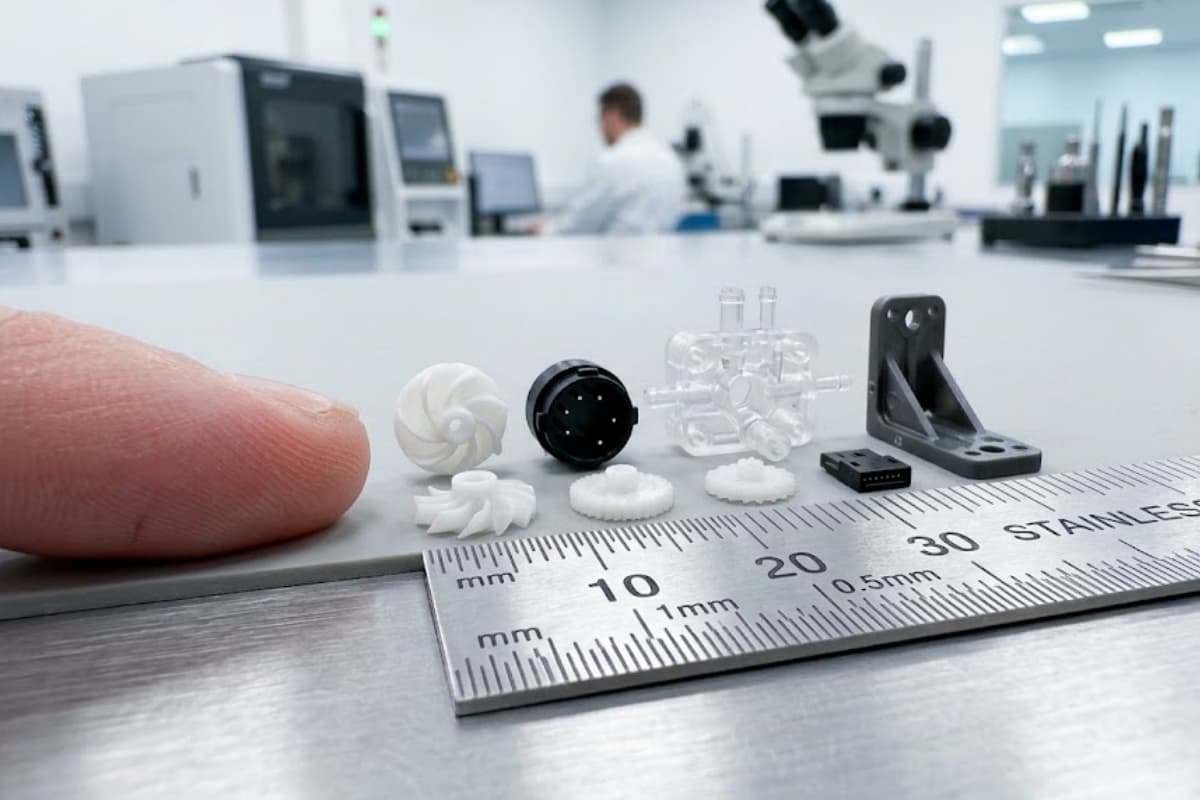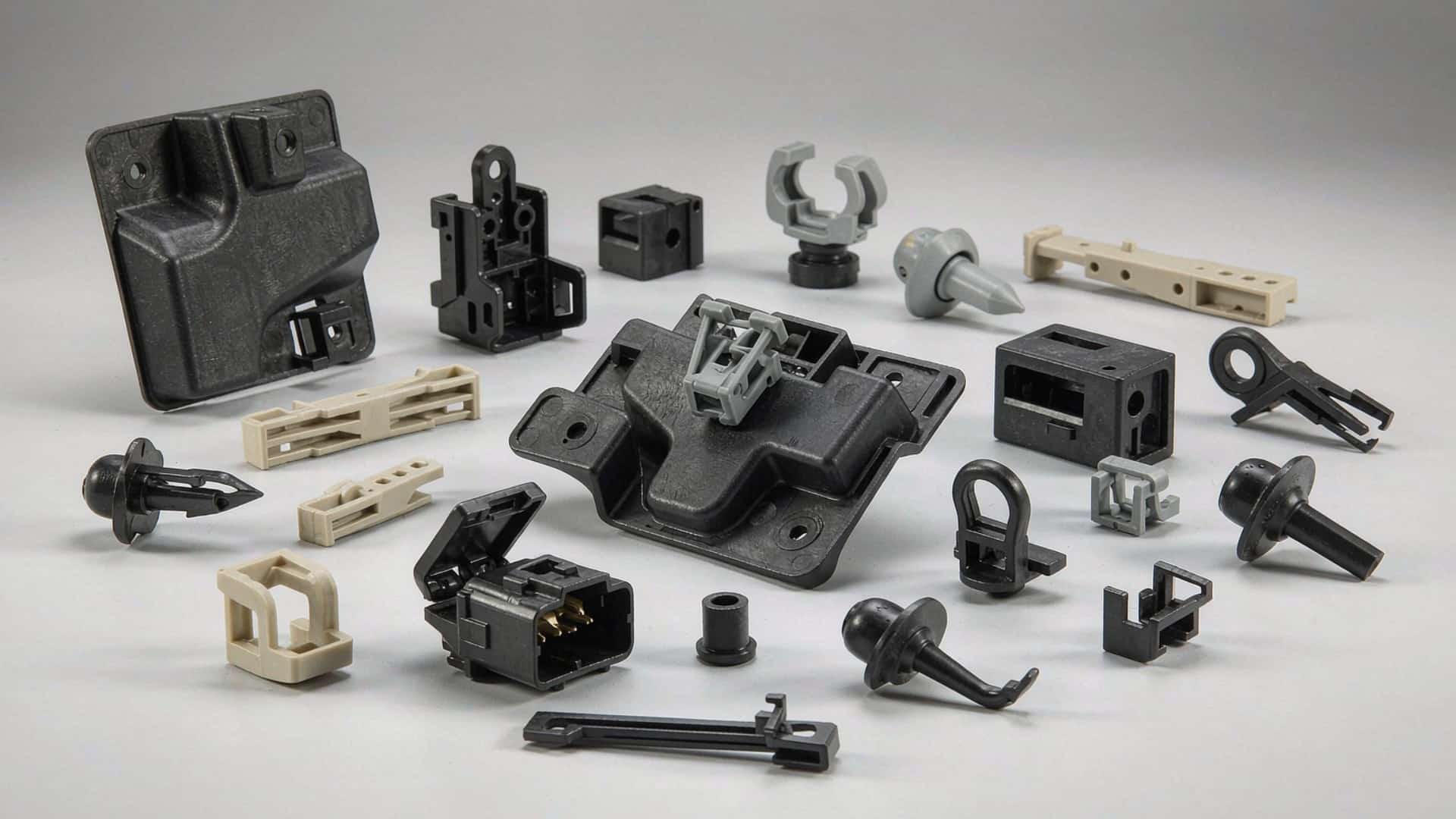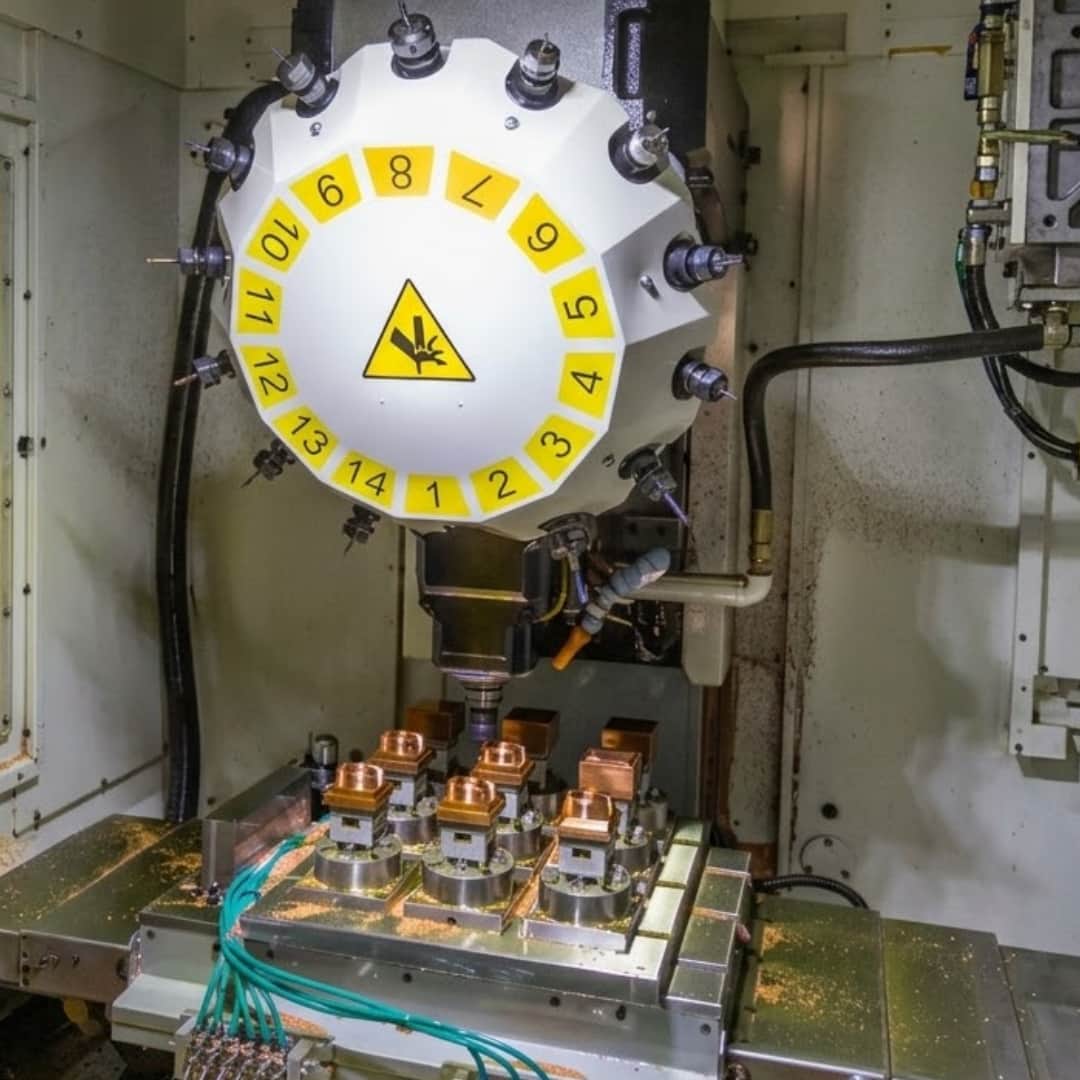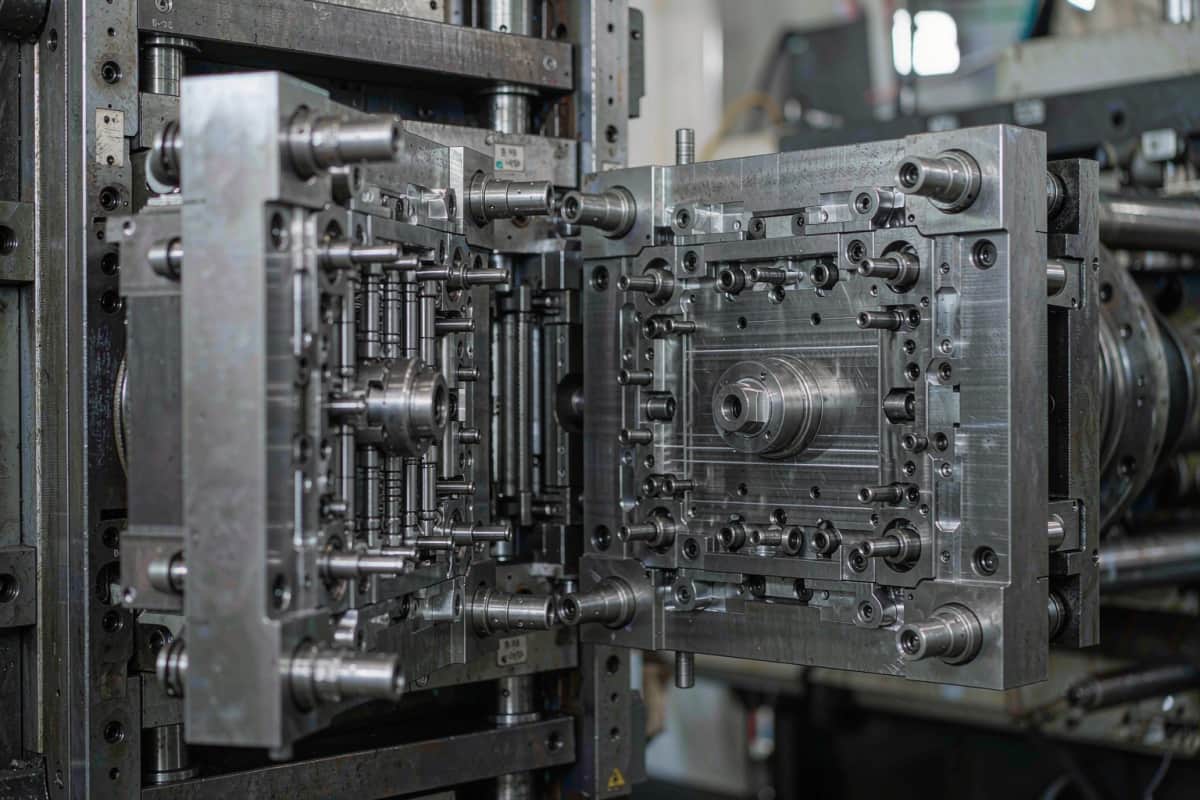

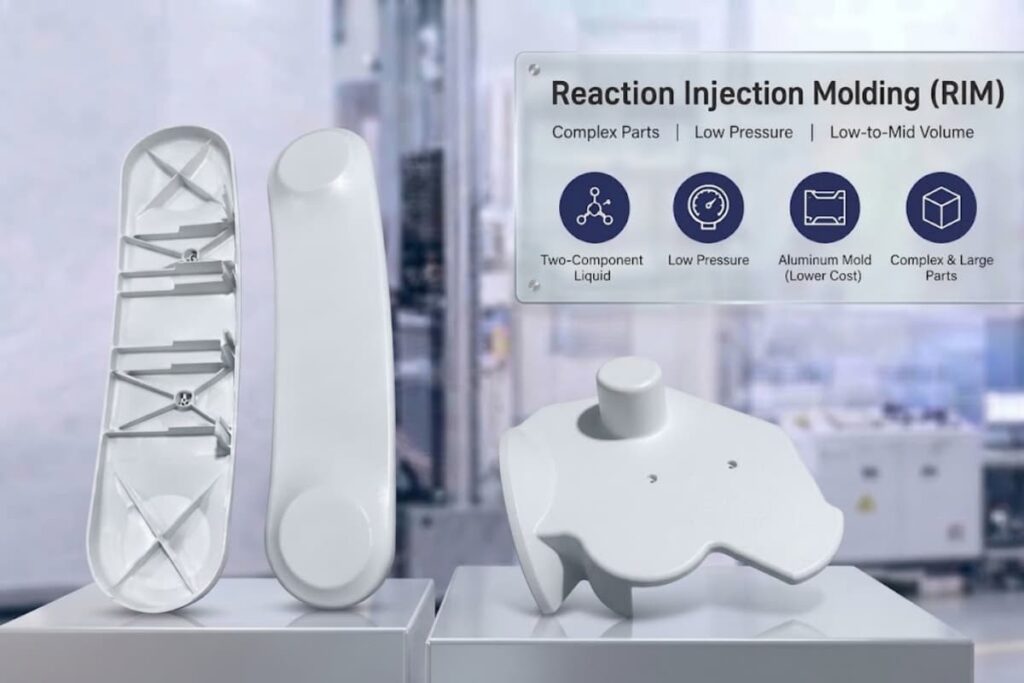
Direct answer: Reaction injection molding (RIM) is a low-pressure molding process that mixes two liquid reactive components inside an aluminum mold, where they chemically cure into a solid part. It fits best when you need large, complex, or low-volume plastic parts where standard plastic injection molding tooling would be too costly or 3D printing would be too slow and expensive per unit. This guide explains how RIM works, the design rules that keep parts moldable, how it compares with injection molding and 3D printing, and when to specify it for your project.
What Is Reaction Injection Molding?
Reaction injection molding is a manufacturing process that builds a part from two liquid reactive materials — typically a polyol (resin) and an isocyanate (hardener) — metered and mixed just before they enter the mold. Rather than melting a solid plastic and forcing it through a steel tool at high pressure, RIM fills a low-cost aluminum or composite mold at low pressure and near room temperature. The liquids react in the cavity, generate heat, and cure into a solid, often foam-cored component.
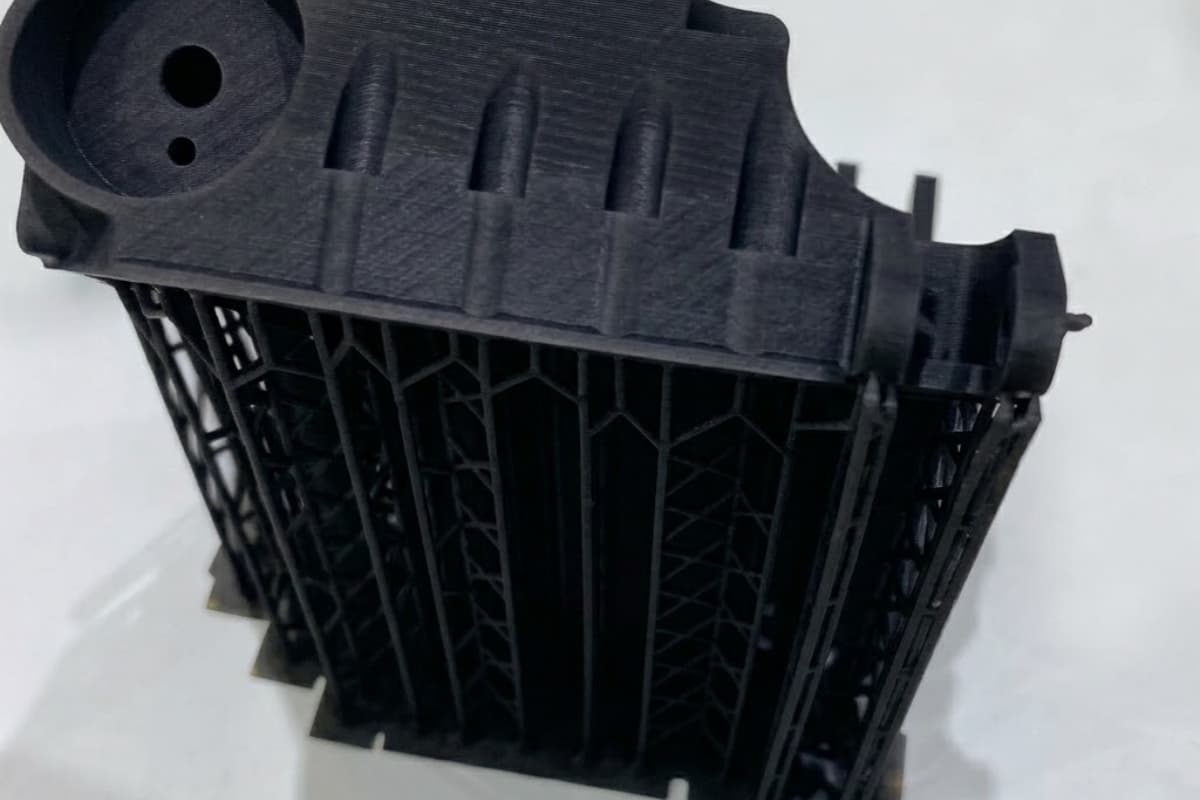
The result is a part with a high strength-to-weight ratio, good surface finish straight from the mold, and the freedom to include large undercuts, varying wall thicknesses, and integrated features that are difficult or impossible in many other processes. GoodTech offers RIM as part of its rapid prototyping and low-volume production services, commonly for medical, automotive, and consumer-electronics parts.
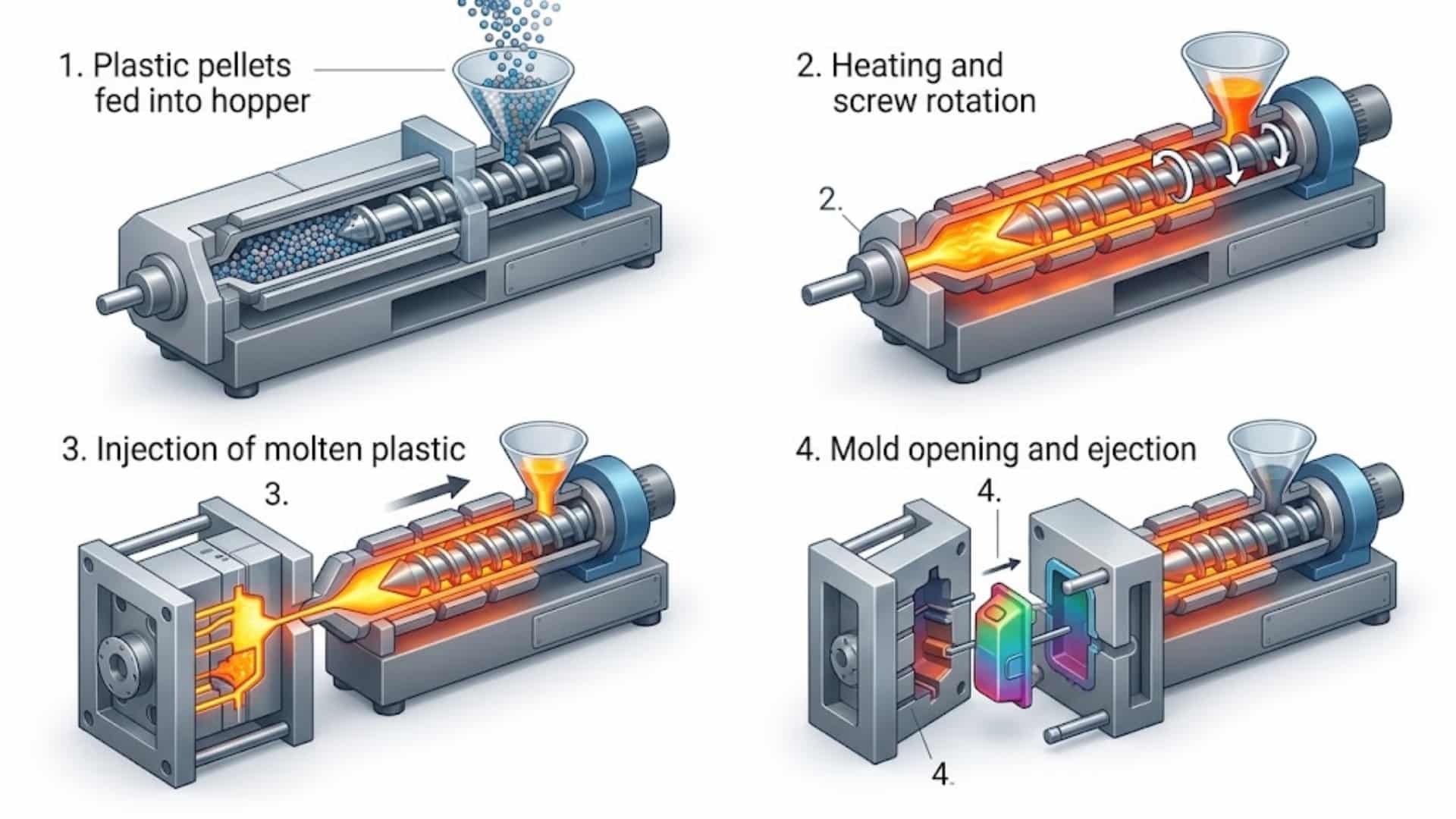
RIM vs. Injection Molding: Key Differences
| Aspect | Reaction Injection Molding | Plastic Injection Molding |
|---|---|---|
| Material form | Two liquid reactive components that cure chemically | Solid thermoplastic pellet melted and re-solidified |
| Process pressure | Low pressure, near room temperature, no mold cooling required | High pressure and high temperature |
| Tooling | Aluminum or composite molds, lower cost and faster to build | Steel molds, higher cost and longer to build |
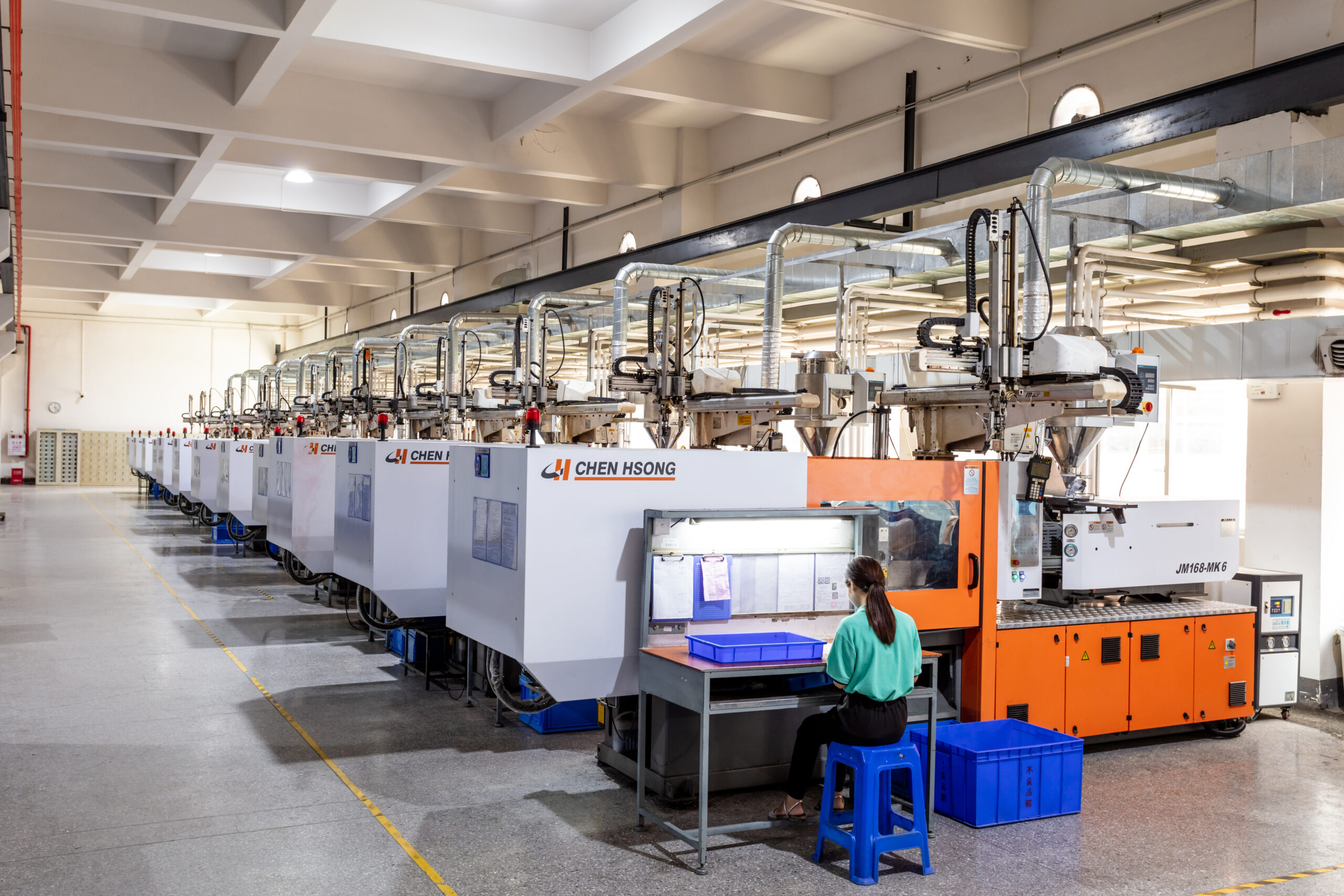
| Best production volume | Prototyping and low-to-mid volume runs | High-volume production |
| Tooling lead time | Short | Longer |
| Part character | Large, complex, variable wall sections | Consistent, high-volume precision parts |
The practical takeaway: RIM trades the per-part economy of high-volume injection molding for much lower upfront tooling cost and faster turnaround, which is why it is often the right call for prototypes and lower-volume programs.
RIM vs. 3D Printing and Vacuum Casting
RIM is not the only route to a few finished-looking parts. Use the comparison below to narrow the field:
- 3D printing excels at geometry verification and very small quantities, with almost no design restriction, but per-part cost stays high and mechanical properties differ from production parts.
- Vacuum casting produces polyurethane copies from a silicone mold built around a master pattern — good for a handful of units, less so as quantities climb.
- RIM lands between them: it delivers production-like material properties and surface finish at low-to-mid volumes, with unit cost that drops below CNC machining or 3D printing as quantities rise.
How the RIM Process Works
A typical RIM cycle follows five steps:
- Metering and mixing — The two liquid components are measured in the correct ratio and combined in a mixing head.
- Low-pressure injection — The mixed liquid is injected into the aluminum mold at low pressure.
- In-mold reaction — The materials exothermically react and cure, filling fine features and complex geometry.
- Demolding — Once cured, the part is removed; aluminum tooling allows short cycle times.
- Finishing — Parts may be painted, printed, coated, or textured depending on the application.
Because the mold is usually aluminum and runs at low pressure without a cooling system, tooling is cheaper and faster to produce than a steel injection mold. GoodTech’s plastic mold fabrication team builds the tooling that supports this process.
Materials Used in RIM
Common RIM material families include:
- Polyurethane systems — the most widely used, tunable from soft elastomers to rigid structural grades.
- Epoxy-based systems — good dimensional stability and heat resistance for specific applications.
- Nylon-based systems (e.g., nylon 6 type) — tough, sometimes recyclable after molding.
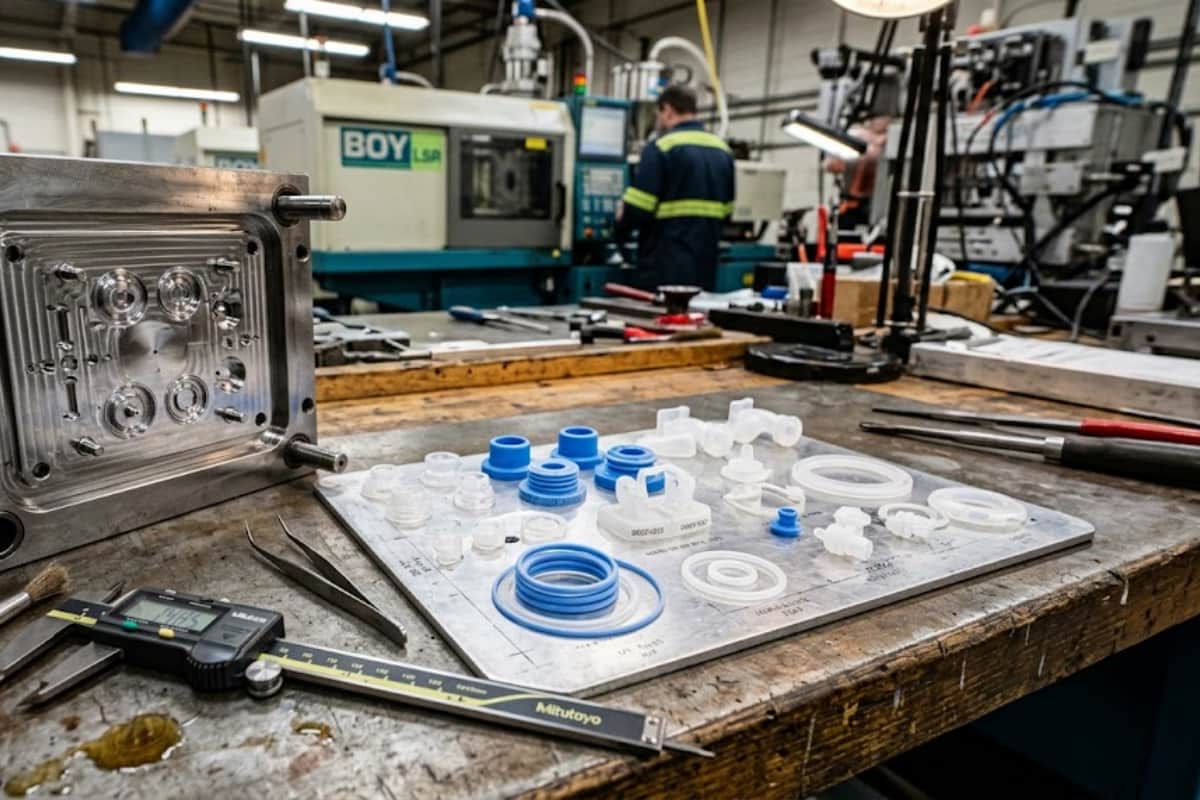
- Silicone / liquid silicone rubber (LSR) — high temperature and chemical resistance, biocompatible grades available.
- Polyester-based systems — cost-effective options where properties can be tuned by formulation.
Material selection depends on the end-use environment, required stiffness, temperature exposure, and cosmetic needs, so the choice should be confirmed against the application rather than assumed.
RIM Variants: SRIM and RRIM
Two common variants extend the base process:
- Structural RIM (SRIM) — reinforcing material such as glass or carbon fiber mat is placed in the mold before injection, producing very stiff, strong parts for structural applications.
- Reinforced RIM (RRIM) — filler or short fibers are mixed into the liquid components, improving stiffness, dimensional stability, and wear resistance.
Both variants matter when a part must carry load or resist deformation, not just look the part.
RIM Design Guidelines (DFM)
RIM is forgiving on complex geometry, but a few design rules protect part quality and tool life.
Wall Thickness, Radii, and Draft
Keep wall sections as uniform as practical to avoid uneven curing and sink. Use generous fillet radii at corners and transitions to let the liquid flow and reduce stress concentration. Apply a small draft angle on vertical faces so the part releases from the aluminum mold cleanly.
Ribs, Bosses, and Undercuts
Ribs and bosses stiffen parts without thick solid sections. Undercuts that would be impossible in a simple steel injection tool are often achievable in RIM because of the low-pressure aluminum tooling — but each undercut should be reviewed for mold construction and demolding.
Inserts and Foam Cores
Metal inserts can be placed in the mold before injection to become permanently molded-in features. A contained gas or blowing agent can produce a foam core inside a solid skin, lowering weight while keeping a cosmetic surface.
When Should You Choose RIM? (Decision Framework)
Use the table below to decide whether RIM fits your program.
| Choose RIM when… | Consider an alternative when… |
|---|---|
| You need functional, production-like parts at low or mid volume | You need very high annual volumes (injection molding is more economical) |
| Tooling budget or lead time is tight | You need a single proof-of-concept unit fast (3D printing) |
| The part is large, complex, or has undercuts | The part is very small and simple at massive scale |
| You want a real material feel before committing to steel tooling | You need only a few visual models (vacuum casting) |
| Design may still change after first parts | The design is frozen and volumes are climbing |
In short: RIM is the strong choice for prototyping and low-volume production of sizable, complex parts where injection molding tooling cost is hard to justify.
Typical Applications by Industry
| Industry | Example parts |
|---|---|
| Automotive | Bumpers, fenders, dashboards, interior trim |
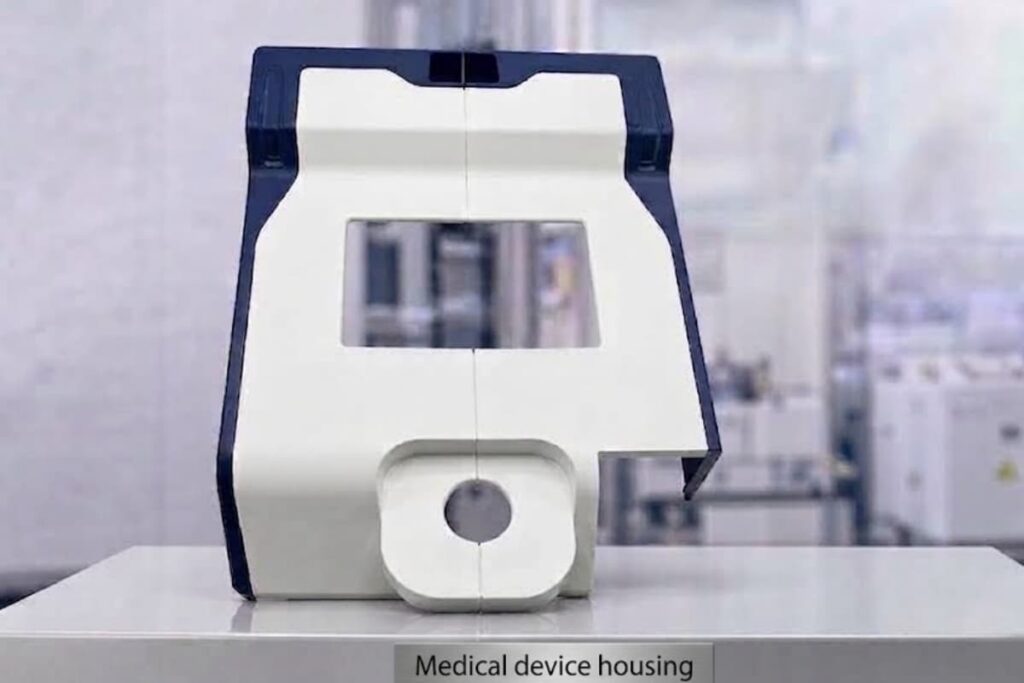
| Medical | Device housings, prosthetics, instrument components |
| Electronics | Enclosures, structural components, consumer devices |
| Aerospace | Interior panels and ducts |
| Consumer goods | Sporting goods, appliances, furniture components |
GoodTech regularly applies RIM to prototypes and low-volume parts for medical, automotive, and consumer-electronics products.
Advantages of RIM
- Low tooling cost — aluminum molds are far cheaper and faster than steel injection molds.
- Short lead time — tooling and first parts can be turned around quickly relative to hardened-steel tooling.
- Design freedom — large undercuts, varied wall thickness, and integrated features are achievable.
- Strength-to-weight — cured parts are tough and light, with good cosmetic finish.
- Better unit economics than CNC or 3D printing at low-to-mid volumes, once tooling exists.
Against standard injection molding, RIM trades per-part cost at scale for lower upfront cost and faster start — the right trade for many development and niche-production programs.
Limitations and Common Mistakes
RIM is not universal. Aluminum tooling is less durable than steel, so it is not suited to very high volumes. Very fine surface detail can be harder to reproduce reliably, and material selection drives whether the part meets temperature, chemical, or mechanical requirements.
Common mistakes include assuming RIM suits mass production, over-specifying wall thickness, ignoring draft and radii, and choosing a material by cost alone rather than by application.
Common Defects and How to Avoid Them
| Defect | Likely cause | How to reduce it |
|---|---|---|
| Voids or bubbles | Trapped air or moisture in components | Controlled metering, dry materials, proper venting |
| Short shot / incomplete fill | Low pressure, cold mold, poor flow | Review gate location, flow path, mold temperature |
| Sink marks | Uneven wall thickness, excessive local mass | Uniform walls, add ribs instead of thick sections |
| Surface blemishes | Mold surface, release, or finish process | Proper mold prep, specify finish early |
Cost, Lead Time, and Production Volume
RIM cost structure is front-loaded lightly: tooling is inexpensive and built quickly, while per-part cost depends mainly on volume, material, and finish. As quantities rise above a few dozen, unit cost typically falls below CNC machining or 3D printing. Lead time is short relative to steel-tooled injection molding, which is why RIM is widely used for prototyping and bridge production.
Exact tooling cost, per-part pricing, and lead time vary with part size, material system, finish, and order quantity, so these figures should be confirmed with the manufacturer against your specific design.
Working With a RIM Manufacturer
When evaluating a manufacturing partner, look beyond the process itself:
- Engineering support — Can the team review your design for moldability before tooling?
- Quality system — GoodTech holds ISO 9001, IATF 16949 (automotive), ISO 13485 (medical devices), ISO 14001, and UL 746D (QMMY2) certifications, which matter for regulated industries.
- IP protection — Confirm NDA and data-handling practices before sharing designs.
- Communication — Engineering teams based in Chicago and Shenzhen, plus a Vietnam manufacturing site, allow around-the-clock progress and favorable tariff routing for many programs.
What to Prepare Before Requesting a Quote
A complete request speeds up both the quote and the first parts:
- A CAD model (STEP/IGES) of the part.
- Target material properties or a preferred material family.
- Estimated annual and per-order volume.
- Critical dimensions and tolerance requirements.
- Required surface finish or coating.
- End-use environment (temperature, chemicals, UV).
- Desired timeline and milestones.
- Any quality documentation or compliance needs.
You can start that conversation on the contact us page or through the reaction injection molding service page.
Frequently Asked Questions
What is reaction injection molding in simple terms?
RIM mixes two liquid reactive components in a low-pressure aluminum mold; they chemically cure into a solid plastic part.
How is RIM different from plastic injection molding?
Injection molding melts solid plastic and forces it into steel tooling at high pressure and temperature. RIM uses liquid reactive materials in low-pressure aluminum tooling at near room temperature, with much lower tooling cost.
Is reaction injection molding expensive?
Tooling is relatively low cost and fast to build. Per-part cost depends on volume and material; it usually becomes cheaper than CNC or 3D printing as quantities rise, while remaining below steel-tooled injection molding for low volumes.
What materials can be used in RIM?
Common systems include polyurethane, epoxy, nylon-based, silicone/LSR, and polyester, each tunable for stiffness, temperature, and chemical resistance.
When should I choose RIM over 3D printing or vacuum casting?
Choose RIM when you need production-like material properties and finish at low-to-mid volume. Use 3D printing for single proof parts and vacuum casting for a few polyurethane copies.
Are RIM parts durable?
Cured RIM parts are tough and lightweight with good strength-to-weight, suitable for automotive, medical, and industrial use when the right material is selected.
Can RIM make large or complex parts?
Yes. Low-pressure aluminum tooling handles large parts, varied wall thickness, and undercuts that are hard in many other processes.
How long does RIM tooling and lead time take?
Lead time is short relative to steel injection tooling. Exact timing depends on part complexity, material, and volume and should be confirmed with the manufacturer.
Does RIM support inserts and foam cores?
Yes. Metal inserts can be molded in, and foam-core structures can reduce weight while keeping a solid skin.
How do I start a RIM project with a manufacturer?
Prepare a CAD model, material and volume targets, tolerances, finish, and environment, then request a quote and design review.
Key Takeaways
- RIM is a low-pressure, room-temperature process using two reactive liquids in an aluminum mold — lower tooling cost and faster start than injection molding.
- It is the right choice for prototyping and low-to-mid volume parts that are large, complex, or have undercuts.
- Design rules matter: uniform walls, generous radii, draft, and reviewed undercuts protect quality.
- Compared with 3D printing and vacuum casting, RIM gives production-like properties at higher quantities.
- Confirm material, cost, and lead-time specifics with your manufacturer before tooling.
Contact US
If you are evaluating a reaction injection molding (RIM) project, contact GoodTech today: send us your CAD model (STEP/IGES), target material, estimated annual and per-order volume, critical tolerances, required surface finish, and end-use environment, and our engineering team will provide a RIM suitability assessment, DFM review, and quotation.