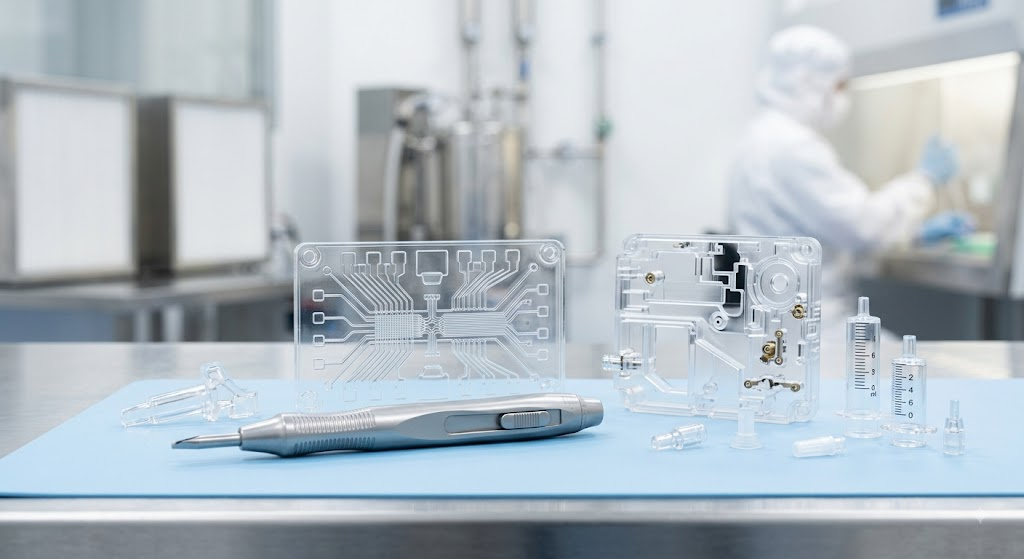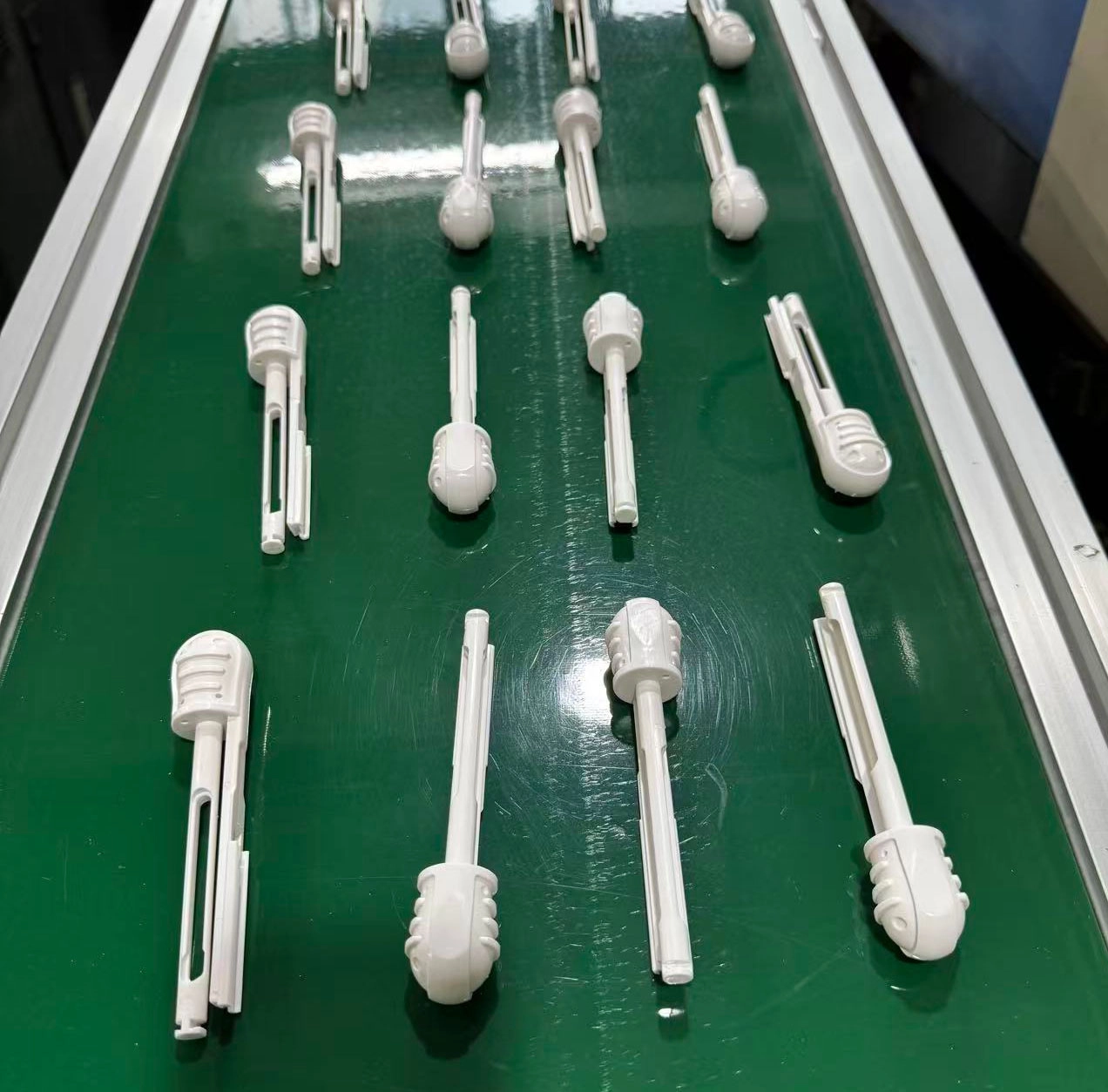

Producing medical devices requires absolute defect prevention, strict material batch traceability, and regulatory compliance. ISO 13485 injection molding provides the mandated framework to meet these demands, ensuring that plastic components—ranging from 0.2g micro-parts to 4500g equipment housings—are manufactured with consistent dimensional accuracy and biological safety.
For engineers and purchasing managers, selecting a medical injection molding contract manufacturer is a critical risk-management decision. A non-compliant process can lead to FDA audit failures, costly product recalls, or compromised patient safety. This guide breaks down how ISO 13485 standards dictate the injection molding process, the specific tooling requirements for medical-grade plastics, and the core criteria for vetting a qualified manufacturing partner.
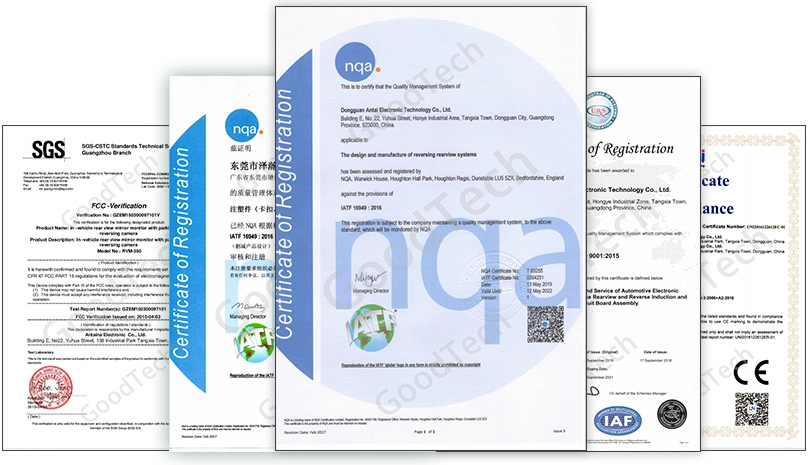
The Critical Role of ISO 13485 in Medical Device Injection Molding
Standard industrial injection molding focuses on production speed and basic dimensional tolerance. In contrast, medical device manufacturing requires a risk-based approach to every phase of production. ISO 13485 mandates rigorous documentation, environmental controls, and validation protocols that go far beyond standard quality management systems.
When evaluating a partner for FDA registered injection molding or CE-marked device components, understanding the operational gap between ISO 9001 and ISO 13485 is the first step.
Standard ISO 9001 vs. ISO 13485 Medical Molding
| Evaluation Criteria | Standard ISO 9001 Injection Molding | ISO 13485 Medical Injection Molding |
| Risk Management | General business risk assessment. | Mandated product safety and regulatory risk analysis (FMEA) for every component. |
| Traceability | Basic batch tracking. | Complete bidirectional traceability from raw resin lot to the final molded medical device. |
| Change Control | Supplier-initiated changes allowed with basic notification. | Zero unauthorized changes. Any modification to tooling, material, or process requires re-validation. |
Navigating the Medical Injection Molding Process: From Concept to Compliance
Bringing a medical device to market requires a structured transition from initial design to high-volume manufacturing. An ISO 13485 certified facility controls this process through a strict, multi-phase validation framework.
- Design for Manufacturability (DFM) and Risk Analysis: Engineers analyze the CAD model to identify potential molding defects (such as sink marks or weld lines) that could harbor bacteria or compromise structural integrity.
- Prototyping and Material Testing: Before committing to hard steel molds, teams utilize medical rapid prototyping solutions to test form, fit, and biocompatibility using production-grade or surrogate materials.
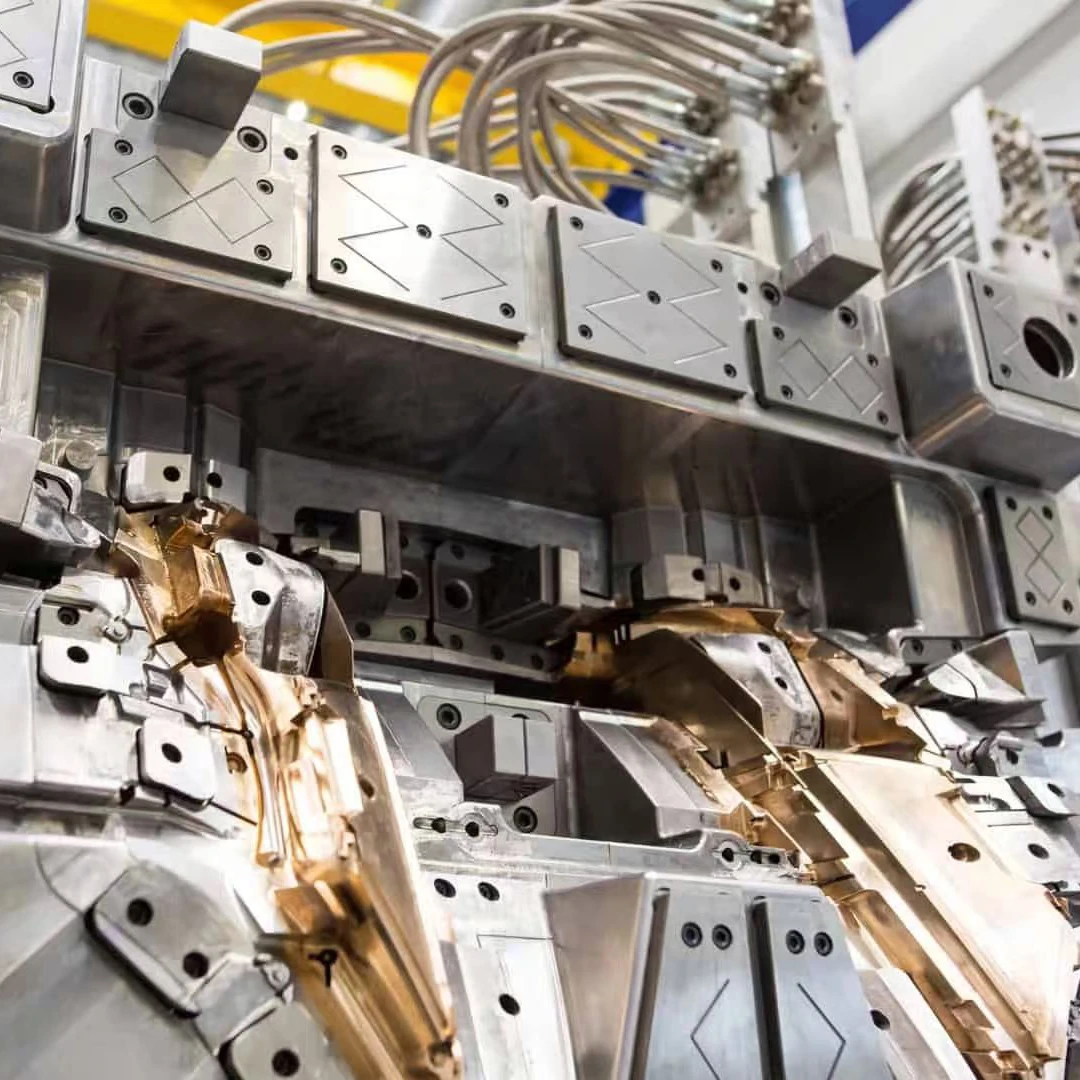
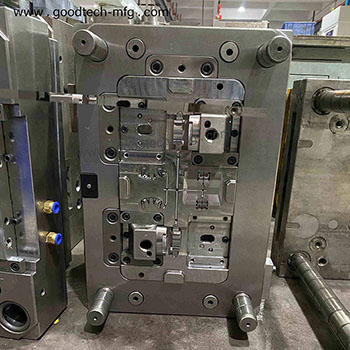
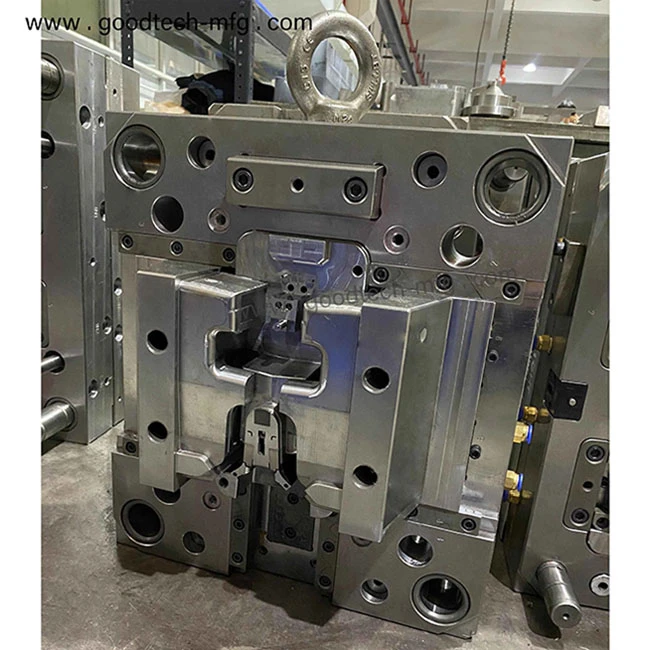
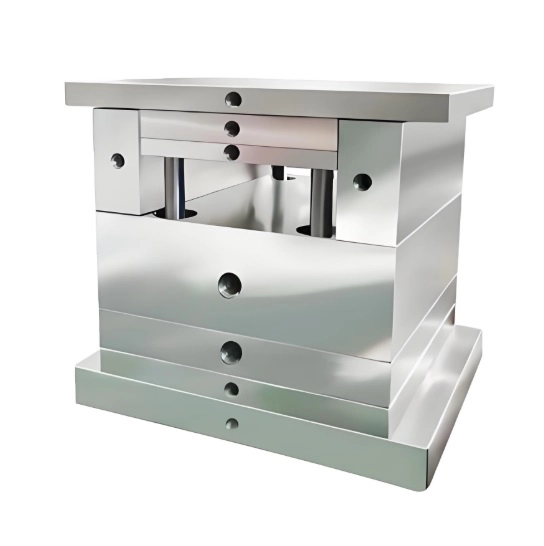
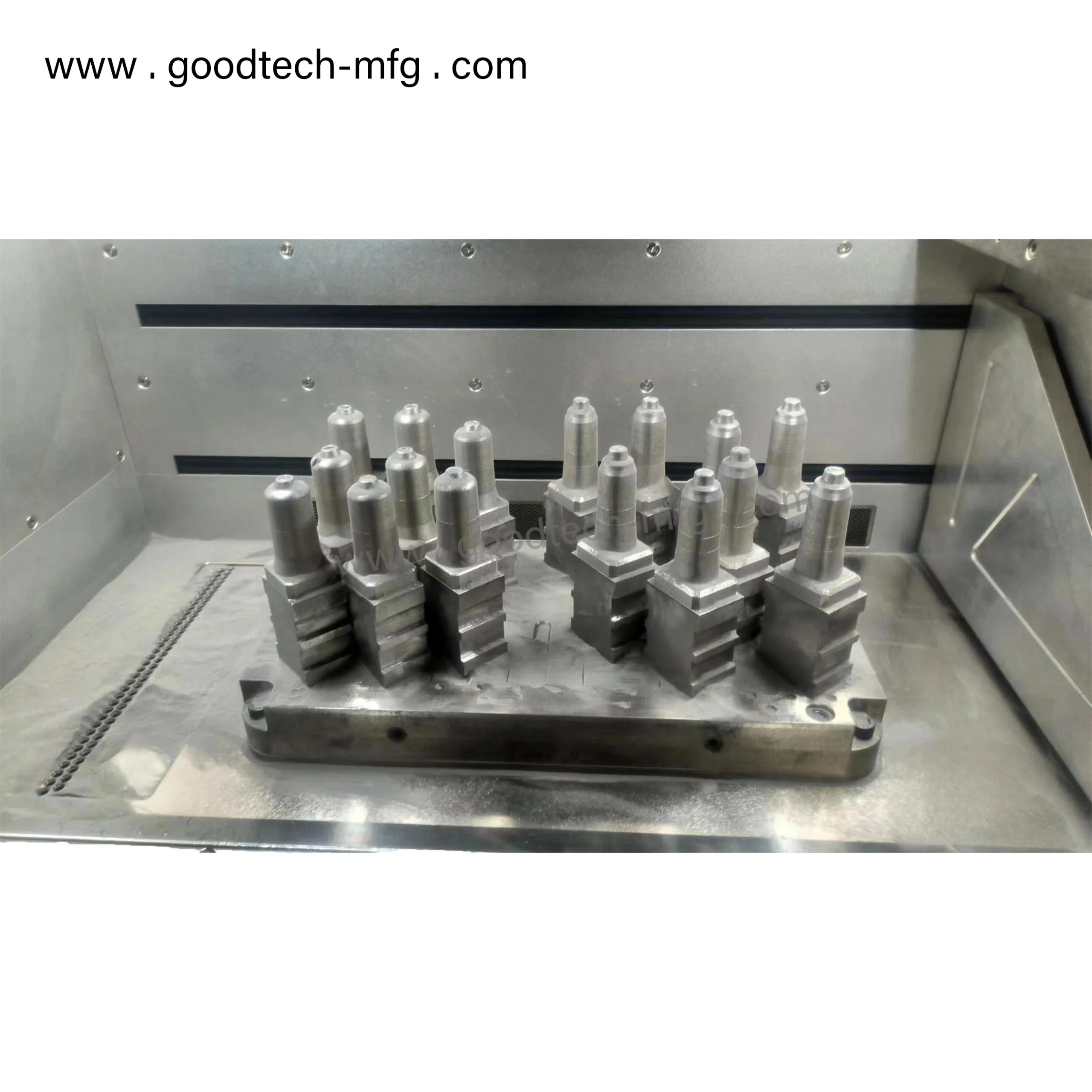
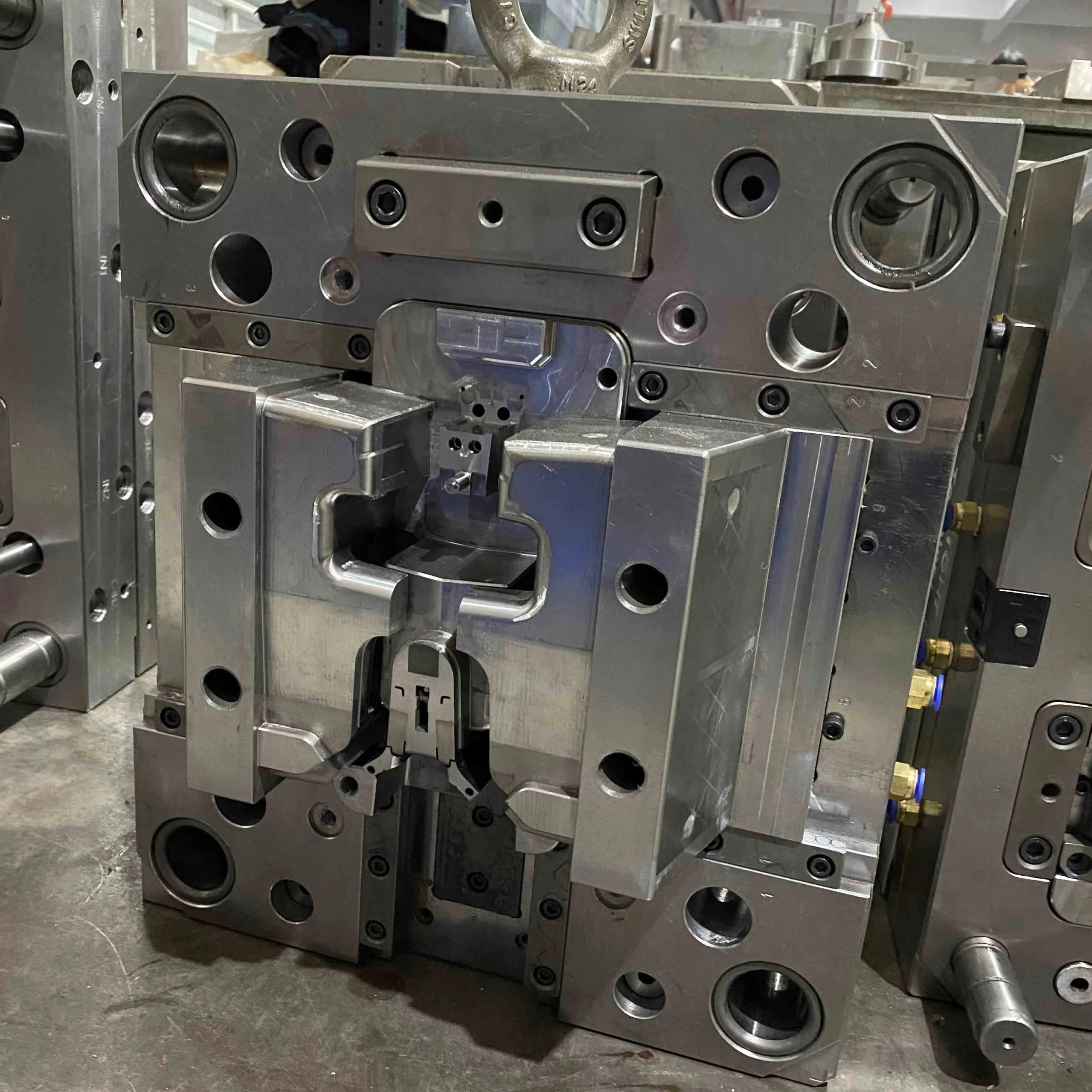
- Medical Tooling Fabrication: The mold is cut from high-grade steel, incorporating specialized cooling channels and venting designed specifically for medical polymers.
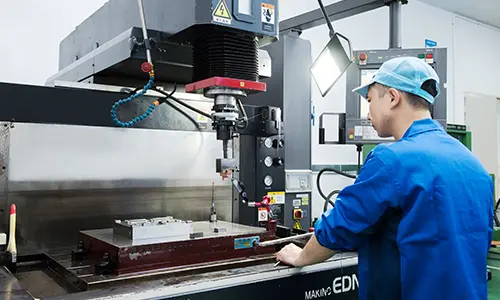
- Process Validation (IQ/OQ/PQ): The manufacturing process is validated through Installation Qualification (IQ), Operational Qualification (OQ), and Performance Qualification (PQ) to prove the machine can consistently produce compliant parts.
- Controlled Volume Production: The part moves into full-scale production, monitored by real-time quality control checks and strict batch record documentation.
Precision Tooling Requirements for Medical-Grade Plastics
The quality of a medical molded part is entirely dependent on the precision of the mold. Medical-grade polymers, such as PEEK, Ultem, or specific medical polycarbonates, often possess unique rheological properties that require highly specialized tooling designs.
Whether producing structural enclosures or requiring micro injection molding services for internal mechanisms, the mold must adhere to strict medical standards.
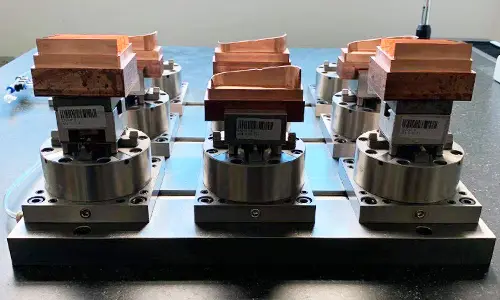
Medical Tooling Specification Checklist:
- Corrosion-Resistant Steel Selection: Molds must be machined from hardened, corrosion-resistant steels (e.g., Stavax, H13) to prevent rust contamination and withstand harsh medical sterilization chemicals during maintenance.
- Advanced Venting Configurations: Precise vent depths (often between 0.0005″ and 0.0025″) are required to prevent gas traps and material degradation without causing flash on the final part.
- Optimized Thermal Management: Conformal cooling channels must be integrated to ensure uniform cooling rates, preventing warpage in dimensionally critical components.
- Class 101 Mold Standards: For high-volume production, precision injection tooling fabrication must guarantee a lifespan of over one million cycles with zero dimensional drift.
Core Capabilities of a Medical Injection Molding Contract Manufacturer
Medical devices rarely consist of simple, single-material geometries. They require ergonomic grips, integrated conductive elements, and chemical-resistant housings. A highly capable partner must offer advanced molding techniques executed strictly under ISO 13485 protocols.
When reviewing a supplier’s custom plastic injection molding profile, look for demonstrated expertise in multi-material applications and specialized resin handling.
Medical Application and Process Matrix
| Medical Device Requirement | Recommended Molding Process | Core Advantage |
| Surgical Instrument Handles | Over-Molding | Chemically bonds a soft-touch, slip-resistant elastomer over a rigid thermoplastic substrate without adhesives. |
| Diagnostic Equipment Housings | Structural Foam or Gas-Assist Injection Molding | Provides high rigidity-to-weight ratio, excellent dimensional stability, and resistance to hospital-grade disinfectants for large capital equipment. |
| Wearable Monitors | Insert Molding | Encapsulates metal pins or threaded inserts directly within the plastic during the molding cycle, ensuring a highly reliable, liquid-tight seal. |
| Micro Fluidic Cartridges | High Precision / Micro Molding | Achieves extreme tolerances for components weighing under 1 gram, essential for accurate fluid routing. |
Executing a Flawless Quality System under ISO 13485
Quality cannot be inspected into a medical device at the end of the line,it must be controlled throughout the entire manufacturing cycle. An ISO 13485 certified quality system relies on documented evidence and calibrated equipment to remove human error from the production floor.
The Medical Quality Control Flow:
- Incoming Quality Control (IQC): Verifying raw resin lots against supplier Certificates of Analysis (COA) to confirm material purity and correct moisture content prior to drying.
- In-Process Quality Control (IPQC): Utilizing advanced quality testing equipment such as CMMs, optical comparators, and automated vision systems to measure critical dimensions at specified intervals during the molding run.
- Final Quality Control (FQC): Conducting final visual, dimensional, and functional testing on the assembled or finished molded components.
- Corrective and Preventive Action (CAPA): If a defect is identified, the facility must trigger continuous improvement protocols to isolate the root cause and implement permanent manufacturing corrections.
Sourcing Checklist: Vetting an Injection Molding Manufacturer in China
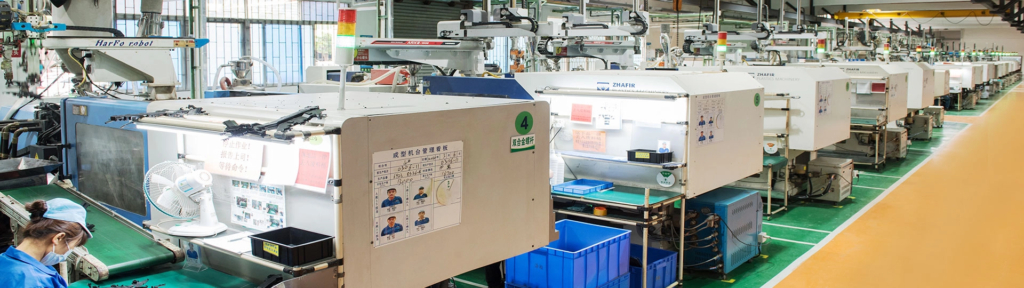
Sourcing a manufacturing partner overseas requires careful diligence to protect your supply chain and intellectual property. When auditing an injection molding manufacturer in China for medical applications, evaluate the following operational realities.
Procurement Checklist for Medical Molding Partners:
- [ ] Certified ISO 13485 Compliance: Verify the certificate is current, issued by a recognized auditing body, and specifically covers component manufacturing and assembly.
- [ ] Production Capacity and Scale: Confirm the facility can handle your volume requirements. Evaluate their machine tonnage range and monthly output (e.g., the ability to scale from prototyping to millions of parts using dozens of injection machines).
- [ ] Intellectual Property (IP) Protection: Ensure the manufacturer has strict internal data security protocols and non-disclosure agreements to protect medical CAD files and proprietary material formulations.
- [ ] Traceability Infrastructure: The factory must demonstrate a software-backed inventory management system capable of linking a specific molded part back to its exact resin batch and molding machine parameters.
- [ ] Tooling Maintenance Protocols: Verify the supplier has in-house tooling maintenance to perform routine cleanings and complex repairs without halting your production schedule.
Partnering with GoodTech for Your Next Medical Device Project
Navigating the regulatory and technical demands of medical manufacturing requires a partner with proven scale, rigorous quality controls, and advanced engineering capabilities. With the capacity to produce over 8 million precision plastic components monthly and the expertise to execute complex over-molding and insert molding, GoodTech provides the stable, compliant manufacturing foundation your medical devices require.
By integrating ISO 13485, ISO 9000, and UL 746D standards, we protect your IP and ensure every component meets exact specifications.
Ready to scale your medical device production without compromising on compliance? Contact GoodTech today to discuss your project requirements or submit your 3D CAD files for a comprehensive ISO 13485 tooling and molding evaluation.