
Conformal Cooling vs. Standard Cooling: Is It Worth It?
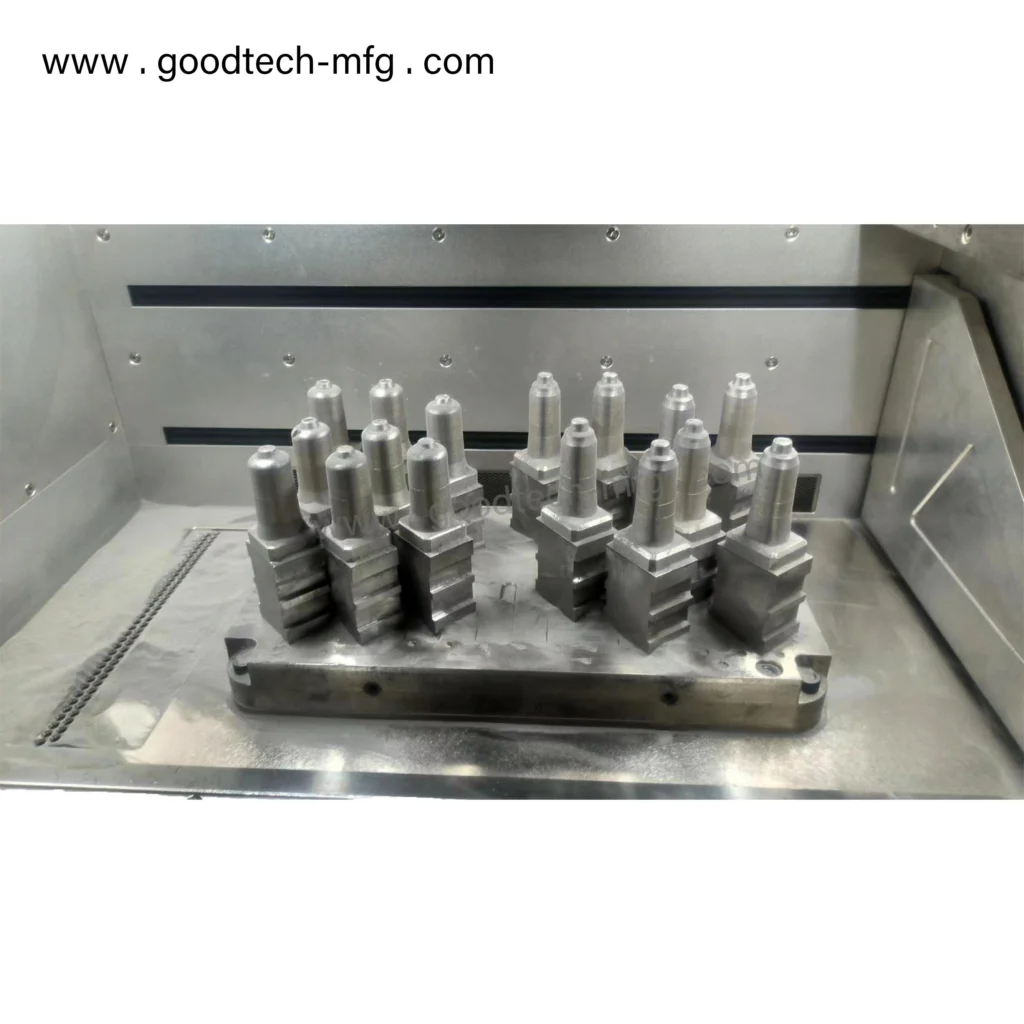
In high-precision injection molding, traditional gun-drilled cooling lines are often the primary bottleneck, forcing engineers to compromise part quality for manufacturing accessibility. Because straight drills cannot follow complex 3D curvatures, manufacturers frequently face uneven shrinkage, unreachable hotspots, and extended cycle times that erode profit margins. While standard cooling methods suffice for simple geometries, they fail […]
What Are the Advantages and Disadvantages of Injection Molding? A Complete Guide
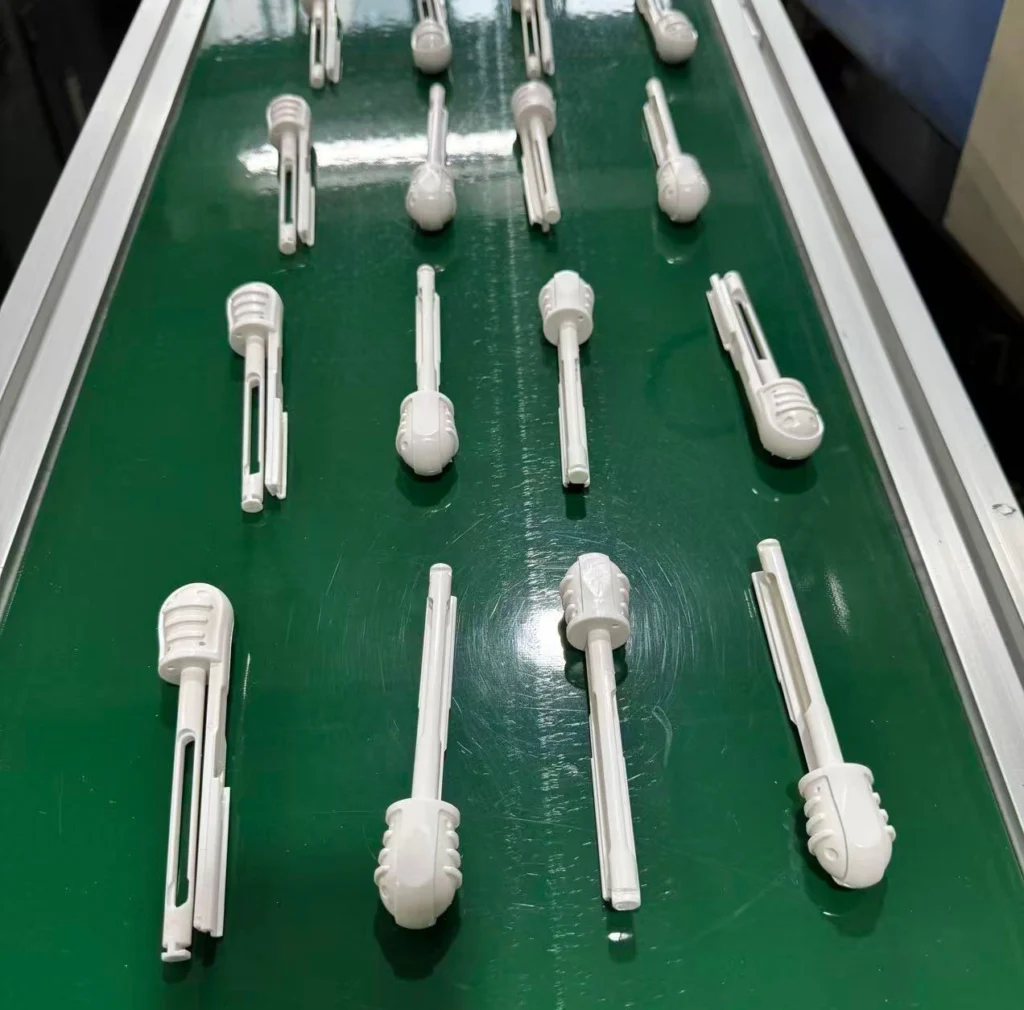
Take a moment to look at the plastic products around you: your computer mouse, the cap on your water bottle, the dashboard in your car, or a LEGO brick. They were almost certainly made using injection molding. Why has this single manufacturing process so thoroughly dominated the world of plastics for decades? The primary advantages […]
How to Reduce Injection Molding Costs: An Engineer’s Guide
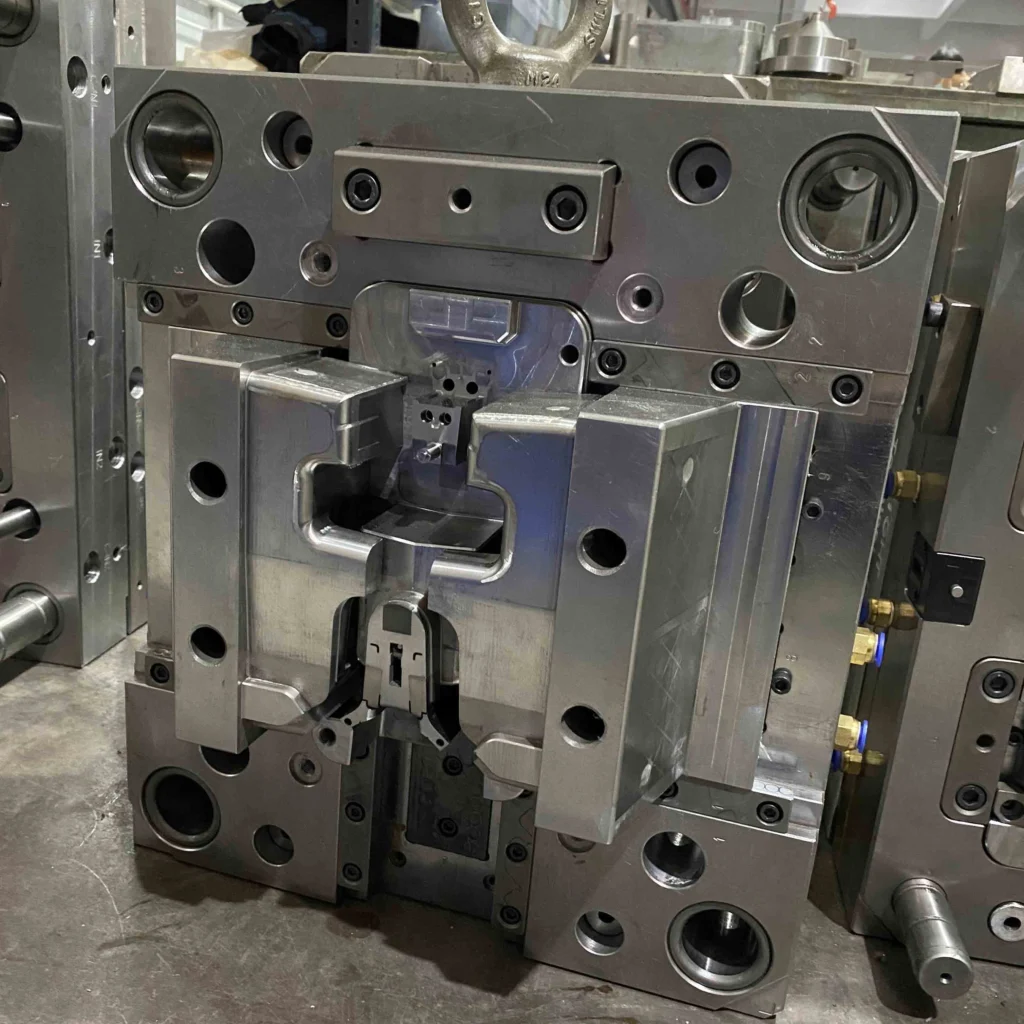
Every engineer and project manager has experienced the “sticker shock” moment. You’ve perfected your part design, sent it out for a production quote, and the number that comes back is $35,000 for the mold alone. Why? And more importantly, how can you cut that number in half? The most effective way to reduce injection molding costs is […]
What Are High-Temperature Plastics? A Guide to the Top 5 for Injection Molding
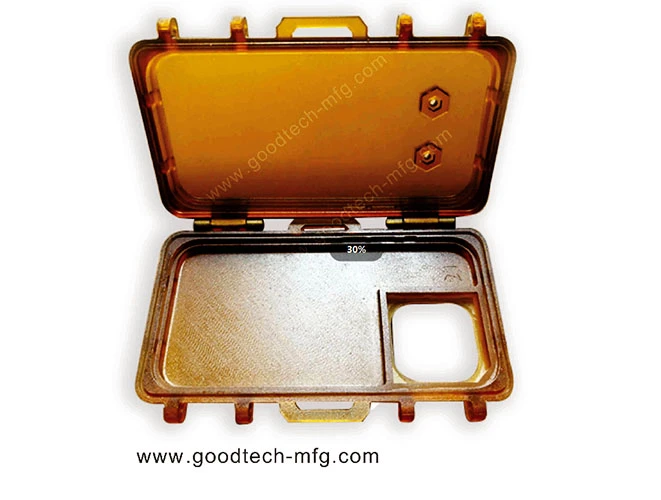
What Are High-Temperature Plastics? A Guide to the Top 5 for Injection Molding Every engineer has felt that sinking feeling. You open the test chamber to find your beautiful prototype, perfectly molded from polycarbonate, now warped and sagging like a Dali painting. The culprit? Heat. Standard plastics are fantastic, but they have their limits. When […]
What Is An Injection Mold? An Engineer’s Guide To Mold Structure & Components
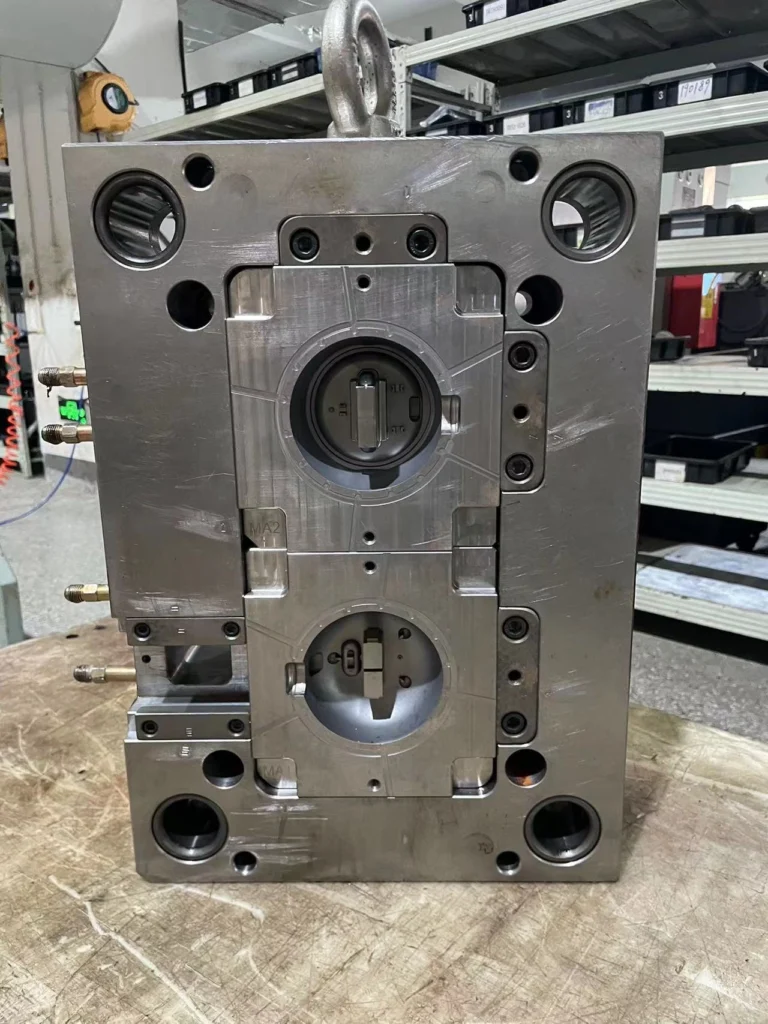
What is an Injection Mold? An Engineer’s Guide to Mold Structure & Components Think of an injection mold not as a simple block of steel, but as a complex, custom-built 3D puzzle. Each precisely engineered piece has a critical job to do. For designers and engineers, understanding how this puzzle fits together is the secret […]
ABS Plastic Explained: Properties, Processing Methods, and Real-World Applications
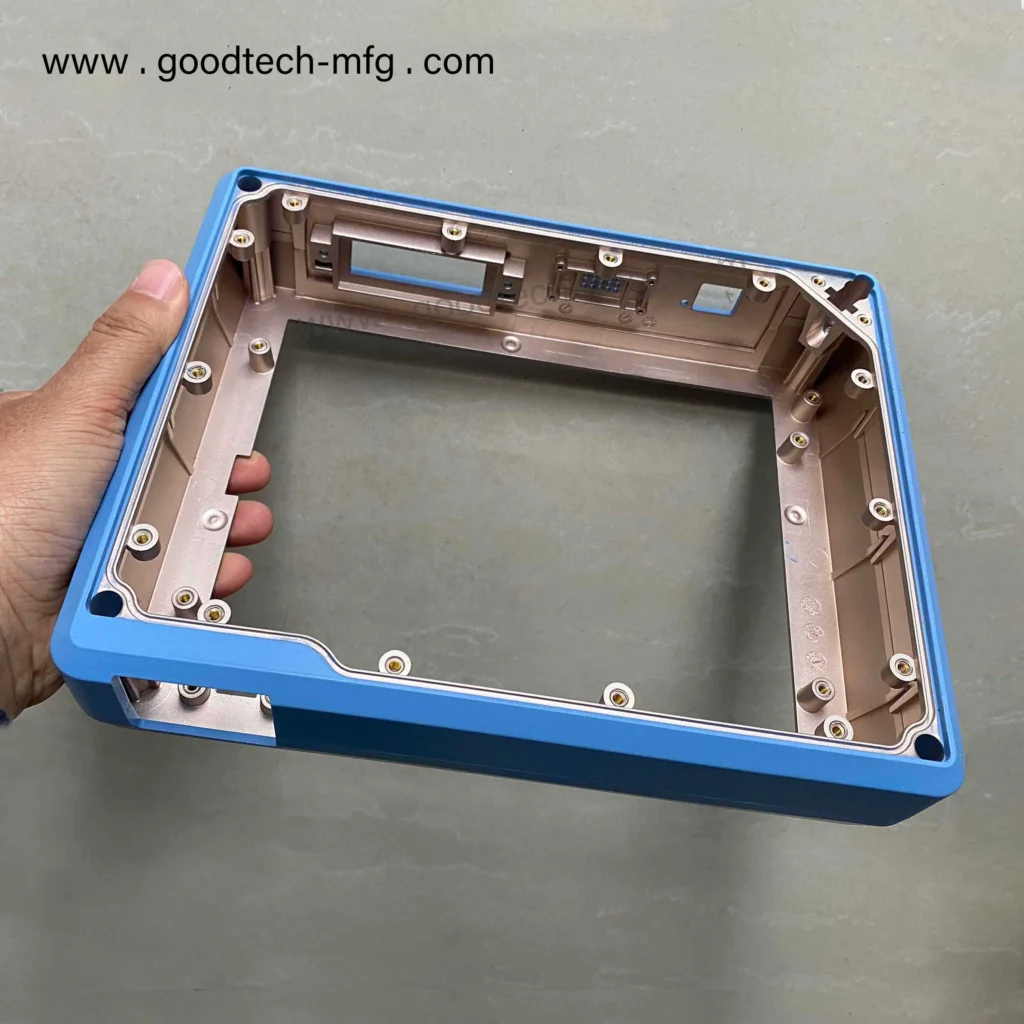
1. Introduction to ABS Plastic Acrylonitrile Butadiene Styrene, commonly known as ABS plastic, is one of the most widely used thermoplastic polymers in manufacturing. Its balanced combination of strength, toughness, and ease of processing makes it a preferred choice for engineers and product designers. From automotive components and consumer electronics to medical devices and toys, ABS offers […]
20 Types of Plastic Materials – Complete Guide of Properties and Uses
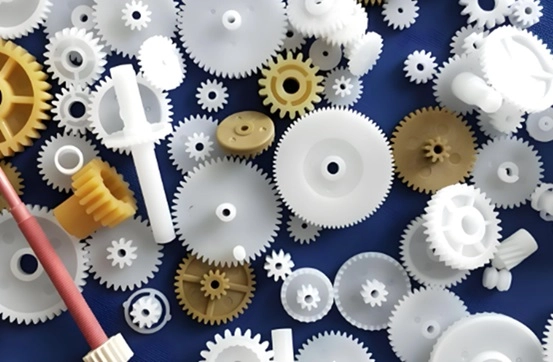
20 Types of Plastic Materials – Complete Guide of Properties and Uses GoodTech MFG Reading Time: 11 min Word Count: 2225 Picture Count: 20 Size (words and pictures): 0.95 MB Engineer-focused guide for material selection in manufacturing and injection molding. Introduction Material selection is critical in engineering and manufacturing. This guide provides engineer-focused insights […]
What’s the minimum draft angle needed for injection molded parts?
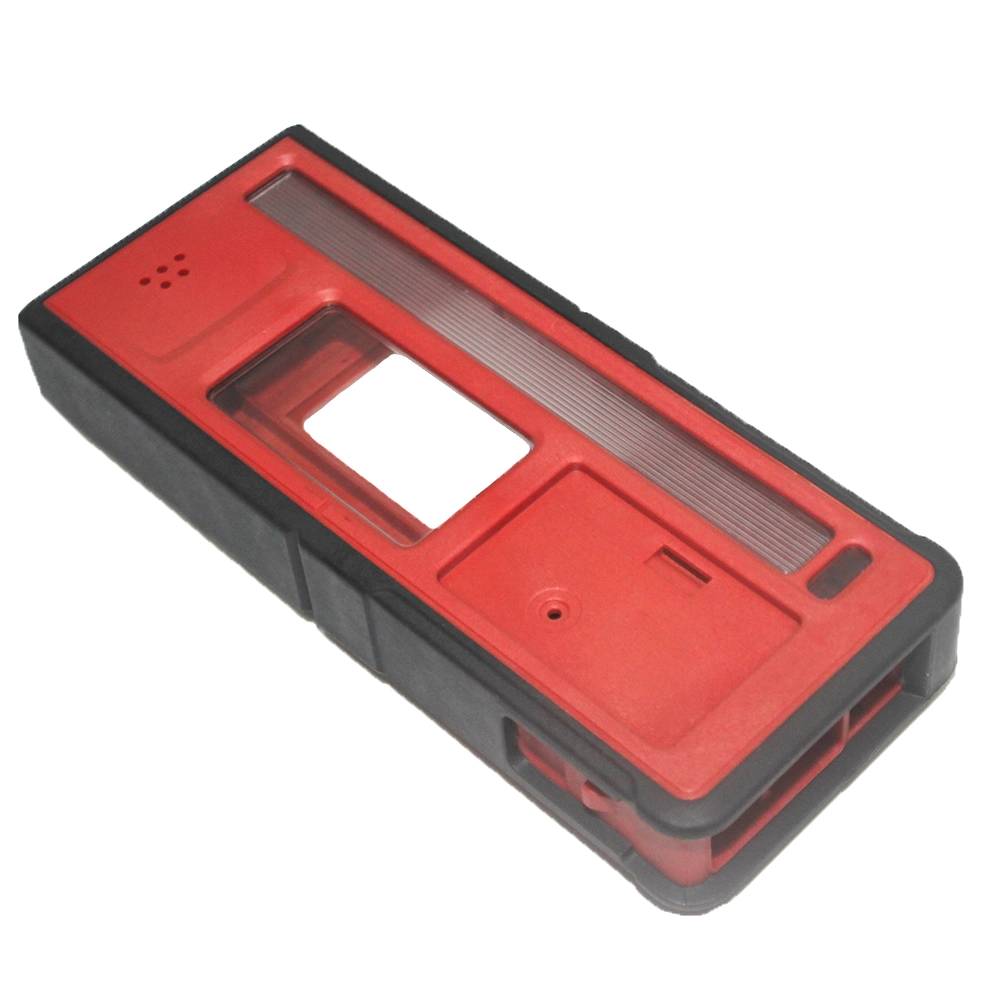
One of the most overlooked — yet critically important — aspects of plastic part design is draft angle. If your part doesn’t have enough draft, it can stick to the mold, cause damage during ejection, or increase tooling wear and cost. This article explains: What a draft angle is Recommended draft angles for different surfaces What […]
What Is the Best Wall Thickness for Injection Molded Plastic Parts?
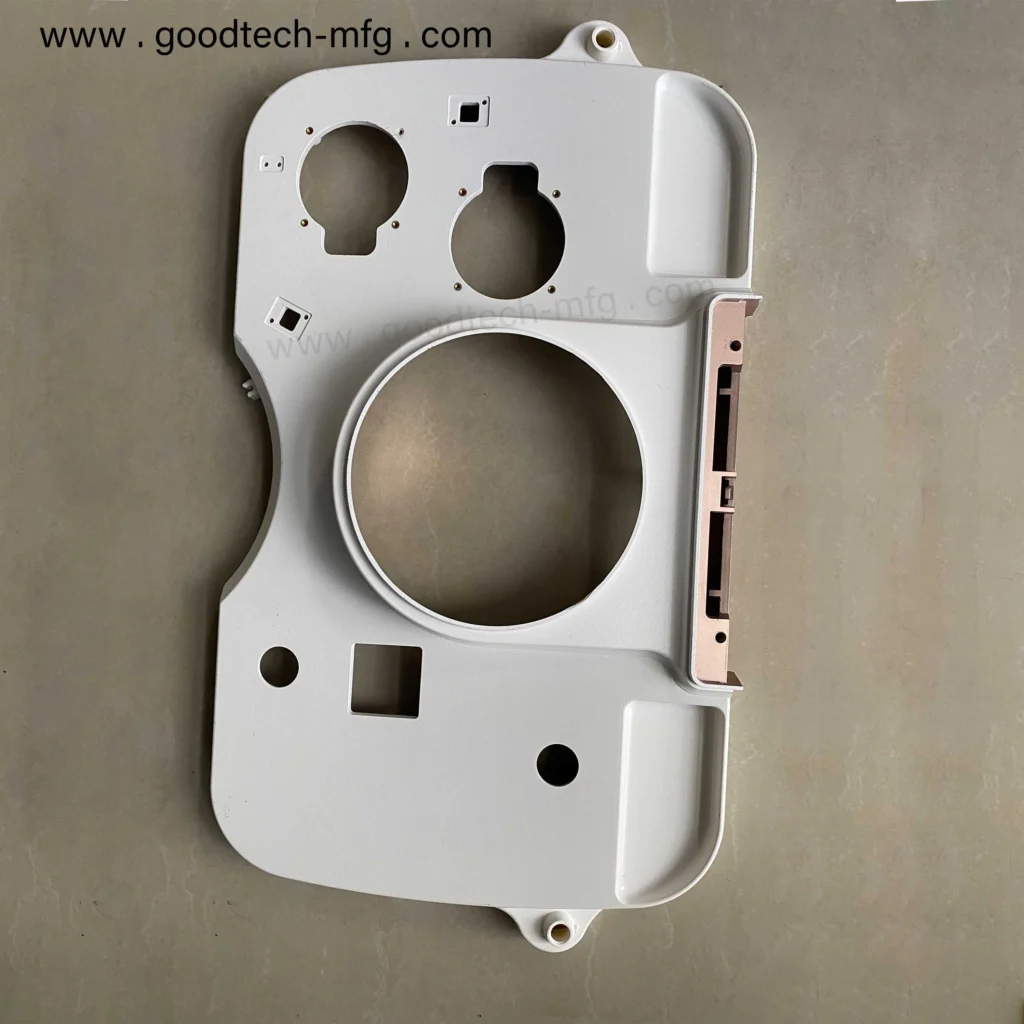
When designing plastic parts for injection molding, one of the most critical decisions a mechanical engineer must make is choosing the right wall thickness. Wall thickness affects part strength, manufacturability, cycle time, and cost — and poor choices often lead to defects like warping, sink marks, or short shots. Non-uniform walls are also the top design-side driver of warpage in […]
How to eliminate the shrink marks?
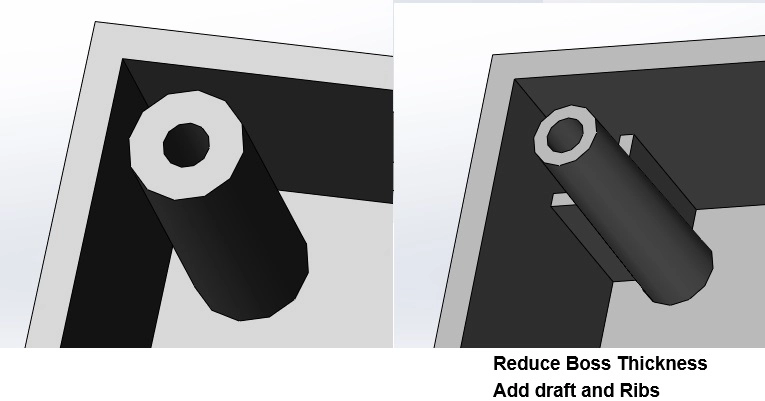
How to eliminate the shrink marks? What are shrink marks in Injection Molding? Shrink marks (also known as sink marks) are small, shallow depressions or dimples that appear on the surface of an injection-molded plastic part. They are not cracks or holes, but subtle surface defects caused by uneven cooling and material shrinkage during the molding process. These marks can […]