
Mastering the unit economics of custom plastic injection moulding
requires balancing tooling investment, raw material grade, and cycle time efficiency against strict dimensional targets. Purchasing managers and engineers frequently face budget overruns because they overlook how part geometry, tolerance class, and cavity layout dictate production expenses. This guide details the structural cost drivers in precision injection moulding, analyzes the impact of tight dimensional thresholds, and outlines engineering-driven strategies to optimize project budgets without compromising part functionality.
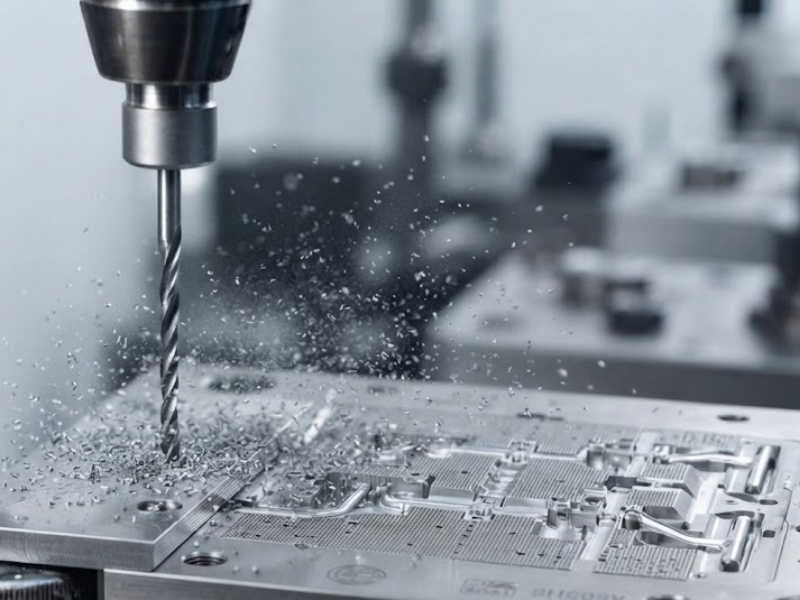
Introduction: The True Cost Drivers of Precision Injection Moulding
Production budgets in plastic manufacturing depend heavily on three foundational variables: upfront tooling fabrication, raw resin consumption, and machine operating time per shot. Unlike standard commercial manufacturing, tight tolerance injection moulding demands specialized machine calibration, higher-grade mould steels, and rigorous monitoring to prevent shrinkage variations.
Navigating these variables requires an engineering-driven approach to Design for Manufacturability (DFM). By understanding how every design choice alters material flow and cooling rates, project teams can control costs before cutting steel. Readers will learn how to break down component expenses, evaluate tool complexity, manage tight tolerances, and select a qualified injection moulding manufacturer
.
- Key Takeaway 1: Tooling costs scale directly with cavity complexity, side-actions, and steel selection.
- Key Takeaway 2: Material choice dictates both raw pound cost and processing window stability.
- Key Takeaway 3: Cycle time reductions compound exponentially across large production runs.
Breakdown of Moulding Costs: Tooling, Material, and Cycle Time
Financial planning for custom components requires examining how capital and operational expenditures intersect across the manufacturing lifecycle. Tooling represents the primary initial investment, while material and cycle times govern ongoing piece-part expenses.
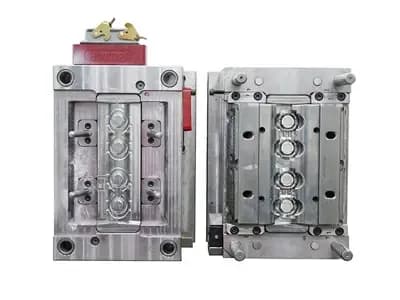
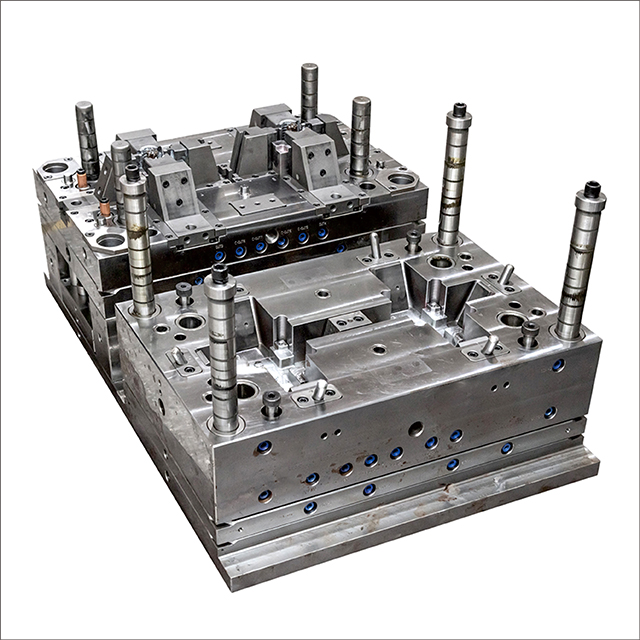
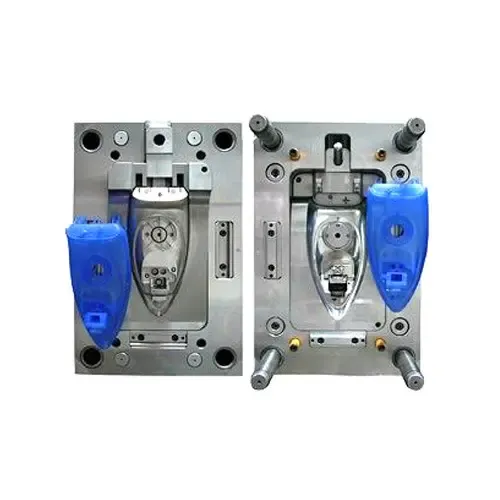
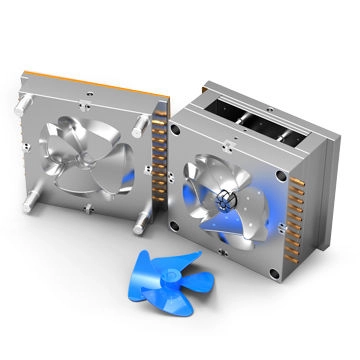
- Tooling Investment: The cost of an injection mould depends on steel grade (e.g., P20, H13, or stainless steel), number of cavities, hot versus cold runner systems, and slider mechanisms required for undercuts. Complex geometry increases machining hours and trial iterations.
- Raw Material Selection: Resins range from commodity plastics (ABS, PP) to high-performance engineering polymers (PEEK, LCP). Price per kilogram varies widely, and additives like glass fibers increase tool wear, adding hidden maintenance costs.

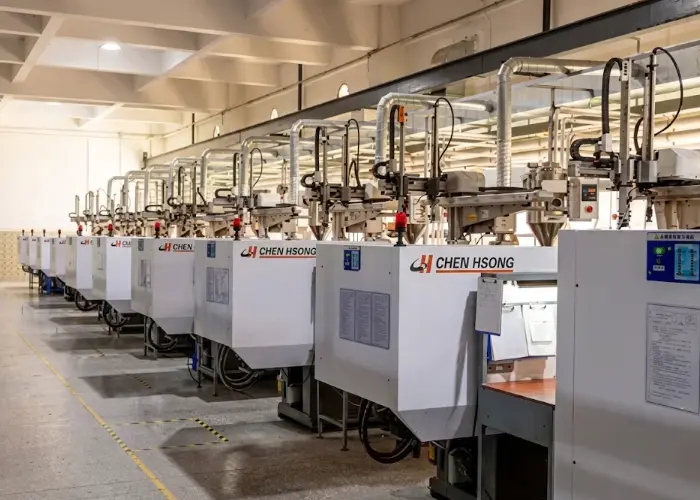
- Cycle Time and Machine Hour Rates: Cycle time includes injection, packing, cooling, and ejection phases. Cooling typically consumes over fifty percent of the cycle. Press tonnage requirements also dictate hourly machine rates, scaling costs upward for larger platforms.
| Cost Component | Primary Drivers | Financial Impact | Optimization Focus |
| Tooling | Steel type, cavity count, lifters, runner system | High upfront capital expenditure | Simplify part geometry to eliminate side-actions |
| Material | Resin grade, additives, colorants, batch size | Variable recurring piece-part cost | Select appropriate engineering equivalents during DFM |
| Cycle Time | Wall thickness, cooling efficiency, machine tonnage | Direct hourly operational cost | Optimize cooling channel layout and wall uniformity |
For projects requiring early validation before committing to hard production tooling, teams often utilize rapid prototyping
to verify form and fit prior to final steel cutting.
Navigating Tight Tolerances and Design Complexities
Achieving strict dimensional accuracy is essential for medical devices, electronics housings, and mechanical assemblies. However, specifying unnecessarily rigorous thresholds drives up manufacturing overhead.
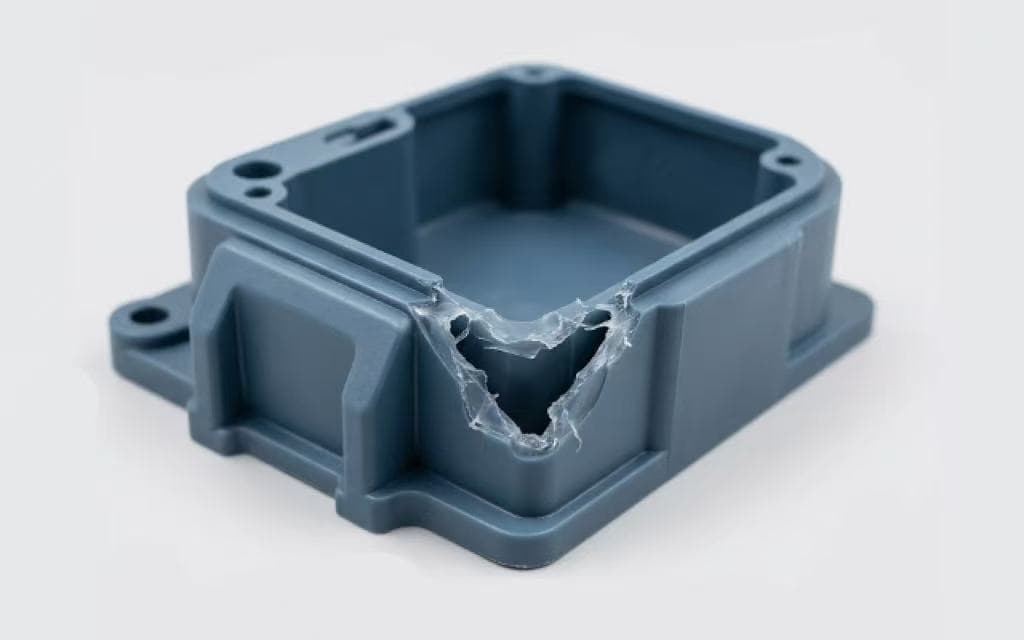
- Dimensional Stability: As plastic cools, it naturally shrinks. Variations in wall thickness create uneven volumetric shrinkage, leading to warping and out-of-tolerance dimensions.
- Tooling Precision: Tight tolerance injection moulding requires high-precision CNC machining, electrical discharge machining (EDM), and optical coordinate measuring machines (CMM) for verification. Toolmakers must account for specific resin shrinkage rates during steel cutting.
- Scrap and Inspection Rates: Stricter specifications increase quality control sampling frequencies, sorting labor, and potential scrap rates, which suppliers factor into overall pricing structures.
Engineers working with specialized polymers, such as thermosetting plastics, must coordinate closely with specialists in thermoset moulding
to manage cross-linking behavior and dimensional stability under thermal stress.
Engineering-Driven Cost-Saving Strategies for Product Designers
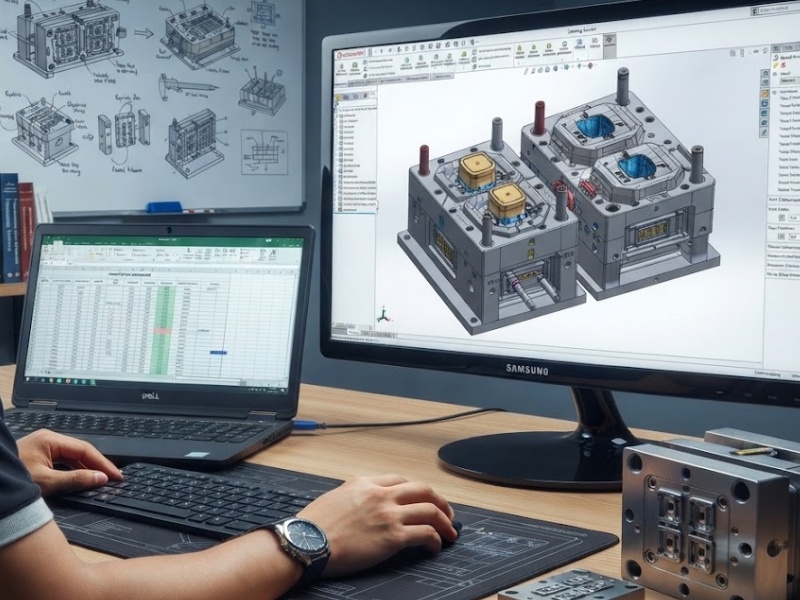
Reducing unit costs without sacrificing part performance relies on strategic decisions made during the initial design phase. Implementing DFM best practices early prevents costly tooling modifications later.
- Step 1: Uniform Wall Thickness: Design nominal walls with consistent thickness to ensure even cooling, reduce sink marks, and shorten cooling cycles.
- Step 2: Draft Angles and Radii: Incorporate adequate draft angles (typically 0.5 to 2 degrees) to facilitate smooth part ejection and prevent surface scuffing. Add radii to sharp internal corners to improve resin flow and reduce stress concentrations.
- Step 3: Rib and Boss Optimization: Use gussets and ribs instead of thick solid sections to maintain structural rigidity while saving material weight and cycle time.
- Step 4: Strategic Tolerancing: Apply tight tolerances only to critical functional interfaces, such as snap-fits or bearing surfaces, while leaving non-critical cosmetic dimensions standard.
Validating these parameters against an established quality system standards
ensures that cost-saving measures do not compromise regulatory compliance or structural integrity.
Supplier Evaluation: Quality Control, IP Protection, and Communication
Selecting the right manufacturing partner involves evaluating operational capabilities beyond simple piece-part quotations. Supply chain stability depends on rigorous process controls and secure data handling.
- Injection Moulding Quality Control: Assess whether the manufacturer utilizes automated vision systems, in-process pressure monitoring, and systematic first-article inspections (FAI) to catch defects early.
- Intellectual Property Protection: Ensure the supplier maintains strict NDA protocols and secure server environments to safeguard proprietary CAD data and tooling designs.
- Cross-Cultural Communication and Responsiveness: Rapid turnaround and clear technical dialogue between project managers and engineering teams prevent costly misinterpretations during tool commissioning.
When reviewing potential manufacturing partners, purchasing managers should contact GoodTech
to discuss specific project requirements, engineering support, and DFM optimization.
Conclusion and Next Steps for Your Project Budget
Controlling precision injection moulding costs requires balancing tooling investments, material selection, and rigorous design practices. By focusing tight tolerances where they matter most and streamlining cooling cycles, engineering teams can achieve optimal part performance while staying within budget. To move forward, gather your 3D CAD files, material specifications, and projected annual volumes to request a DFM review and quotation
from an experienced manufacturing partner.
Key Takeaways
- Tooling, material selection, and cooling time form the three core pillars of injection moulding cost structures.
- Over-specifying tolerances on non-critical dimensions unnecessarily inflates tooling and inspection expenses.
- Uniform wall thickness and proper draft angles significantly reduce cycle times and prevent part warping.
- Comprehensive supplier evaluation must encompass quality control protocols, IP security, and engineering communication.
FAQ
- What factors influence precision injection mould pricing the most? Tooling price is primarily driven by steel selection, cavity count, runner system type (hot vs. cold), and complex mechanical actions like sliders or lifters.
- How can I reduce cycle time during the design phase? Minimizing maximum wall thickness, optimizing cooling channel layouts, and choosing resins with favorable thermal properties help shorten cooling periods.
- Why are tight tolerances expensive in injection moulding? They require high-precision tool machining, stringent machine calibration, and higher scrap or sorting rates to account for natural plastic shrinkage variations.
- When should I involve an injection moulding manufacturer in the design process? Involving the manufacturer during the early prototyping stage allows for a thorough DFM review, preventing expensive tooling alterations later.
Contact Us
Ready to optimize your next component design? Contact GoodTech today
to submit your CAD files for an expert DFM review and a transparent project cost breakdown.