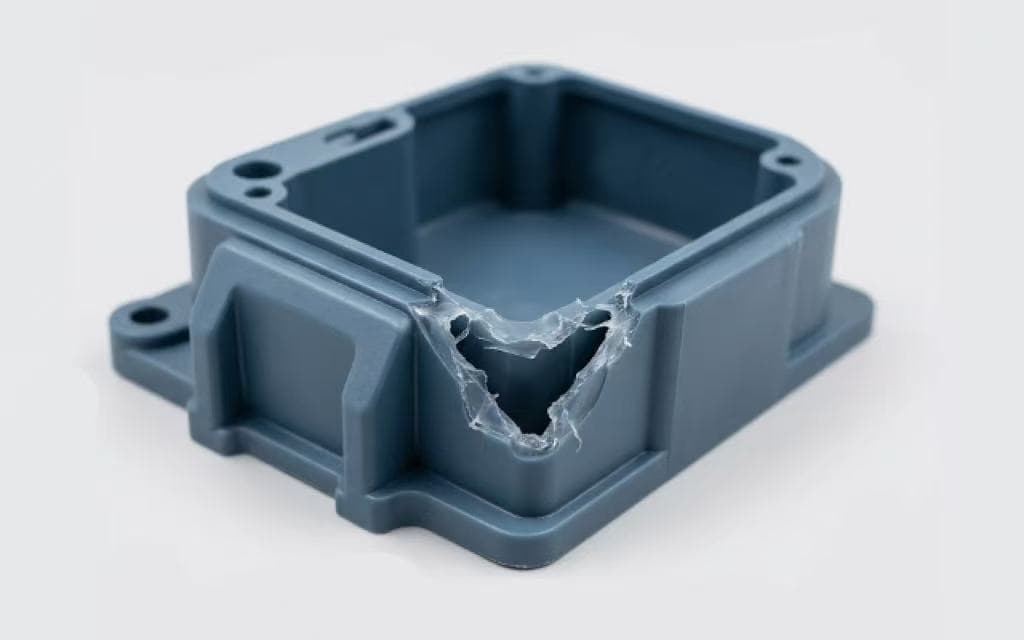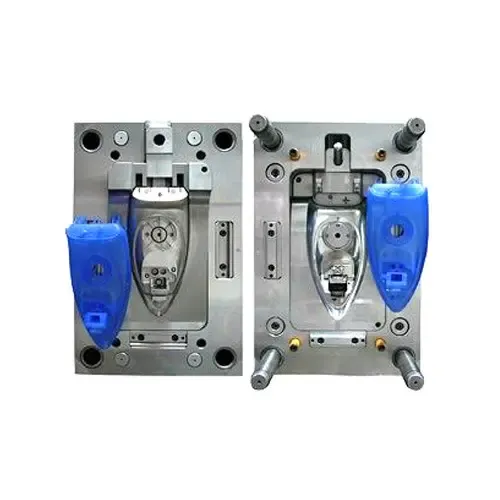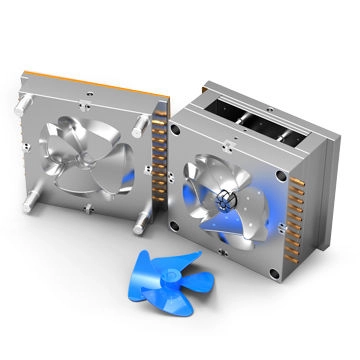

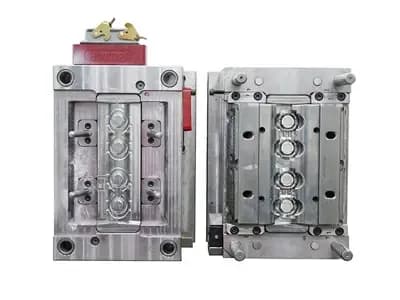
Controlling upfront injection molding tooling cost requires balancing product geometry, mold material selection, and processing parameters before cutting any steel. When engineering teams or procurement managers receive a high mold quotation, the expense is typically driven by complex mold mechanics, tight tolerances, and intensive machining hours rather than the cost of the plastic resin itself. By understanding the core cost breakdown and applying systematic design and procurement strategies, you can significantly lower your upfront tooling investment without compromising part performance.
The High Cost of Injection Molds: What Actually Drives Tooling Investment?
Understanding the injection mold cost breakdown requires looking at where manufacturing hours and material expenses are allocated. Tooling investment—often referred to as non-recurring engineering (NRE) or capital expenditure (CapEx)—is determined by several distinct elements:
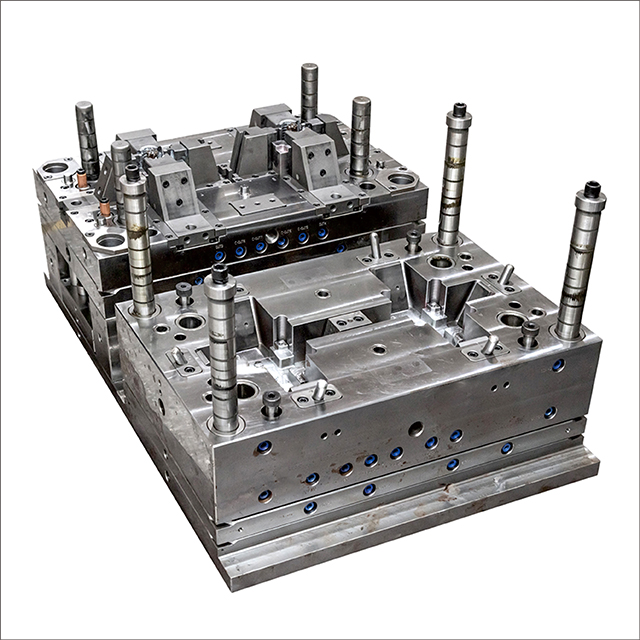
- Mold Base and Steel Selection: The size of the mold base and the grade of steel chosen for the core and cavity account for a major portion of the raw material budget.
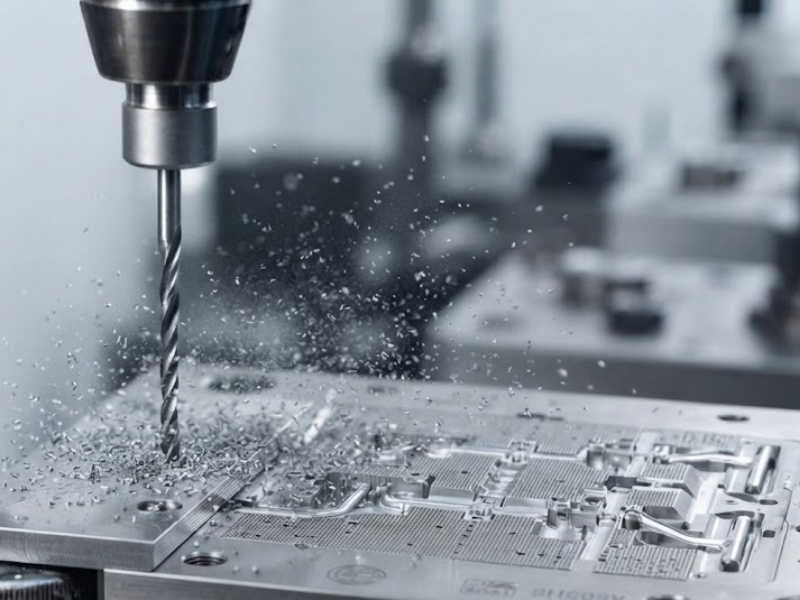
- Machining and Labor Hours: Complex geometries require extensive CNC milling, electrical discharge machining (EDM), and manual bench fitting or optical polishing.
- Molding Mechanics: Features like undercuts require moving components such as sliders, lifters, or collapsible cores, which add considerable design and machining complexity.
- Sampling and Trial Runs: Initial sampling runs, dimensional validation, and tryout adjustments add engineering labor and machine time.
By focusing on design optimizations and strategic tooling choices, manufacturing teams can minimize these labor and material drivers.
1. Optimize Part Design (DFM) to Eliminate Expensive Tooling Features
Part design choices directly dictate how complex the mold machining process must be. Collaborating with a professional plastic mold fabrication
provider for early design for manufacturability (DFM) feedback helps eliminate costly features before tool steel is ordered.
- Eliminating Undercuts: Undercuts require side-actions, sliders, or internal lifters. Redesigning part walls or re-orienting features can often remove undercuts entirely, replacing complex sliding mechanisms with simple straight-pull tooling.
- Wall Thickness and Draft Angles: Maintaining uniform wall thickness prevents sink marks and warping, while applying sufficient draft angles ensures smooth ejection and reduces wear on mold surfaces.
- Rationalizing Tolerances: While tight tolerance injection molding is essential for high-precision components, specifying tight tolerances on non-critical functional surfaces drives up EDM and grinding hours unnecessarily.
Leveraging rapid prototyping
and early 3D printing
allows teams to test fit, form, and function before committing to production steel tooling.
2. Match Mold Materials and Cavitation to Production Volume
Selecting the correct grade of steel or alloy and determining the optimal number of cavities prevents over-engineering the mold for low-volume requirements.
- Tool Steel Grades vs. Aluminum: For low-volume production or rapid market testing, using pre-hardened steels or aluminum molds can reduce initial tooling expenses compared to fully hardened tool steels designed for millions of cycles.
- Cavitation Strategy: Single-cavity molds reduce upfront tooling costs but increase per-part cycle costs. Multi-family molds or higher cavitation should be evaluated against projected annual volumes and total project return on investment (ROI).
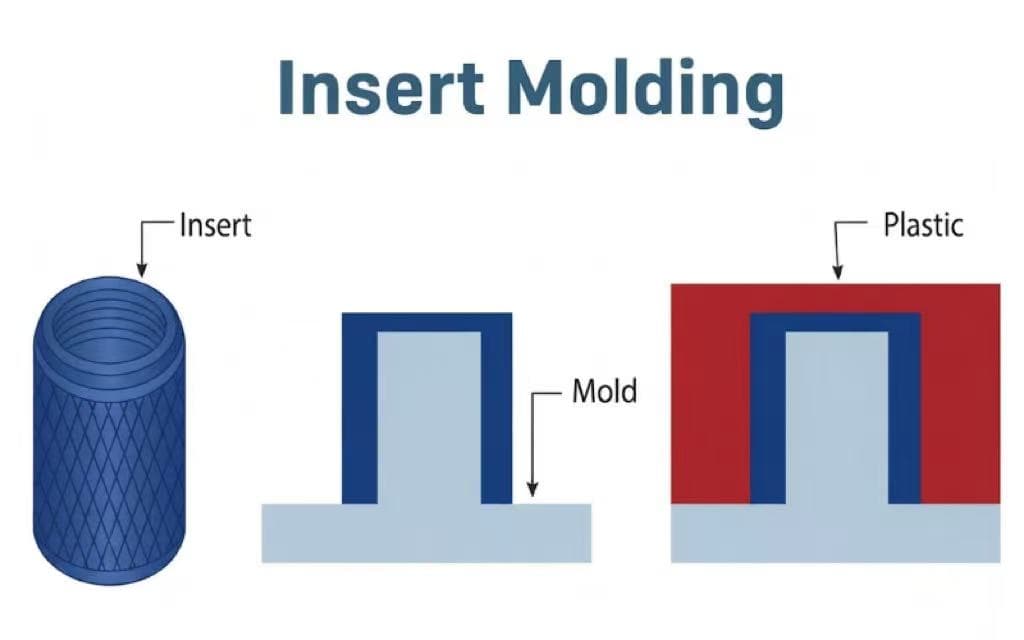
- Modular Tooling Systems: Utilizing master unit die (MUD) frames and interchangeable mold inserts allows manufacturers to reuse standard mold bases across multiple product iterations, significantly reducing replacement tooling costs.
3. Simplify Tooling Mechanics, Surface Finishes, and Cosmetic Requirements
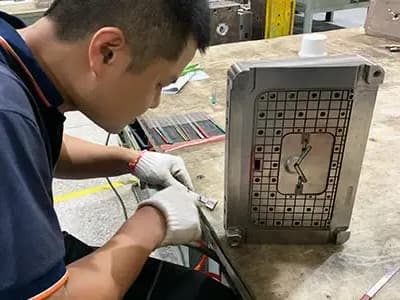
Refining the functional requirements of the molded component helps control unnecessary machining time.
- Cold Runner vs. Hot Runner Systems: Cold runner molds generally feature lower initial tooling investments and are well-suited for smaller production runs or commodity polymers, whereas hot runner systems reduce material waste and cycle times for high-volume production.
- Surface Finishes and Textures: High-gloss optical finishes (such as SPI A-2) require meticulous, time-consuming manual polishing by skilled toolmakers. Specifying standard EDM textures or matte finishes (such as SPI B or C grades) where high gloss is not functionally required lowers finishing labor costs.
4. Validate Designs Early: Prevent Expensive Tooling Revisions
Modifying an injection mold after steel has already been cut is one of the most expensive pitfalls in product development.
- Prototyping Iterations: Producing physical prototypes via additive manufacturing or CNC machining confirms mechanical fit and catches design flaws before tooling fabrication begins.
- Mold Flow Analysis: Utilizing computer-aided engineering (CAE) mold flow simulations predicts how molten plastic will fill the cavity, identifying potential weld lines, air traps, and sink marks so gating locations can be optimized in the digital phase.
5. Partner with an Engineering-Driven Manufacturer for Long-Term Value
Choosing the right manufacturing partner ensures that cost-reduction strategies align with strict industrial standards. A qualified supplier should offer comprehensive DFM reviews, robust quality management systems—such as ISO 13485 and ISO 9000 certified quality systems.
—and adherence to material standards like UL specifications. Additionally, clear intellectual property (IP) protection, transparent communication, and rapid turnaround capabilities help minimize project delays and administrative overhead.
Key Takeaways
- Upfront tooling costs are primarily driven by mold complexity, machining hours, steel grades, and tight tolerances rather than material expenses alone.
- Optimizing part design through DFM practices removes the need for expensive side-actions and complex mold mechanisms.
- Matching tool steel grades and cavitation to actual production volume prevents over-engineering expenses.
- Early design validation using prototyping and simulation prevents costly post-machining tool modifications.
- Partnering with an experienced, quality-certified manufacturer ensures engineering support and transparent project execution.
FAQ
- What factors influence custom injection mold pricing the most?Tool pricing is primarily driven by part geometry complexity, cavity count, the type of tool steel chosen, required surface finish grades, and whether side-actions or lifters are necessary to form undercuts.
- Can aluminum molds be used for production plastic injection molding?Aluminum molds are frequently used for prototyping or low-to-medium volume runs because they machine faster and cost less than hardened steel, though their lifespan is shorter.
- How does mold cavitation affect upfront tooling budgets?Single-cavity molds have lower initial tooling costs but higher per-part cycle times, whereas multi-cavity molds require higher upfront investments that are amortized over large production volumes.
- What is the purpose of a DFM review before tooling fabrication?A DFM review evaluates part geometry, draft angles, wall thickness, and gate locations to ensure the part can be molded efficiently while avoiding costly tool modifications later.
Contact GoodTech for technical support
Ready to lower your upfront tooling costs without compromising part quality? Send your 3D CAD files to GoodTech today for a comprehensive, confidential DFM review and an optimized tooling quotation. Request a Free DFM & Tooling Quote