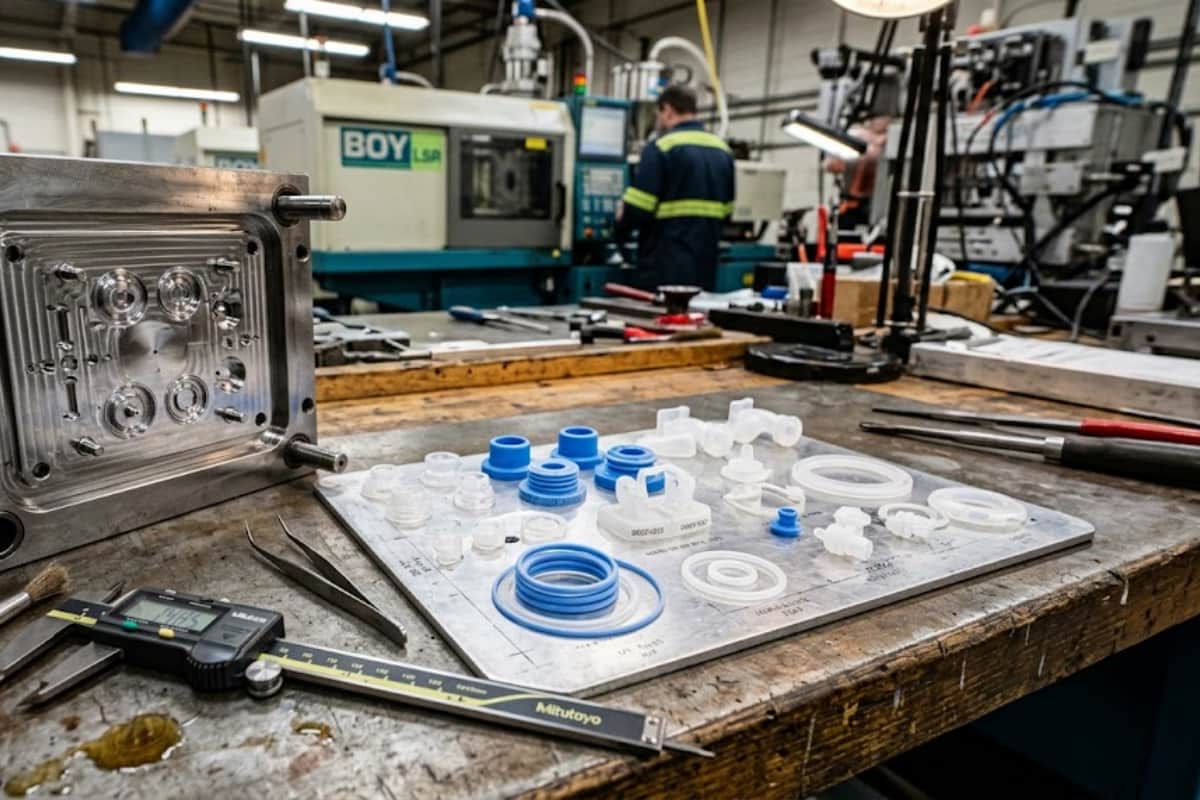

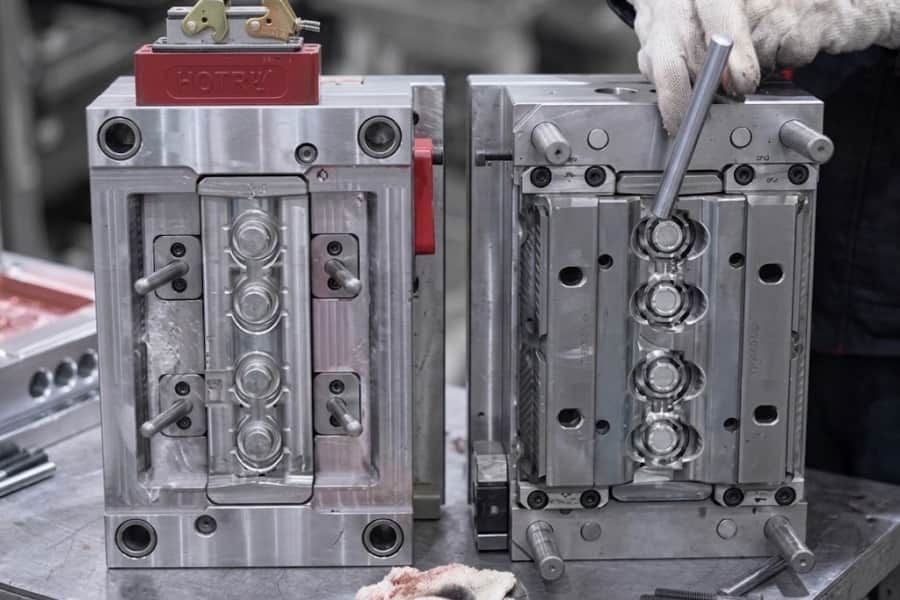
Injection molding cost depends on much more than plastic material prices. Mold complexity, part geometry, material selection, production volume, cycle time, tolerances, surface finish, and secondary operations can all affect the final price of molded plastic parts.
For purchasing managers and engineers, the best way to evaluate injection molding cost is to separate one-time tooling costs from recurring production costs. A simple mold may reduce the initial investment, while a more optimized mold may reduce the cost per part during high-volume production.
This guide explains the main factors affecting injection molding cost and shows how buyers can reduce total manufacturing cost without compromising essential product requirements.
What Makes Up Injection Molding Cost?
An injection molding project normally includes several cost categories:
| Cost Category | Main Cost Drivers |
|---|---|
| Mold and tooling | Complexity, cavities, mechanisms, machining |
| Plastic material | Resin type, part weight, additives |
| Machine time | Cycle time, machine requirements |
| Labor | Handling, inspection, assembly |
| Secondary operations | Machining, trimming, finishing, assembly |
| Quality control | Tolerances, inspection, documentation |
The actual cost structure varies by project. A low-volume prototype, for example, has different economics from a high-volume production component.
For this reason, buyers should evaluate total project cost rather than comparing only the quoted unit price.
GoodTech provides plastic injection molding services for projects that require custom molded plastic components and production tooling.
1. Mold Complexity and Tooling Cost
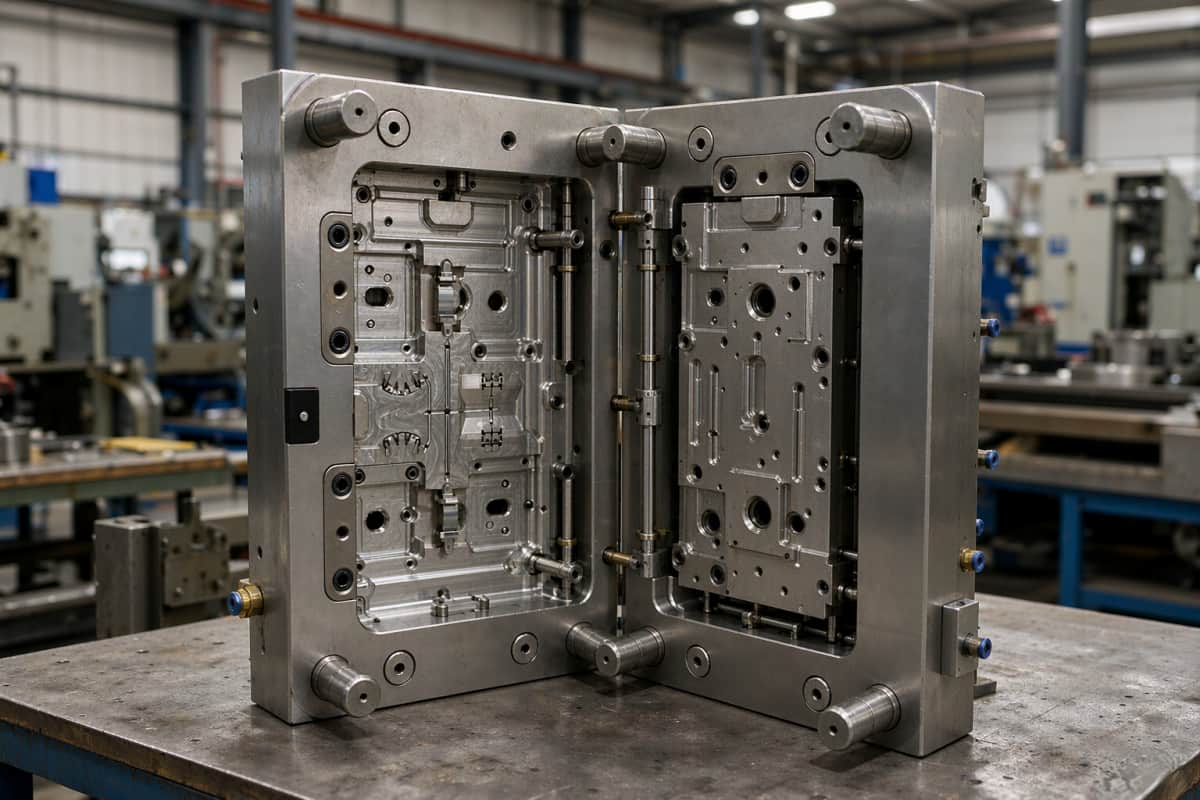
Tooling is often one of the largest upfront expenses in an injection molding project.
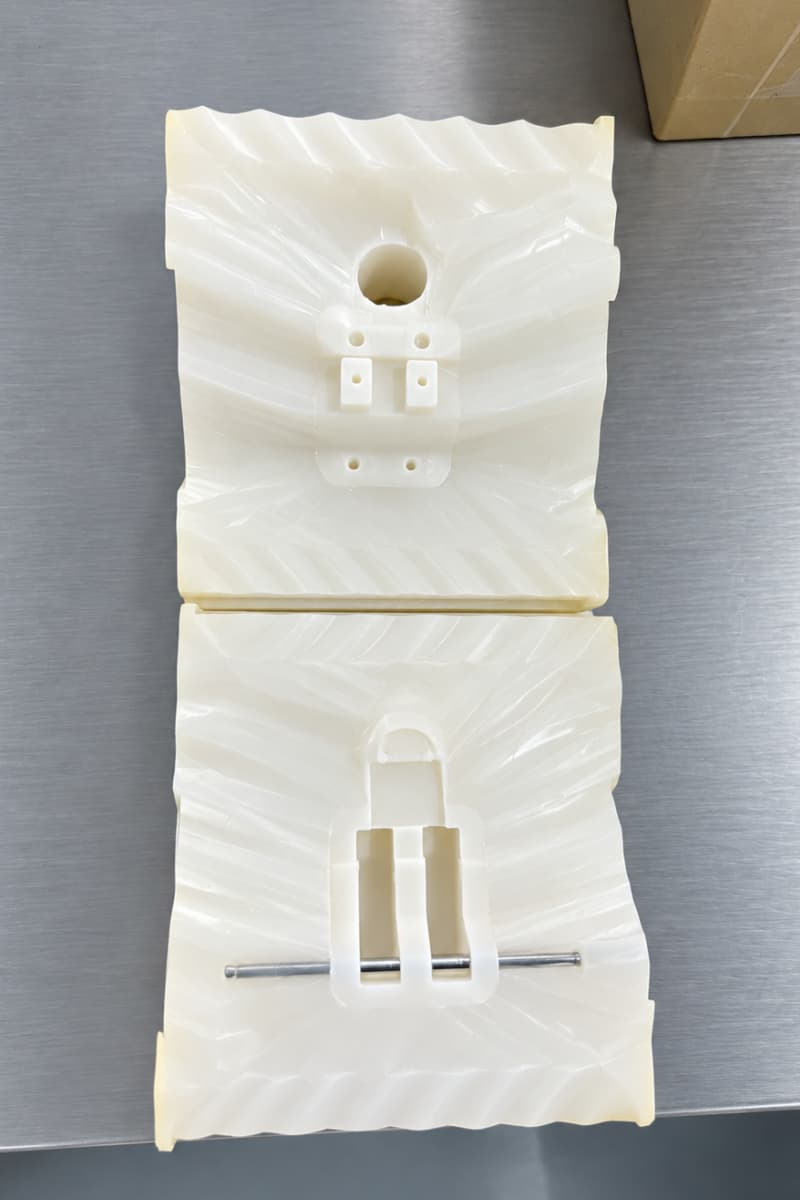
A simple part may use a relatively straightforward mold. More complex parts can require additional components such as:
- Slides
- Lifters
- Inserts
- Complex ejection systems
- Specialized cooling arrangements
- Additional machining
How Undercuts Affect Mold Cost
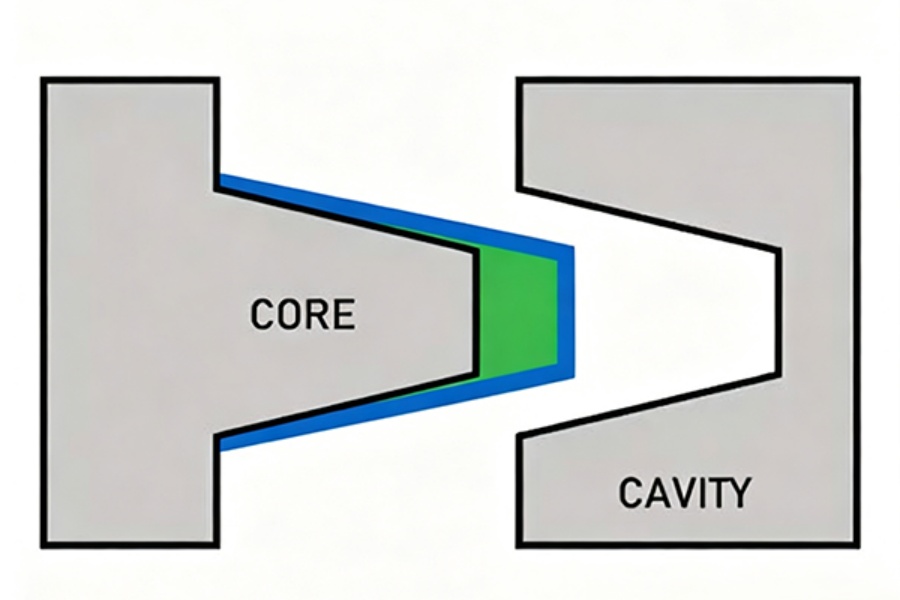
Undercuts prevent a part from being removed directly along the main mold-opening direction. Depending on the geometry, they may require slides, lifters, or other mechanisms.
These features can increase:
- Mold construction complexity
- Machining requirements
- Assembly requirements
- Maintenance considerations
When possible, simplifying unnecessary undercuts can reduce tooling complexity.
A design review with a supplier before tooling begins can identify these cost drivers early. GoodTech’s plastic mold fabrication service is relevant when evaluating the tooling side of a project.
2. Part Geometry and Product Design
Part design has a direct influence on injection molding cost. Many manufacturing costs can be reduced before the mold is even built.
Important design factors include:
Part Size
Larger components may require more plastic material, larger molds, and different machine requirements.
Wall Thickness
Wall thickness affects material consumption, filling, cooling, shrinkage, and dimensional stability. Large variations in thickness can create additional processing challenges.
Draft Angles
Adequate draft helps the molded part release from the mold. Poor draft can make ejection more difficult and may increase the risk of surface damage.
Ribs, Bosses, and Undercuts
These features can provide important structural or assembly functions, but unnecessary complexity can increase tooling costs.
A useful design-for-cost review asks:
- Is every complex feature necessary?
- Can the geometry be simplified?
- Can an undercut be eliminated?
- Are tight tolerances limited to critical dimensions?
- Can the part be molded without unnecessary mechanisms?
3. Material Selection and Material Cost
Material is another major component of plastic injection molding cost.
Different plastics have different material prices and processing characteristics. Commodity plastics may be suitable for cost-sensitive applications, while engineering plastics may be selected when higher mechanical, thermal, chemical, or dimensional performance is required.
Material selection can affect:
- Resin cost
- Part weight
- Processing conditions
- Shrinkage
- Dimensional stability
- Surface appearance
- Tooling considerations
The lowest-cost resin is not necessarily the lowest-cost solution if it does not meet the application’s requirements.
The material should therefore be selected according to the required performance rather than price alone.
4. Production Volume and Cost Per Part
Production volume has a major effect on injection molding economics.
Tooling is generally a front-loaded investment. As more parts are produced, the tooling cost can be distributed across a larger number of components.
| Production Situation | Main Cost Priority |
|---|---|
| Prototype / low volume | Control upfront tooling |
| Medium volume | Balance tooling and unit cost |
| High volume | Optimize output and recurring cost |
For low-volume production, a simpler tooling strategy may be more economical.
For high-volume production, additional tooling investment may make sense if it improves output per cycle or reduces recurring production cost.
The correct decision depends on expected annual volume, product lifecycle, forecast confidence, and target unit cost.
For early-stage products, rapid prototyping can help validate designs before production tooling is committed.
5. Mold Cavities and Production Efficiency
Cavity count is closely connected to production volume.
A single-cavity mold produces one part per cycle, while a multi-cavity mold can produce several parts during the same cycle.
More cavities can increase tooling investment and complexity, but they may also increase production output.
The decision should therefore consider:
- Expected production volume
- Required output
- Tooling investment
- Product lifecycle
- Target unit cost
The lowest-cost mold is not always the lowest-cost production solution.
6. Cycle Time and Machine Requirements
Recurring production cost is also influenced by cycle time.
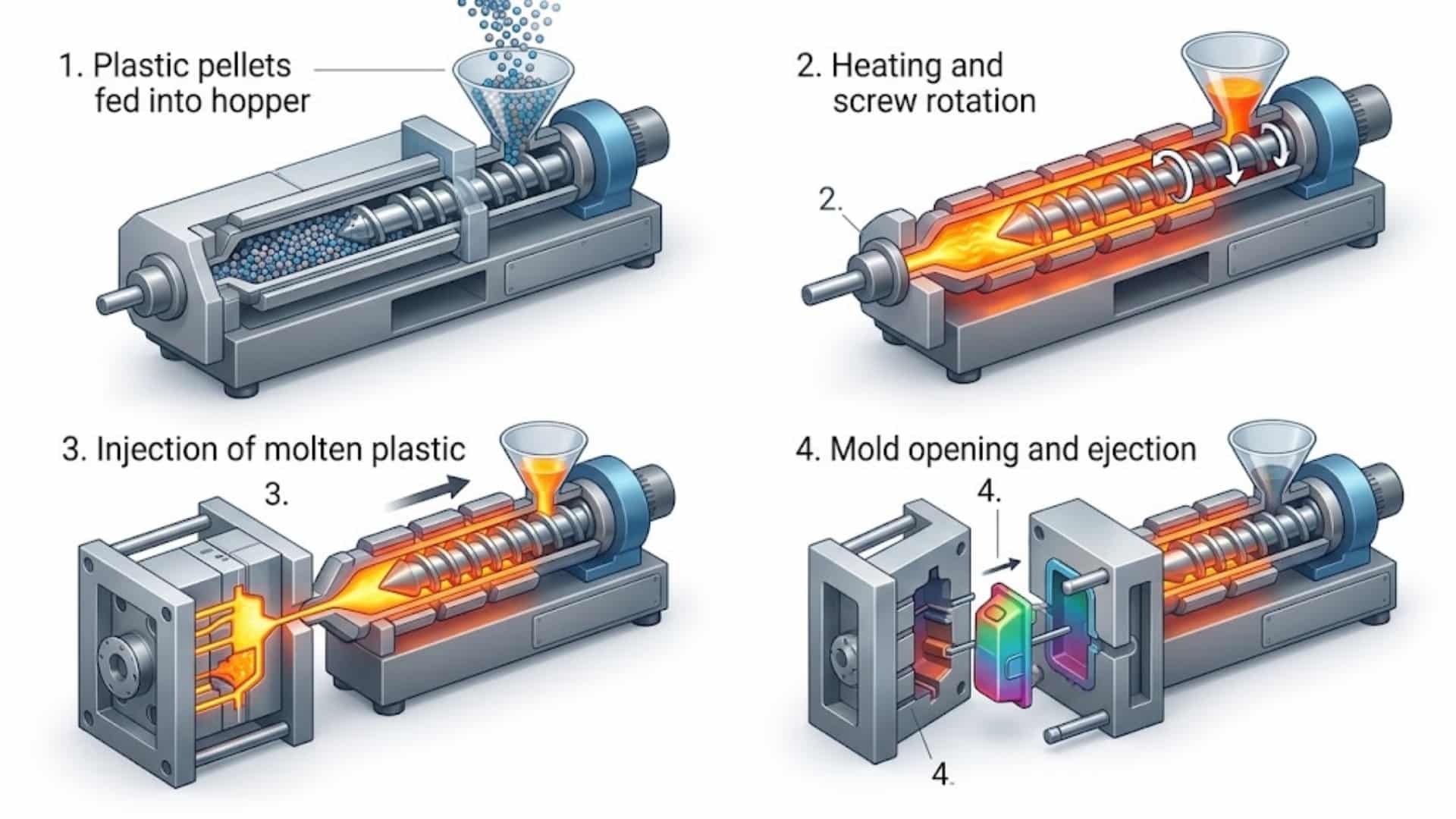
A molding cycle can include:
- Filling
- Holding or packing
- Cooling
- Mold opening
- Ejection
Cooling time can be particularly important because the part must reach a suitable condition for ejection.
Cycle time depends on factors such as:
- Material
- Wall thickness
- Part geometry
- Mold temperature control
- Machine configuration
- Processing conditions
Machine requirements also depend on part size, projected area, mold dimensions, material, and production requirements.
Reducing unnecessary cycle time can lower recurring machine costs, but process changes must still maintain required part quality.
7. Precision, Surface Finish, and Quality Requirements
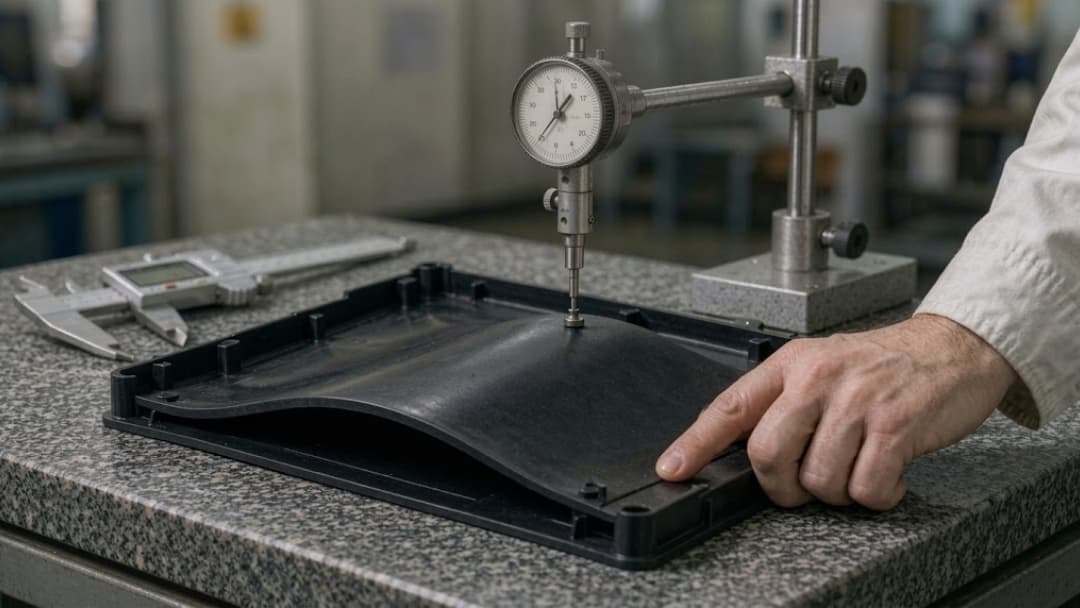
Precision injection molding can require greater manufacturing and inspection effort when a part has tight tolerances or demanding appearance requirements.
Tight Tolerances
Tight tolerances may increase:
- Mold machining requirements
- Process control
- Dimensional inspection
- Quality management
A practical approach is to apply tight tolerances only where they affect function, assembly, sealing, or performance.
Surface Finish
Polished, textured, or highly cosmetic surfaces can require additional mold preparation and process control.
Buyers should clearly define appearance requirements before requesting quotations.
Quality Control
Quality requirements can also affect cost. Buyers should confirm:
- Critical dimensions
- Inspection methods
- Visual acceptance criteria
- Required documentation
- Functional testing requirements
GoodTech’s quality system can be reviewed when evaluating quality-related manufacturing considerations.
8. Secondary Operations and Finished-Part Cost
The injection molding price may not represent the complete finished-part cost.
Depending on the design, additional processes may include:
- Trimming
- Machining
- Assembly
- Insert installation
- Printing
- Surface finishing
- Additional inspection
When comparing supplier quotations, confirm which operations are included.
A lower molding price can become less attractive if important secondary processes are quoted separately.
9. How to Reduce Injection Molding Cost
The most effective cost reductions often begin during product design.
Cost Optimization Checklist
- Simplify unnecessary geometry.
- Eliminate unnecessary undercuts.
- Avoid excessive wall-thickness variation.
- Select material according to actual performance requirements.
- Apply tight tolerances only to critical features.
- Match cavity count to production volume.
- Minimize unnecessary secondary operations.
- Review manufacturability before tooling begins.
The objective is not simply to make the cheapest mold. It is to achieve the required part quality at the lowest practical total lifecycle cost.
10. How to Compare Injection Molding Supplier Quotes
Two suppliers can quote different prices because they may be using different assumptions.
Before comparing quotations, check:
| Quote Item | What to Confirm |
|---|---|
| Tooling | Mold structure and cavity count |
| Material | Resin type and grade |
| Part price | Production volume assumptions |
| Quality | Inspection requirements |
| Secondary operations | Included or excluded |
| Packaging | Included or excluded |
| Tool ownership | Contract terms |
Make sure suppliers are quoting the same part revision, material, volume, quality requirements, and tooling scope.
A lower quotation does not automatically represent a lower total cost.
Injection Molding Cost Decision Framework
A practical purchasing process can follow these steps:
Step 1: Define expected production volume.
Step 2: Review the part design for manufacturing complexity.
Step 3: Select the material according to application requirements.
Step 4: Identify critical tolerances and surface requirements.
Step 5: Evaluate mold complexity and cavity configuration.
Step 6: Estimate recurring costs such as material, machine time, labor, and secondary operations.
Step 7: Compare supplier quotations using the same assumptions.
Step 8: Select the solution based on total lifecycle cost rather than tooling price alone.
Injection Molding vs. Other Manufacturing Processes
Injection molding is not necessarily the most economical process for every project.
| Process | Typical Cost Consideration |
|---|---|
| Injection molding | Higher tooling investment with potential for efficient production at scale |
| CNC machining | Lower dedicated tooling requirements but recurring machining cost |
| 3D printing | Useful for prototypes and design iterations |
| Vacuum casting | Suitable for certain prototypes and small batches |
| Thermoforming | Suitable for specific sheet-based products |
| RIM | Suitable for selected component geometries and materials |
For prototypes, 3D printing or CNC machining may be considered before committing to production tooling.
Frequently Asked Questions
How much does injection molding cost?
There is no universal price. Injection molding cost depends on tooling, material, part geometry, production volume, cycle time, quality requirements, and secondary operations.
What is the biggest factor affecting injection molding cost?
The most significant factor varies by project. Tooling complexity may dominate a low-volume project, while recurring production costs may become more important for high-volume manufacturing.
How can I reduce injection molding cost?
Start with design. Simplifying geometry, reducing unnecessary tooling mechanisms, selecting an appropriate material, controlling tolerances, and matching cavity count to production volume can all help control cost.
Does production volume affect injection molding cost?
Yes. Higher production volumes can distribute tooling investment across more parts and may justify tooling designed for higher production output.
Why do injection molding suppliers quote different prices?
Suppliers may use different assumptions about mold construction, material, cavity count, production volume, quality requirements, secondary operations, and packaging. Quotes should therefore be compared on an equivalent basis.
What information should I provide for an injection molding quotation?
Provide the part drawing or CAD model, material requirements, expected production volume, critical tolerances, surface requirements, and any secondary processing or quality requirements.
Key Takeaways
Injection molding cost is driven by the interaction between tooling, design, material, production volume, cycle time, quality requirements, and additional processing.
For buyers, the most effective approach is to evaluate the complete project rather than focus on a single number. A lower tooling price may not produce the lowest cost per part, while a higher initial investment can sometimes be justified by higher production efficiency.
The best time to control injection molding cost is before the mold is built. Reviewing geometry, material, tolerances, cavity configuration, and production volume early gives engineers and purchasing teams more opportunities to optimize the final cost.
Get a Project-Specific Injection Molding Cost Estimate
If you are planning a custom plastic manufacturing project, prepare your part design, material requirements, expected production volume, critical tolerances, and finishing requirements before requesting quotations.
Review GoodTech’s plastic injection molding services and request an injection molding quote when you are ready to evaluate your project.
The goal is not simply to find the lowest initial price, but to select a manufacturing strategy that balances tooling investment, part cost, quality, production volume, and total lifecycle cost.