
Introduction: The Foundation of Zero-Defect Custom Injection Molding
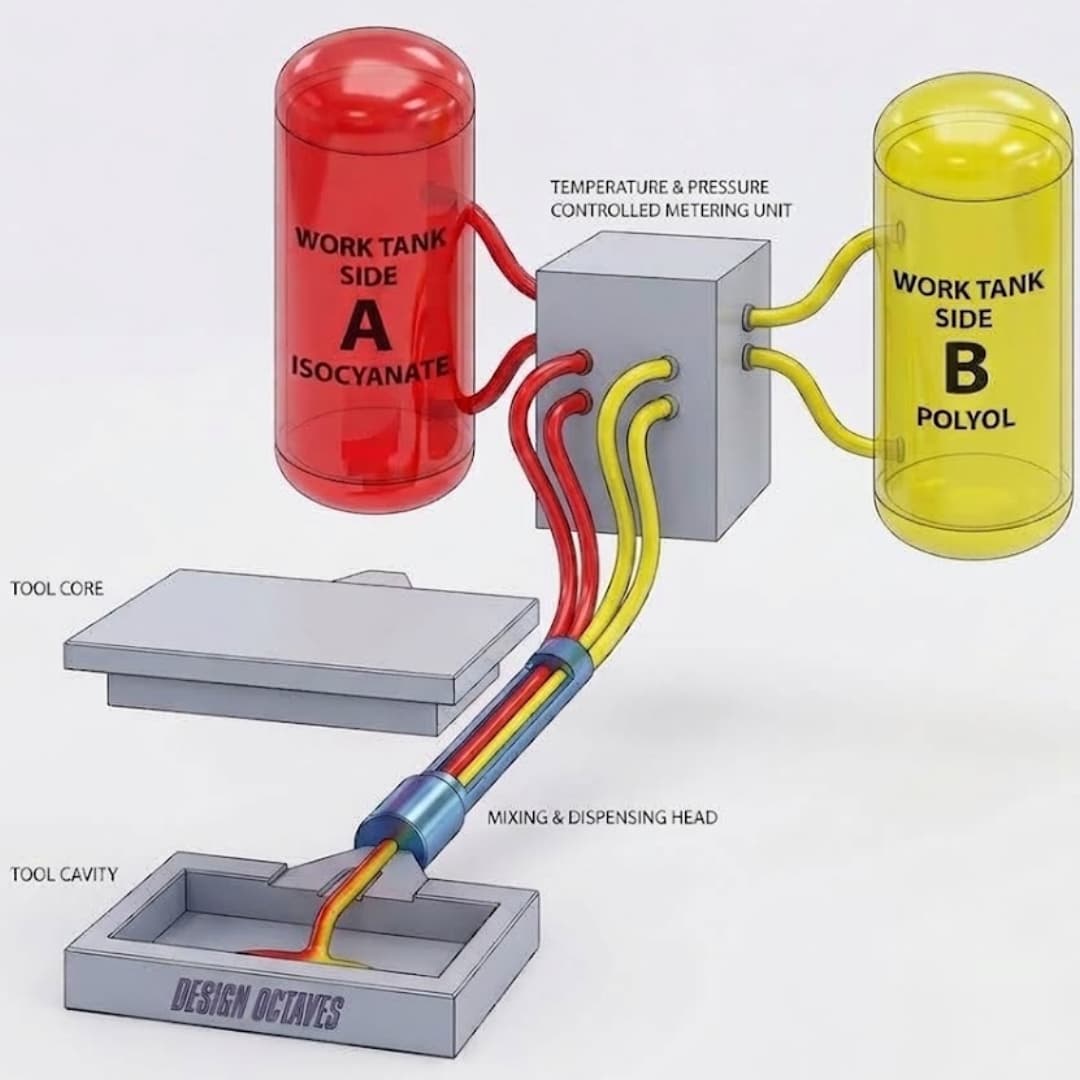
Mastering the creation of a zero-defect injection mold requires a strict engineering-driven approach that addresses potential geometric failures, thermal discrepancies, and material degradation before production tooling is cut. Procurement managers, industrial engineers, and manufacturing leads frequently encounter production bottlenecks, high scrap rates, and extended lead times when these critical front-end variables are overlooked. The primary factors influencing mold success include precise wall thickness distribution, strategic gate positioning, rigorous DFM validation, and matched polymer-tooling thermal dynamics. This technical guide explores the six core engineering elements required to optimize a custom injection mold, helping technical teams ensure seamless transition from prototype to mass production while enforcing strict injection molding quality control.
Element 1: Rigorous DFM (Design for Manufacturing) Analysis
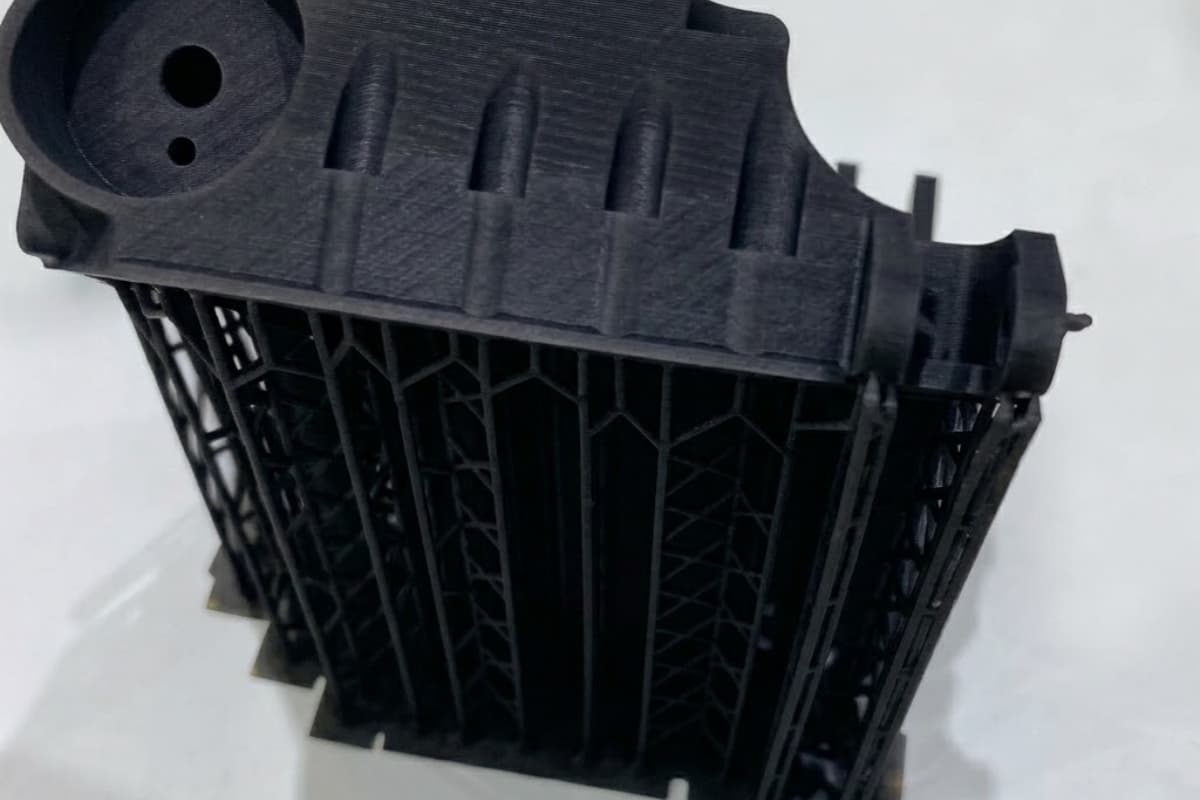
A comprehensive DFM injection molding evaluation serves as the definitive technical baseline to identify and correct geometric risks before physical machining begins. Evaluating part geometry early prevents structural weaknesses, aesthetic defects, and dimensional instability during the molding cycle. Engineers must review core design parameters to ensure that the molded component supports efficient material flow and reliable ejection without surface marring.
- Draft Angle Verification: Incorporating a minimum angular clearance of 0.5 to 1.5 degrees on vertical walls to facilitate clean part release and minimize tool wear.
- Wall Thickness Uniformity: Maintaining consistent cross-sections across ribs, bosses, and nominal walls to eliminate differential cooling rates that cause sink marks and internal stress.
- Undercut Minimization: Identifying required side-actions, lifters, or collapsible cores early in the review phase to streamline tool complexity and control tooling budgets.
Running an initial DFM review alongside preliminary rapid prototyping iterations allows engineering teams to validate functional fit and assembly clearance before committing to steel tooling for high precision injection molding.
Element 2: Strategic Material Selection and Thermoplastic Compatibility
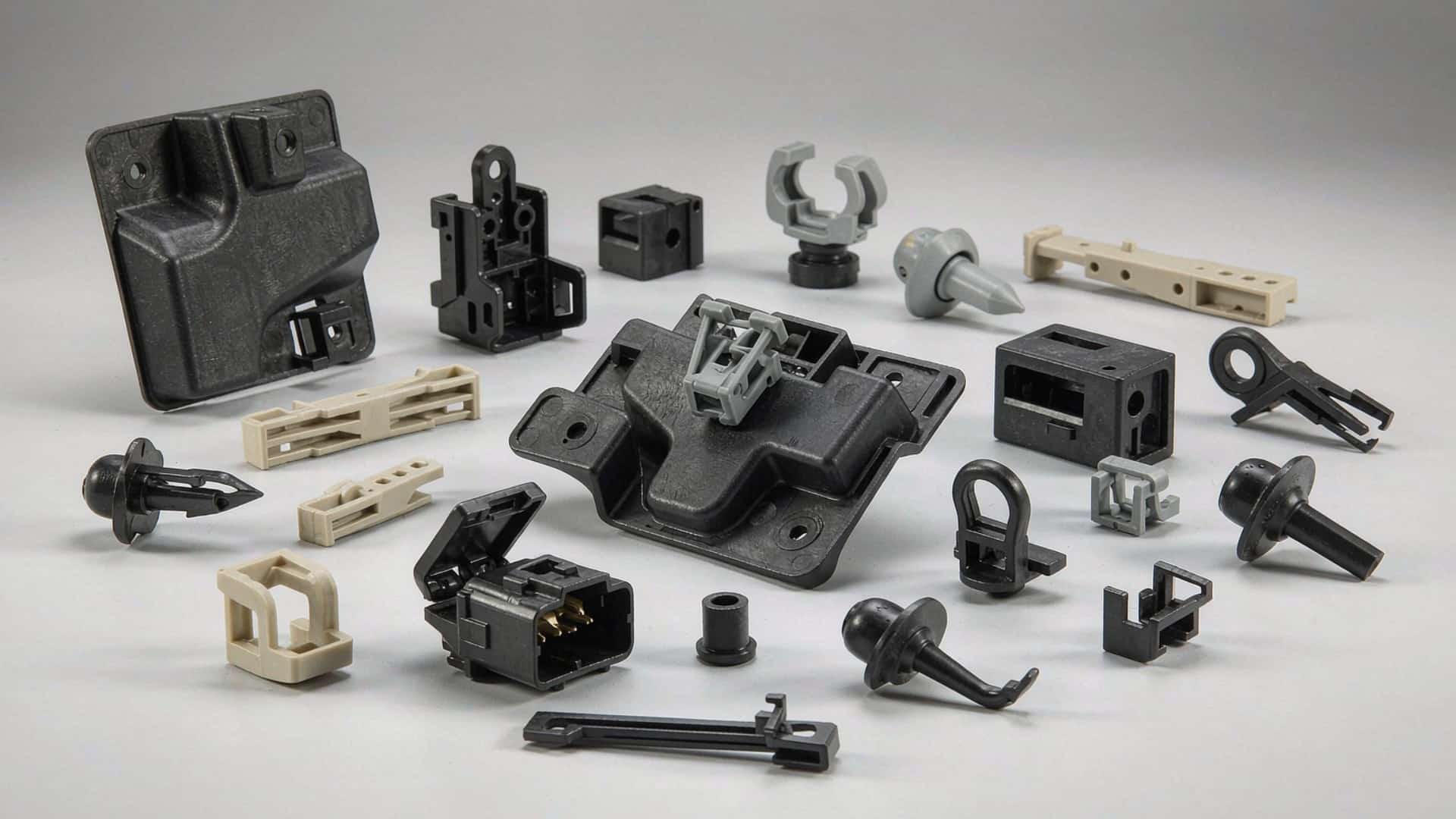
Selecting the appropriate polymer dictates both the functional performance of the final component and the physical specifications of the mold tooling. Whether processing commodity resins, engineering thermoplastics, or specialized high temperature plastic injection molding compounds such as PEEK, PSU, or PPS, the mold must be engineered to accommodate specific volumetric shrinkage rates and thermal expansion properties. Working closely with an experienced injection molding manufacturer ensures that the selected polymer aligns with the operational loads, chemical exposure, and thermal demands of the end-use application.
| Material Category | Representative Resins | Key Processing & Tooling Considerations |
| Commodity Plastics | ABS, PP, PE, PS | Low-to-moderate shrinkage, straightforward mold cooling, cost-effective tooling steels. |
| Engineering Plastics | PC, PA66, POM, PBT | Higher mold temperatures required, precise shrink-rate compensation, wear-resistant steel selection. |
| High-Performance Polymers | PEEK, PSU, PPS, LCP | Requires hardened tool steel, high mold temperatures exceeding 150°C, and specialized gas venting. |
Element 3: Precision Tooling and Rapid Tooling Optimization
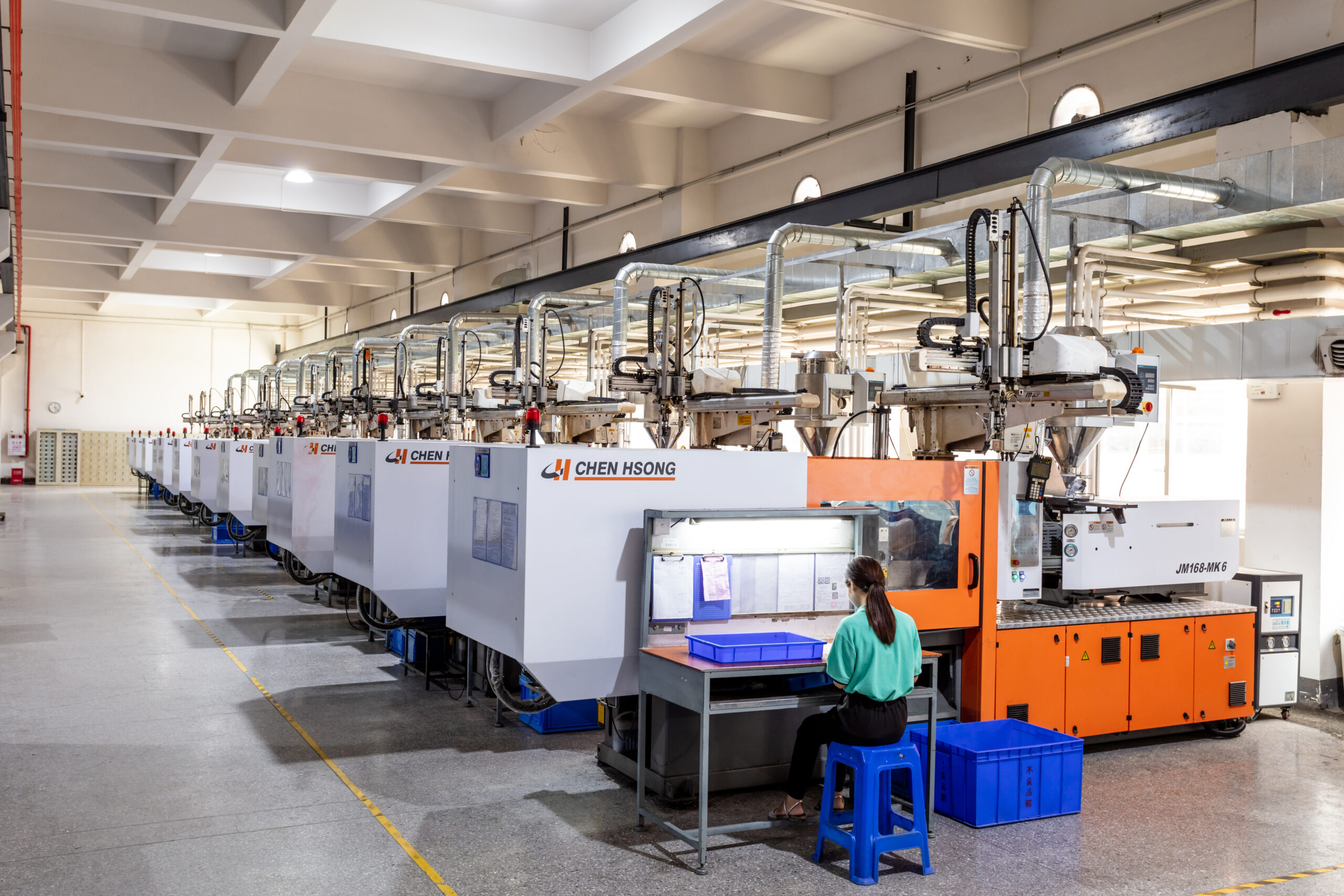
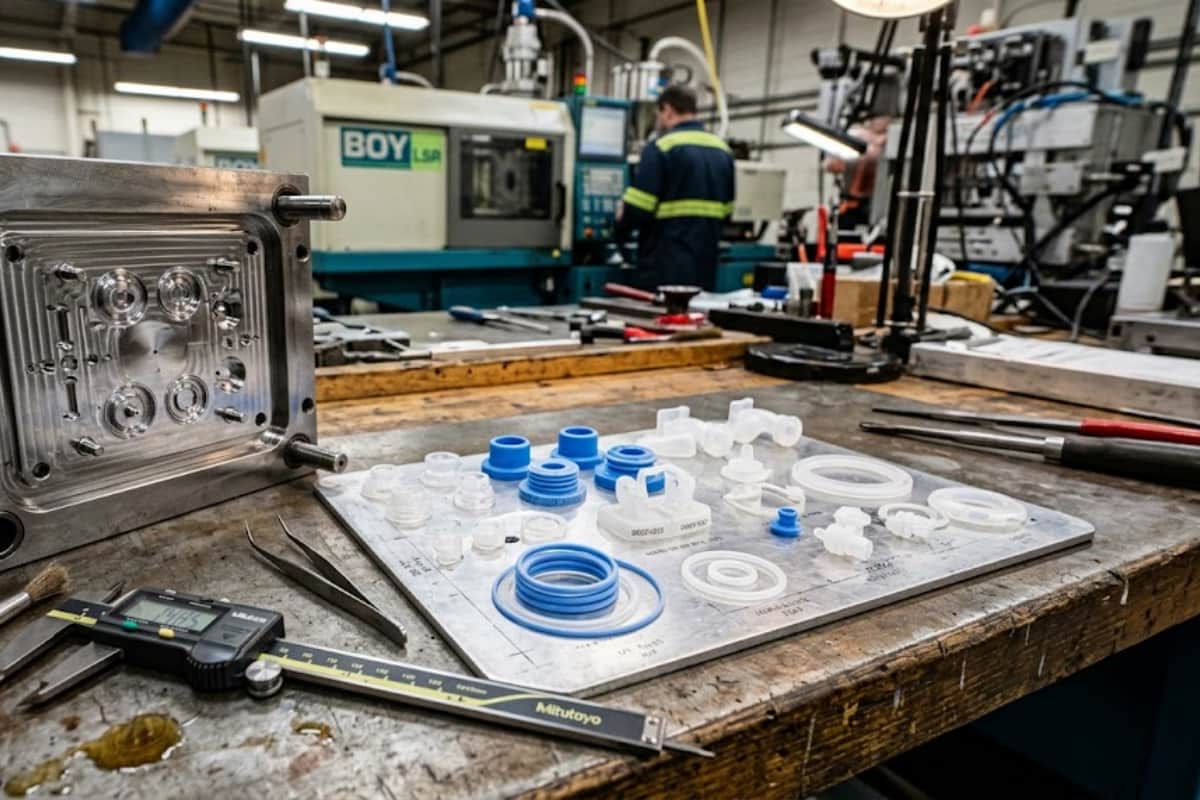
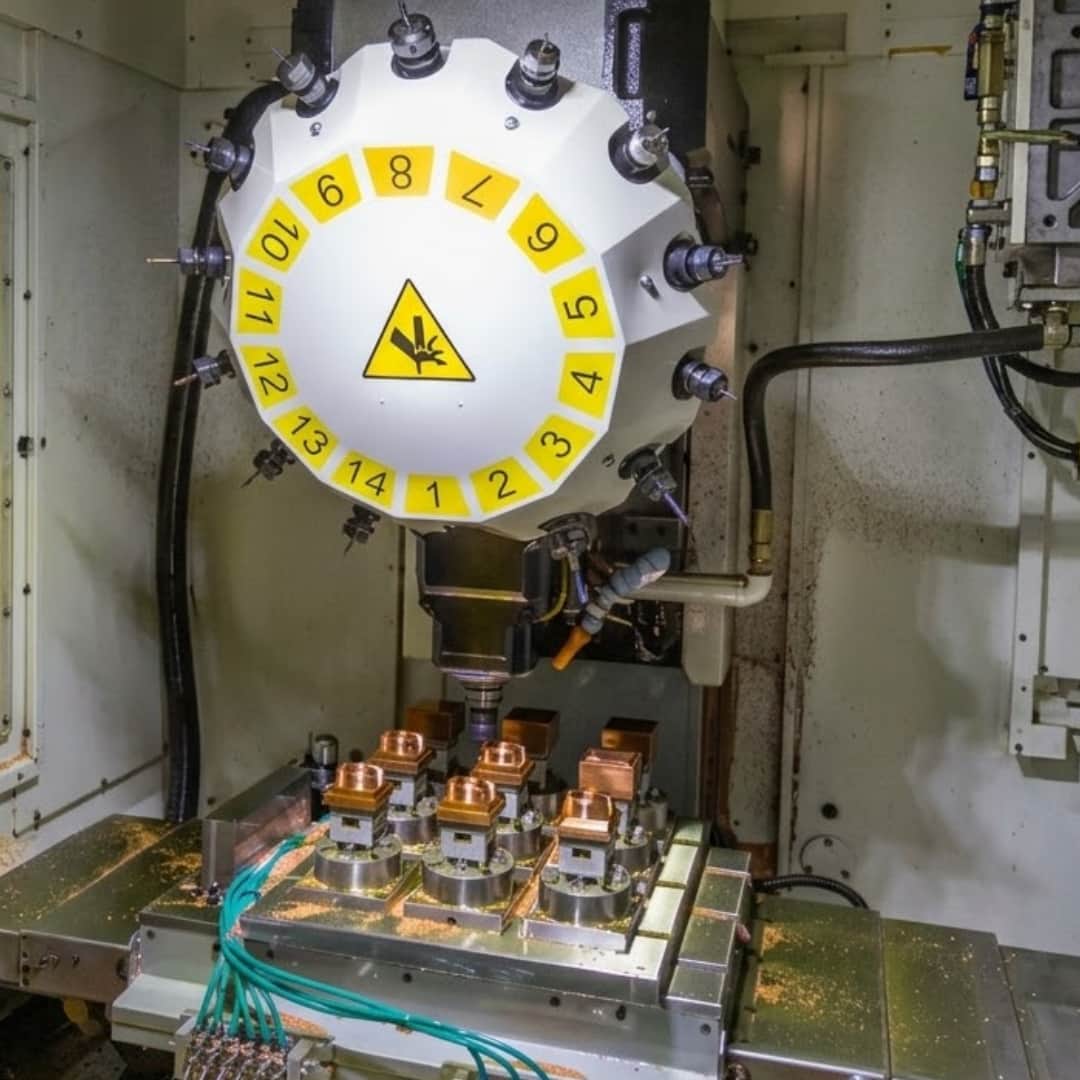
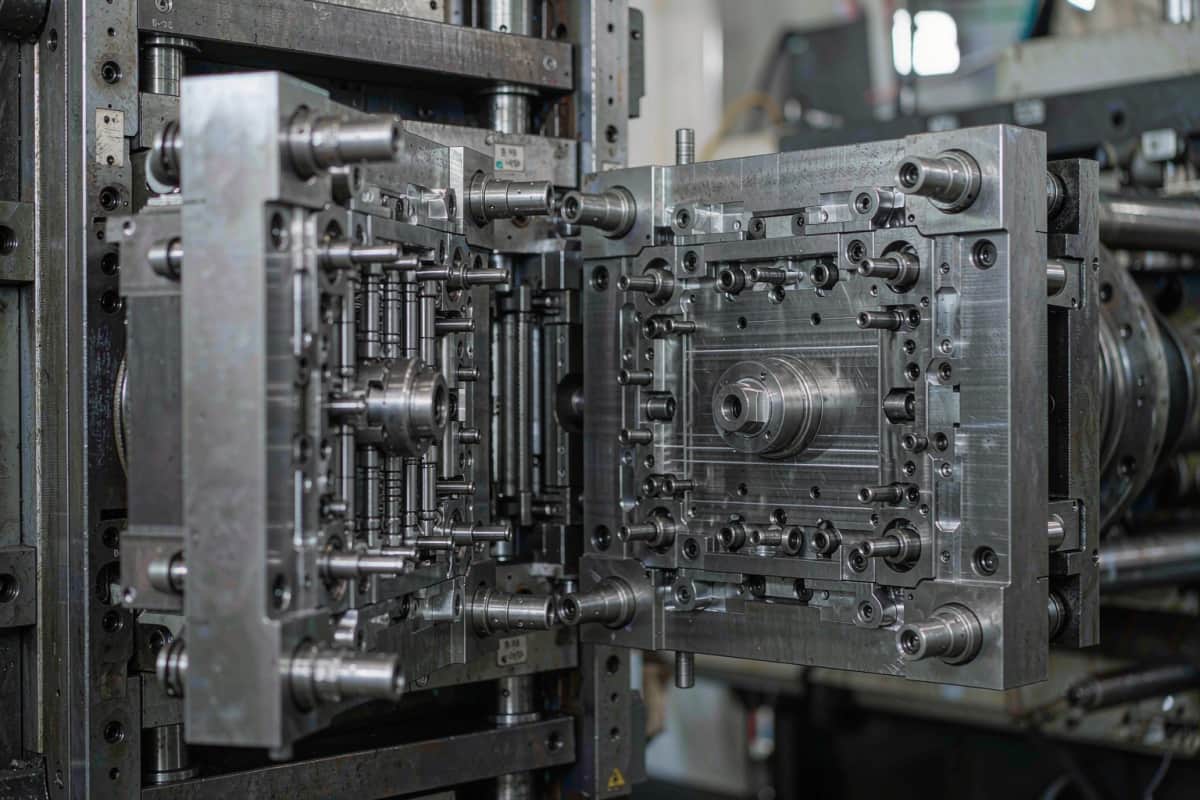
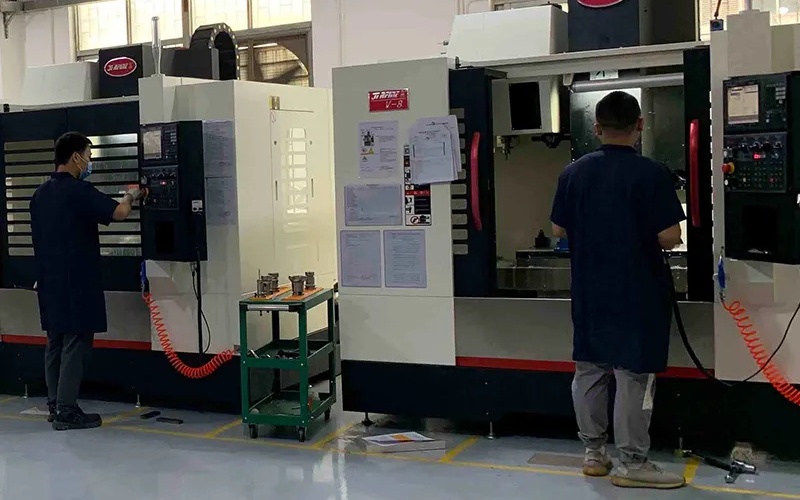
Balancing accelerated project timelines with long-term tool durability is essential for successful rapid tooling injection molding. Utilizing advanced multi-axis CNC machining, high-speed milling, and electrical discharge machining (EDM) allows toolmakers to achieve tight cavity tolerances down to micrometers. Integrating state-of-the-art quality equipment during final tool finishing ensures that core and cavity inserts maintain exact dimensional repeatability throughout high-volume production cycles.
- Tool Steel Selection: Specifying pre-hardened steels like P20 or H13 based on expected production volumes and abrasive filler content in the resin.
- High-Precision Machining: Executing pocket milling and intricate detail creation using high-speed CNC centers to maintain tight mechanical fits.
- Bench Finishing and Texturing: Applying SPI surface finishes or specific VDI cosmetic textures to match visual and functional requirements.
Element 4: Advanced Mold Flow Analysis for Gate and Runner Design
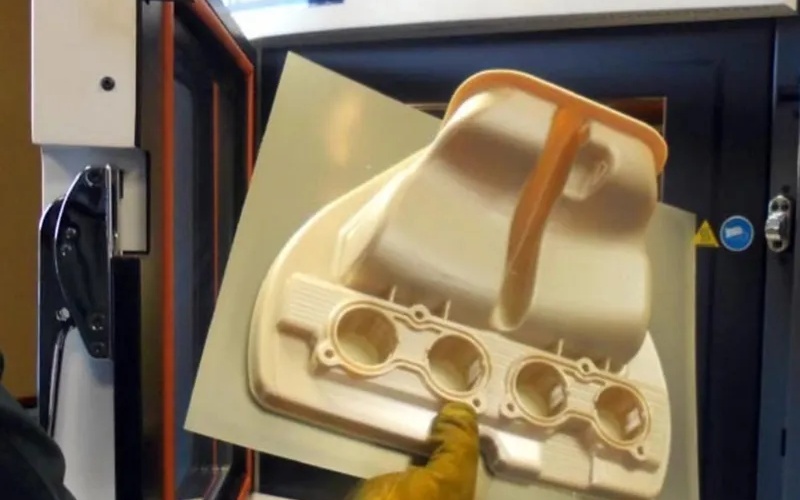
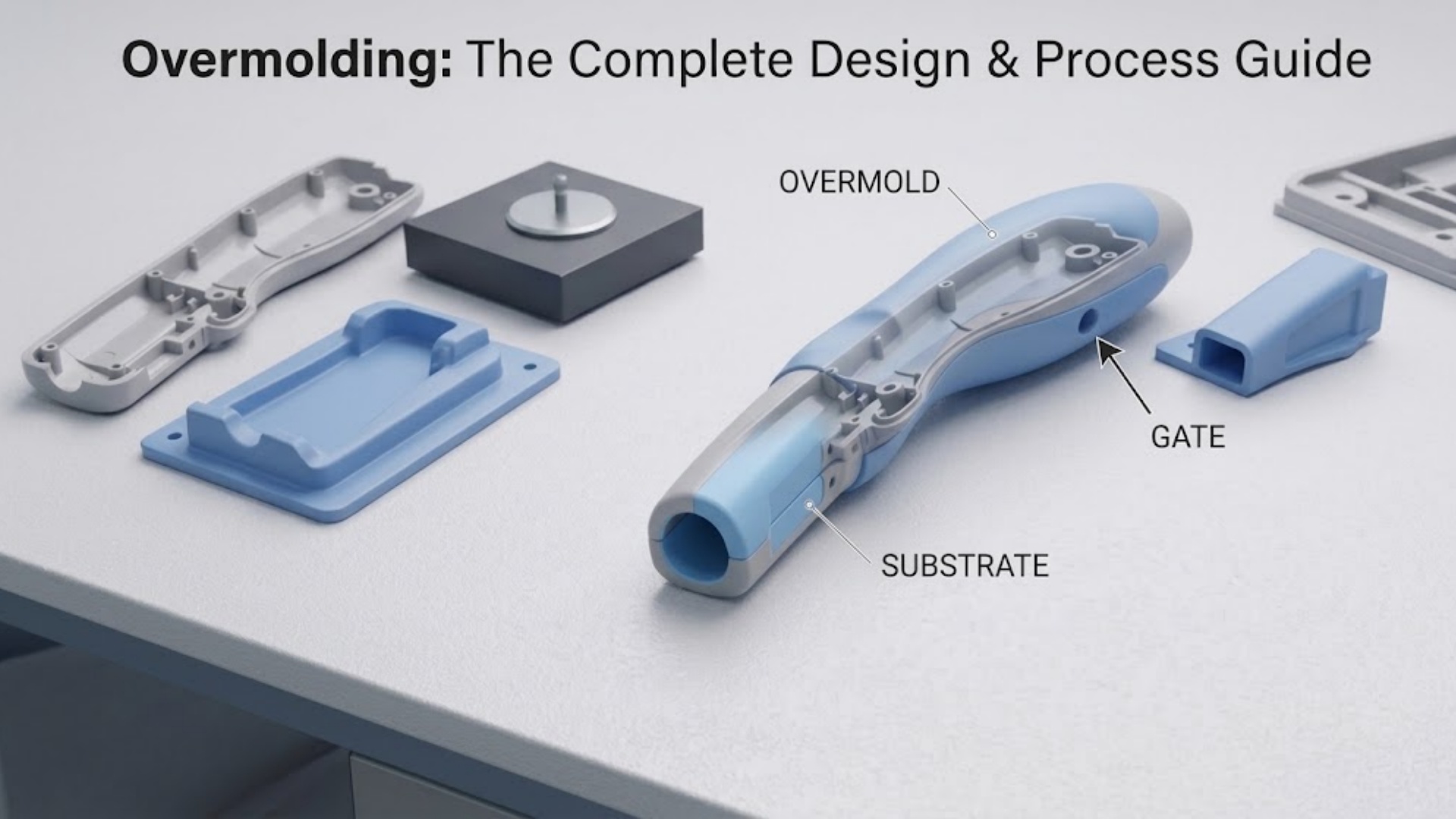
Virtual simulation software models the injection phase to predict how molten thermoplastic fills the mold cavity, helping engineers identify potential defects such as weld lines, air traps, and high shear stress zones before physical steel is modified. Strategic gate placement—whether edge, tunnel, sub-gate, or hot-runner drops—controls molecular orientation and prevents cosmetic blemishes on visible surfaces, directly supporting effective injection molding quality control and optimized DFM injection molding outcomes.
- Weld Line Placement: Directs structural knit lines away from high-stress mechanical load-bearing zones to maintain structural integrity.
- Air Trap Mitigation: Positions functional venting channels at terminal fill points to allow trapped gases to escape without burning the resin.
- Runner System Balance: Balances runner diameters and lengths to ensure simultaneous cavity filling in multi-cavity family molds.
Element 5: Comprehensive Injection Molding Quality Control Protocols
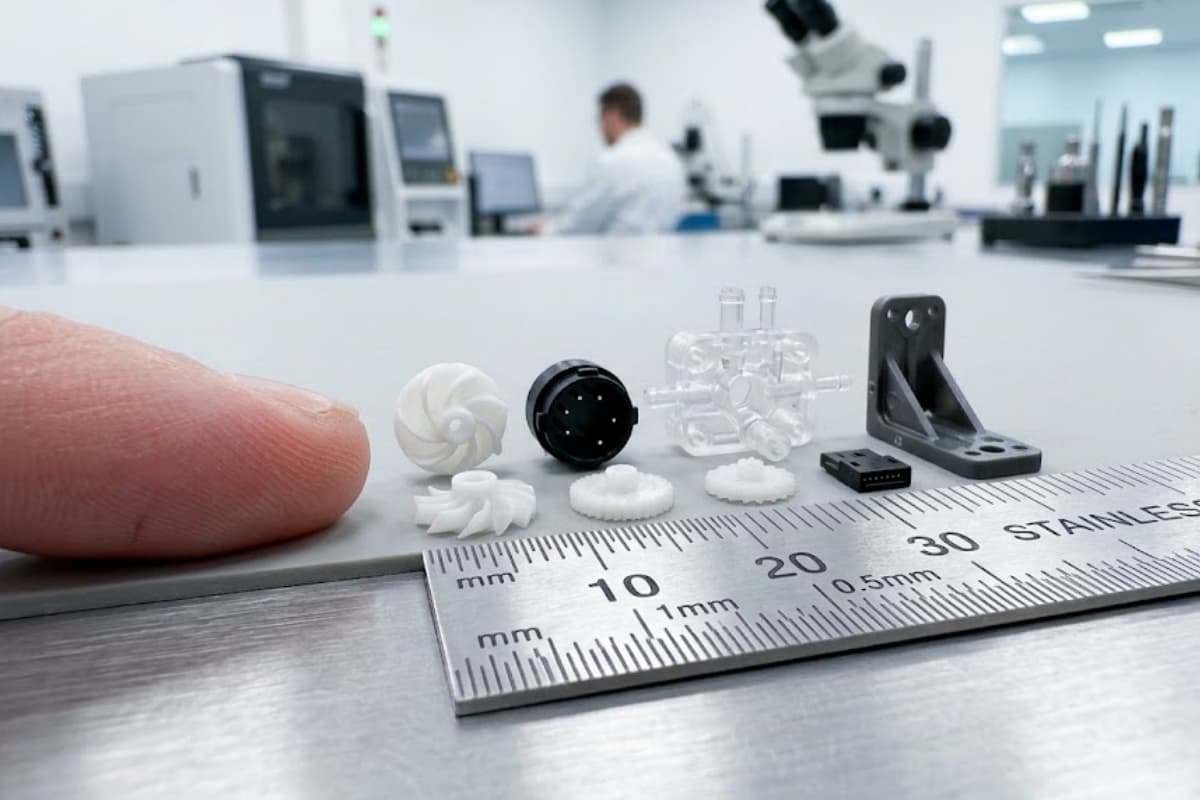
A structured quality management framework ensures defect-free production by establishing checkpoints from raw material receipt to First Article Inspection (FAI) and ongoing serial manufacturing. Verifying critical dimensions using Coordinate Measuring Machines (CMM) and optical non-contact scanners guarantees strict adherence to 3D CAD tolerances. Partnering with a certified injection molding manufacturer that implements a documented quality system ensures complete traceability, lot control, and consistent mechanical performance across every production batch.
Element 6: Secure Collaboration, IP Protection, and Expert ODM Services
Protecting proprietary designs and sensitive technical data is critical when managing outsourced manufacturing operations. Comprehensive ODM injection molding services provide end-to-end project management—from initial design optimization and tooling fabrication to final assembly and packaging—while enforcing strict Non-Disclosure Agreements (NDAs) and secure data encryption protocols. Establishing transparent communication channels with a dedicated project engineering team ensures rapid response times, predictable milestone tracking, and seamless execution from concept to commercial launch.
Conclusion: Partnering with an Engineering-Driven Manufacturer
Creating a flawless injection mold requires rigorous alignment across material selection, DFM execution, flow simulation, precision tooling, and quality verification. To streamline your product development lifecycle, contact GoodTech for DFM review to secure expert engineering feedback and Request a DFM and Injection Molding Quote tailored to your exact timeline, material specifications, and production volume.
Key Takeaways
- Front-End Risk Mitigation: Conducting a thorough DFM and mold flow analysis eliminates the primary causes of part warpage, sink marks, and tooling rework.
- Material Compatibility: Matching polymer rheology and thermal requirements with the correct tool steel prevents premature wear and structural failure.
- Precision and Speed Balance: Combining advanced CNC machining with rapid tooling techniques accelerates market entry without compromising dimensional accuracy.
- End-to-End Control: Partnering with an engineering-driven manufacturer guarantees intellectual property security and consistent batch-to-batch quality.
FAQ
Q1: Why is DFM analysis necessary before building a custom injection mold?
A: DFM analysis identifies potential manufacturing roadblocks—such as uneven wall thickness, draft angle deficits, and high-stress gate locations—allowing engineers to correct geometry in the digital phase before expensive steel is machined.
Q2: How does mold flow analysis improve injection molding quality control?
A: Mold flow simulation predicts melt front progression, weld line locations, and air trap zones, enabling toolmakers to optimize gate placement and venting systems prior to physical sampling.
Q3: What factors determine whether standard or rapid tooling injection molding should be used?
A: Selection depends primarily on projected production volumes, required tool steel durability, project lead time constraints, and the abrasive or corrosive properties of the chosen thermoplastic resin.
Q4: How do high-temperature plastics impact mold design specifications?
A: High-temperature polymers like PEEK and PSU require hardened tool steels, specialized high-temperature mold heating systems, precise thermal insulation plates, and robust venting channels to prevent resin degradation.
Contact GoodTech for technical support.
From DFM (Design for Manufacturability) reviews, material matching, and thermal expansion compensation to precision mold machining and mold-flow simulation, our engineering team provides end-to-end technical support for your injection molding projects with a goal of zero defects. Whether you require rapid tooling solutions, mold designs for high-temperature engineering plastics (such as PEEK or PPS), or quality traceability—including FAI and CMM—during mass production, we offer a complimentary initial DFM risk assessment, delivering targeted optimization recommendations and a preliminary quote within 24 hours. Contact the GoodTech Project Engineering Department today for professional engineering feedback and ensure a seamless transition from product design to mass production.