
One of the most overlooked — yet critically important — aspects of plastic part design is draft angle. If your part doesn’t have enough draft, it can stick to the mold, cause damage during ejection, or increase tooling wear and cost.
This article explains:
What a draft angle is
Recommended draft angles for different surfaces
What happens if you don’t use enough draft
Tips for designing a better draft
How Goodtech MFG can help you optimize draft early
What Is a Draft Angle?
A draft angle is a slight taper applied to vertical walls of an injection molded part to allow smooth ejection from the mold.
Without draft, parts may drag, warp, or get stuck in the tool during ejection.
It’s measured in degrees, and even a small angle (1°–2°) can make a big difference in production quality.
Recommended Draft Angle by Feature
| Surface Type | Recommended Draft Angle |
| Smooth, vertical walls | 1.0° – 2.0° |
| Textured surfaces | 2.0° – 5.0° or more |
| Deep or tall features | 2.0° – 3.0° |
| Inside walls (cores) | 1.5° – 3.0° |
| Ribs or bosses | 0.5° – 1.0° minimum |
Note: More draft is required for textured or grain-finished surfaces due to friction during release.
Risks of Not Using Enough Draft
Part sticking to the mold
Ejector pins leaving marks or damaging the part
Increased wear on mold surfaces
Slower cycle times and higher risk of defects
Increased tooling costs due to complex ejection mechanisms
Tips for Draft Angle Design
Apply Draft on All Vertical Walls
Every face that’s parallel to the direction of ejection should have at least 1° of draft — even more if textured.
Coordinate with Parting Line
Design parts with the parting line in mind to ensure draft angles go in the correct direction for ejection.
Use CAD Tools to Apply Draft Early
Most CAD software includes tools to apply draft. Apply it before finalizing geometry to avoid costly changes later.
Consider Mold Flow & DFM Early
Some designs may tolerate lower draft, but that depends on material flow, cooling rate, and mold surface finish. Mold flow analysis can help determine minimum draft in critical areas.
Example: Draft Angle in Real Design
Imagine a plastic box with vertical walls:
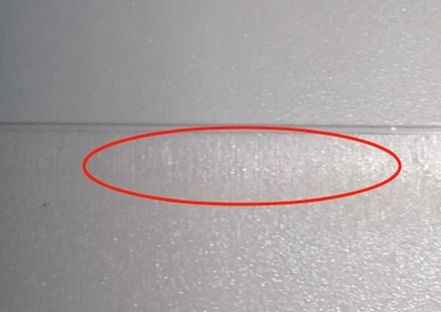
No draft: The walls drag against the mold core during ejection
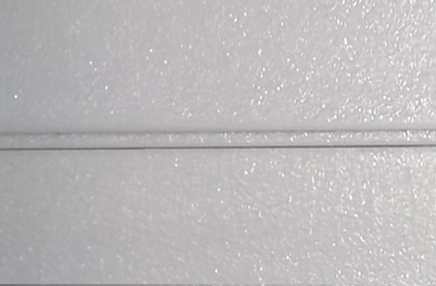
With 2° draft: The part pops out cleanly with no stress
(scratch mark because no molding draft)
(1.5 degrees molding draft)
How Goodtech MFG Helps
At Goodtech MFG Group, we support engineers with Design for Manufacturability (DFM) feedback, including draft analysis. Our team helps you:
Detect undercut or zero-draft issues
Suggest ideal draft for your material and finish
Avoid rework and tooling changes
Send us your 3D model, and we’ll review it for draft and manufacturability — free.