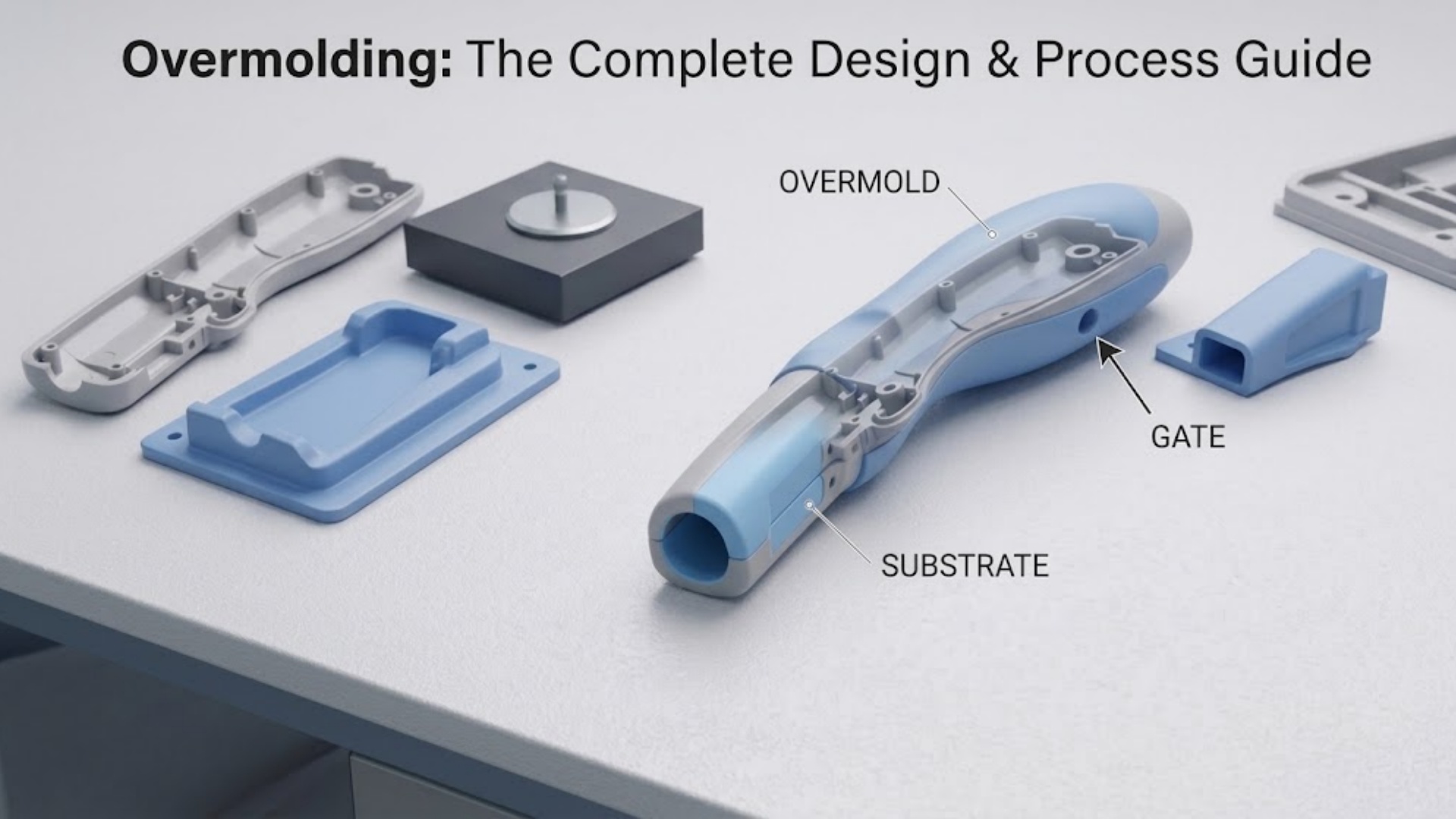

When designing plastic parts for injection molding, one of the most critical decisions a mechanical engineer must make is choosing the right wall thickness. Wall thickness affects part strength, manufacturability, cycle time, and cost — and poor choices often lead to defects like warping, sink marks, or short shots.
In this article, we’ll cover:
– Recommended wall thickness ranges by material
– Why wall thickness matters
– Problems caused by non-uniform thickness
– How to design for optimal thickness
Recommended Wall Thickness for Common Plastics
Each plastic material has different flow and cooling behavior. Here are general guidelines for common thermoplastics:
| Material | Recommended Wall Thickness (mm) |
| ABS | 1.1 – 3.5 mm |
| PC (Polycarbonate) | 1.0 – 3.8 mm |
| PP (Polypropylene) | 0.8 – 3.8 mm |
| PS (Polystyrene) | 0.9 – 3.0 mm |
| PA (Nylon) | 0.8 – 3.0 mm |
| PE (Polyethylene) | 1.0 – 4.0 mm |
| POM (Acetal) | 0.8 – 3.0 mm |
Note: These values are typical. Your mold supplier should validate thickness based on part geometry and application.
Why Wall Thickness Matters
Wall thickness directly affects:
Flowability of the resin
Cooling time (thicker walls take longer, increasing cycle time)
Structural strength
Risk of defects (e.g., voids, warping, and sink marks)
Problems from Incorrect Wall Thickness
Too Thick:
Sink marks
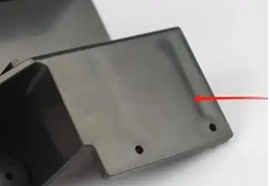
Warpage during cooling
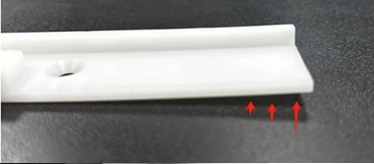
Long cycle times and higher material cost
Too Thin:
Poor flow during injection
Incomplete filling (short shots)
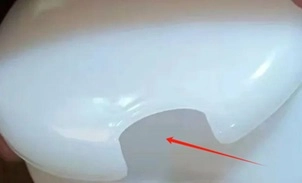
Weak or brittle parts
Importance of Uniform Wall Thickness
One golden rule of plastic part design:
Keep wall thickness as uniform as possible.
Sudden changes in thickness cause uneven cooling, which leads to internal stress, warping, and cosmetic defects. If thick areas are necessary, consider:
Coring out thick sections
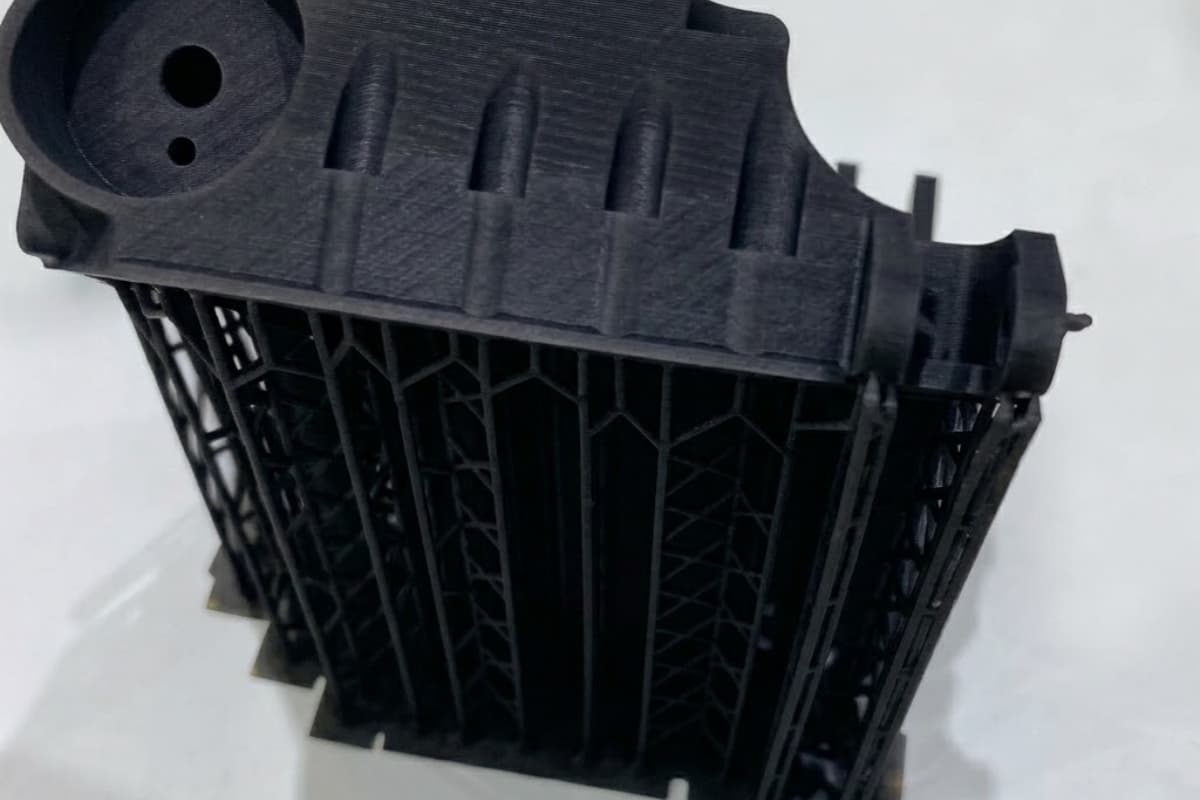
Adding ribs or gussets for strength
Gradual transitions in thickness
How to Design for Optimal Wall Thickness
Here are some key tips:
✅ Start with the minimum required strength and work up from there
✅ Use ribs and structural features instead of thicker walls
✅ Maintain uniform wall thickness throughout the part
✅ Work with your injection molding partner GoodTech to run mold flow analysis
✅ Choose a material with flow properties suited to your geometry
How Goodtech MFG Can Help
At Goodtech MFG Group, an engineering-driven company that specializes in injection molding services. Our team supports you from concept through DFM, mold design, and production — helping you balance strength, cost, and manufacturability.
Need help optimizing wall thickness for your next plastic part? Contact us today for a free DFM consultation.
mark.li@goodtech-mfg.com