
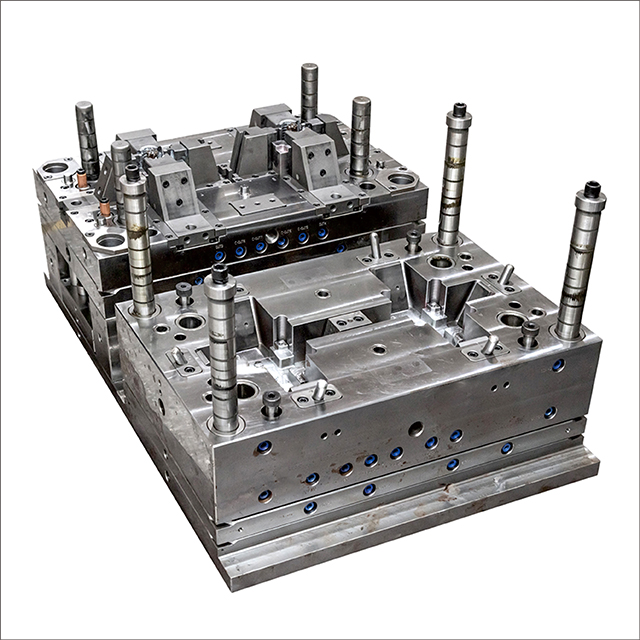
Deciding between hot runner vs cold runner systems directly impacts your initial tooling investment, per-part material cost, and production cycle times. The runner system acts as the delivery channel, guiding molten plastic from the injection machine nozzle into the mold cavities. Choosing the wrong configuration can lead to excessive tooling costs for short production runs or severe profit losses from material waste and slow cycles during mass production.
This guide compares the mechanical differences, cost structures, and application suitability of both runner types. By evaluating factors like production volume, material sensitivity, and part complexity, engineering and purchasing teams can select the most efficient plastic injection molding configuration for their specific manufacturing requirements.
The Impact of Runner Systems on Injection Molding ROI
The choice of runner system is fundamentally a financial and operational decision. Every plastic injection molding project carries a balance between the upfront capital expenditure (CapEx) of the mold and the ongoing operational expenditure (OpEx) of producing each part.
A standard runner system dictates how much plastic is wasted per cycle, how long the mold must stay closed to cool, and how much pressure is required to fill the cavity. When evaluating custom plastic injection molding partners, understanding these variables ensures you do not over-engineer a low-volume mold or under-invest in a high-volume production tool.
Core Differences: Hot Runner vs. Cold Runner Systems
The primary physical difference between the two systems lies in temperature control. A cold runner is unheated; the plastic inside the runner channel cools and solidifies alongside the molded part. This solid runner structure must be ejected during every cycle.
Conversely, a hot runner system uses a heated manifold and specialized nozzles to keep the plastic in a molten state inside the runner channels. When the mold opens, only the finished part is ejected.
System Comparison Overview
| Evaluation Criteria | Cold Runner Injection Molding | Hot Runner Injection Molding |
| Initial Tooling Cost | Lower (simpler mold structure) | Higher (requires heaters, sensors, and manifolds) |
| Material Waste | Higher (runner solidifies and requires disposal or regrind) | Minimal to none (plastic remains molten in the system) |
| Cycle Time | Slower (cooling time depends on the thickest part of the runner) | Faster (cooling time depends only on the part itself) |
| Maintenance Complexity | Lower (fewer internal components) | Higher (requires maintenance of heating elements and electronics) |
| Color Changes | Fast and straightforward | Slower and requires extensive purging |
Cold Runner Injection Molding: Advantages and Ideal Use Cases
Cold runner systems remain a staple in the injection mold making industry due to their simplicity and reliability. Because they lack complex heating components, the molds are faster to design, cheaper to machine, and easier to maintain.
Key Advantages:
- Lower Initial Investment: The absence of heated manifolds significantly reduces the upfront cost of injection mold making.
- Thermal Versatility: Because the runner is not constantly subjected to high heat, this system is highly suitable for heat-sensitive polymers that might degrade if left in a heated manifold.
- Rapid Material and Color Changes: The entire runner solidifies and is ejected, leaving the system completely clear for the next resin or color batch.
Ideal Applications:
Cold runners are the practical choice for low-to-medium production volumes where the long-term material savings of a hot runner would not offset the high initial tooling cost. They are also standard for rapid prototyping stages and projects involving frequent resin changeovers.
Hot Runner Injection Molding: Maximizing Efficiency for High Volumes
Hot runner systems are engineered for scale. By keeping the polymer molten until it reaches the mold cavity gate, these systems eliminate the formation of a solid runner.
Key Advantages:
- Zero Runner Waste: Eliminating the solid runner saves massive amounts of raw material over high-volume runs, completely removing the need for regrinding processes.
- Accelerated Cycle Times: Without a thick runner to cool, the machine can open the mold as soon as the part itself is solid. This significantly increases daily production capacity.
- Optimized Part Quality: Maintaining a consistent temperature up to the gate reduces injection pressure drops, lowering the risk of sink marks, warping, and underfilling in large or complex parts.
Ideal Applications:
Hot runners dominate high-volume production, multi-cavity molds, and the manufacturing of very large components where plastic flow must be carefully controlled across long distances.
Decision Framework: 5 Factors to Choose Your Mold System
Selecting the correct tooling requires analyzing five specific project parameters. Use this framework to align your tooling strategy with your commercial goals.
- Production Volume: For volumes under 50,000 units, the cost savings of a cold runner mold generally outweigh material waste. For volumes exceeding 100,000 units, a hot runner’s material savings and speed usually provide a superior ROI.
- Material Type: Heat-sensitive resins (like PVC) or specialized processes like thermoset molding often require cold runner tooling, as prolonged exposure to heat causes premature curing or degradation. Standard thermoplastics (like PP, PE, ABS) perform exceptionally well in hot runners.
- Part Complexity and Size: Large parts require high injection pressure to fill the mold completely. Hot runners maintain resin viscosity, making it easier to fill large or highly detailed multi-cavity molds without flow marks.
- Budget Constraints: If immediate capital is limited, a cold runner mold allows production to begin with a lower entry cost, shifting the financial burden to per-part material costs over time.
- Cycle Time Requirements: If meeting tight market delivery schedules requires maximizing output per shift, hot runner systems provide the necessary cycle time reductions.
Industry Applications for Different Runner Systems
Different manufacturing sectors lean toward specific tooling solutions based on regulatory, aesthetic, and volume demands.
- Automotive: The production of automotive manufacturing components often relies on hot runners. Large interior panels and bumpers require multiple gate locations and consistent material flow, which hot runner manifolds manage efficiently.
- Medical Devices: For medical device components, tooling choices vary. High-volume, disposable items like syringe barrels often use hot runners for speed. However, some highly regulated, heat-sensitive medical polymers require cold runners to prevent material degradation.
- Consumer Electronics: Housings for consumer electronics demand flawless aesthetic surfaces and tight tolerances. Hot runners are frequently used here to eliminate gate marks and control injection pressure perfectly across multi-cavity molds.
Partnering with a Reliable Custom Injection Molding Manufacturer
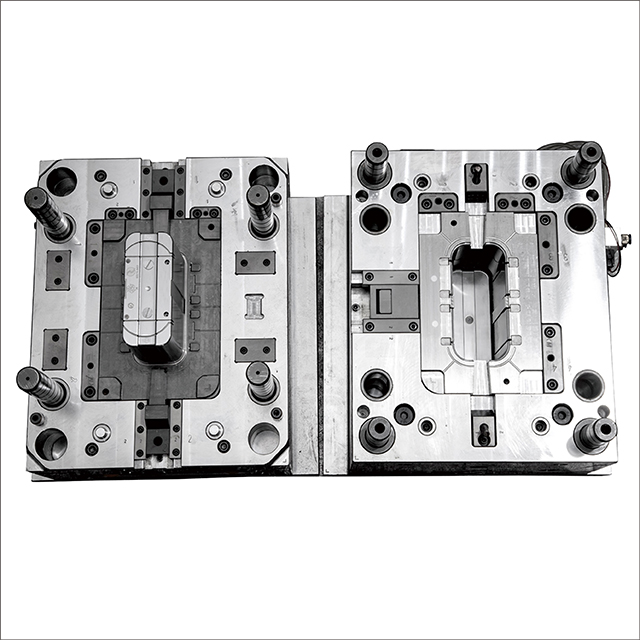
The success of your tooling strategy depends heavily on the execution capabilities of your manufacturing partner. A reputable injection molding manufacturer China will not just build the mold you request; they will perform a comprehensive Design for Manufacturability (DFM) analysis to recommend the most cost-effective runner system for your specific geometry and volume.
Procurement Checklist for Mold Makers:
- Do they provide a full DFM report detailing mold flow analysis before cutting steel?
- Can they prove expertise in machining both hot and cold runner architectures?
- Do they have a clear preventive maintenance protocol for hot runner heating elements?
- Are they transparent about the break-even volume between hot and cold runner tooling for your specific quote?
To ensure your next tooling investment aligns perfectly with your production goals, contact our injection molding experts for a detailed project review.
FAQs About Hot and Cold Runner Molds
Can a cold runner mold be converted to a hot runner system?
In some cases, yes. A cold runner mold can be retrofitted with a hot sprue or partial hot runner manifold, but this requires significant structural modifications to the mold base. It is generally more cost-effective to design the mold for a hot runner from the beginning.
Are hot runner molds more prone to maintenance issues?
Yes. Because hot runners contain internal heating coils, thermocouples, and sensitive wiring, they require strict preventive maintenance. Contaminated resin or poor temperature management can lead to blocked nozzles, requiring production downtime to resolve.
Which system produces stronger plastic parts?
Both systems can produce equally strong parts if engineered correctly. However, hot runners provide better control over injection pressure and plastic temperature at the gate, which reduces internal stress and flow lines, often resulting in better structural consistency for complex parts.
Key Takeaways
- Cold runner systems offer lower tooling costs, high material flexibility, and easier maintenance, making them ideal for low-volume runs and heat-sensitive plastics.
- Hot runner systems eliminate material waste and reduce cycle times, providing superior ROI for high-volume, multi-cavity production.
- The decision relies on a mathematical break-even point: comparing the upfront cost of the hot runner manifold against the long-term savings in resin and machine time.
- Material selection dictates feasibility; highly heat-sensitive polymers may strictly require cold runner configurations.
FAQ
- Can a cold runner mold be converted to a hot runner system? In some cases, yes, though retrofitting requires extensive machining. It is more practical to design for a hot runner initially.
- Are hot runner molds more prone to maintenance issues? Yes, the internal electronics, heaters, and temperature sensors require regular maintenance and careful operation to prevent blockages.
- Which system produces stronger plastic parts? While both produce strong parts, hot runners offer superior control over pressure and temperature, reducing internal stresses in complex geometries.
Contact GoodTech for technical support
Not sure which runner system will provide the best ROI for your production volume? Contact GoodTech’s engineering team today for a free Design for Manufacturability (DFM) analysis and a comprehensive custom tooling quote.