


Confused by RIM materials? Compare polyurethane, epoxy, nylon, and silicone for reaction injection molding, plus a practical selection framework.
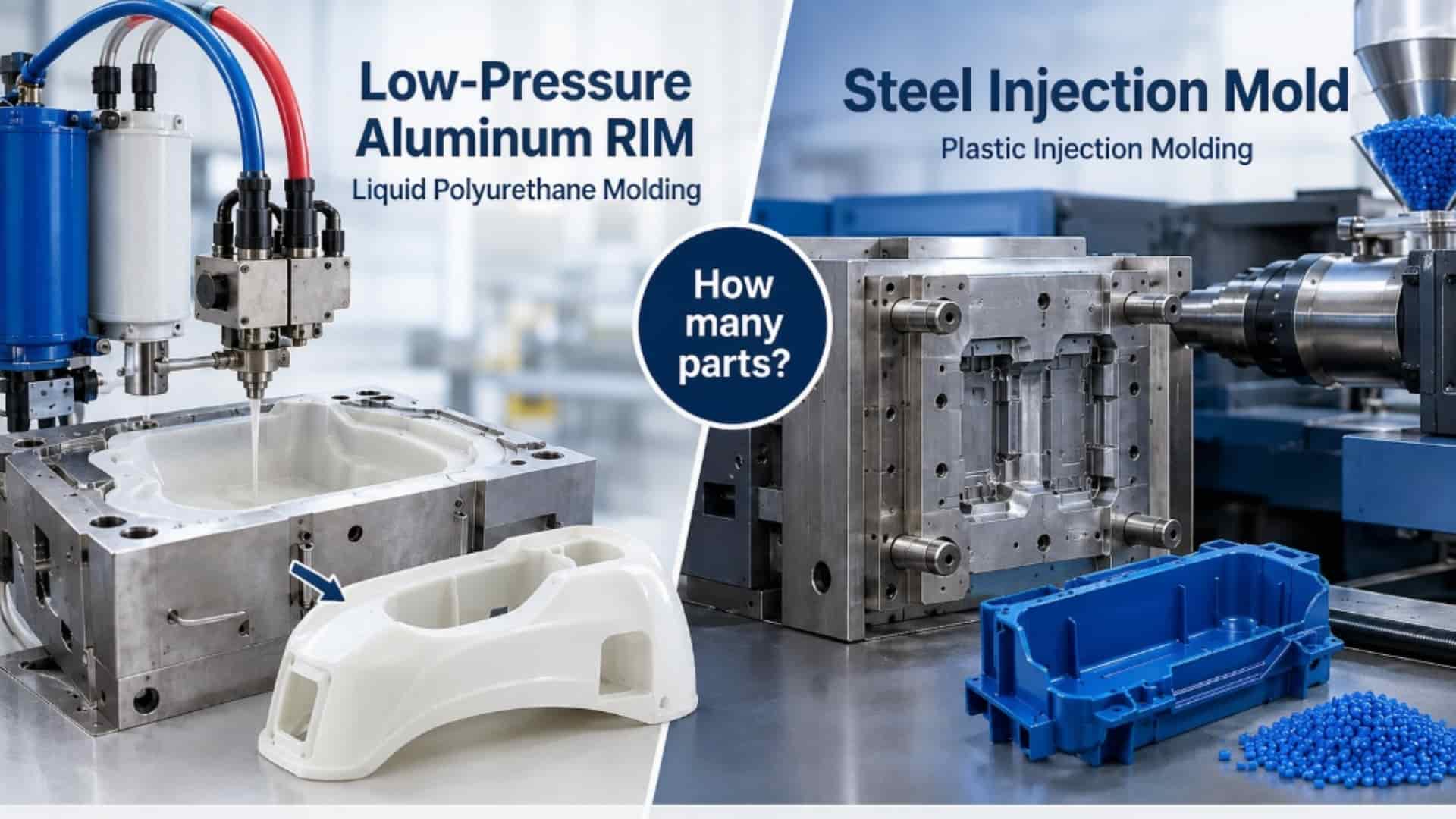
RIM vs injection molding: compare tooling cost, lead time, and volume breakpoints, then use our decision framework to choose the right process for your parts.

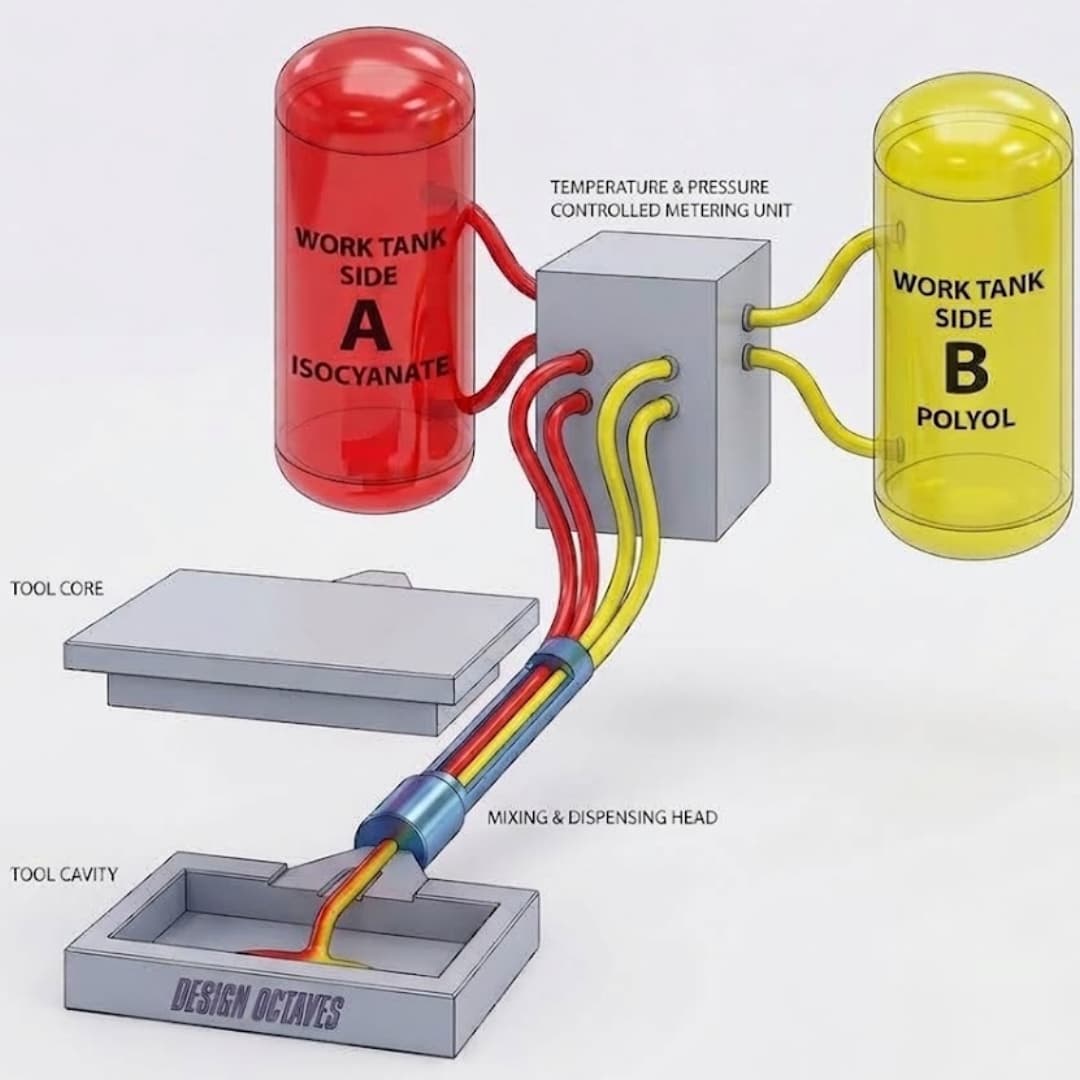
Learn how reaction injection molding works, its design rules, and when to choose RIM over injection molding or 3D printing for low-volume plastic parts.
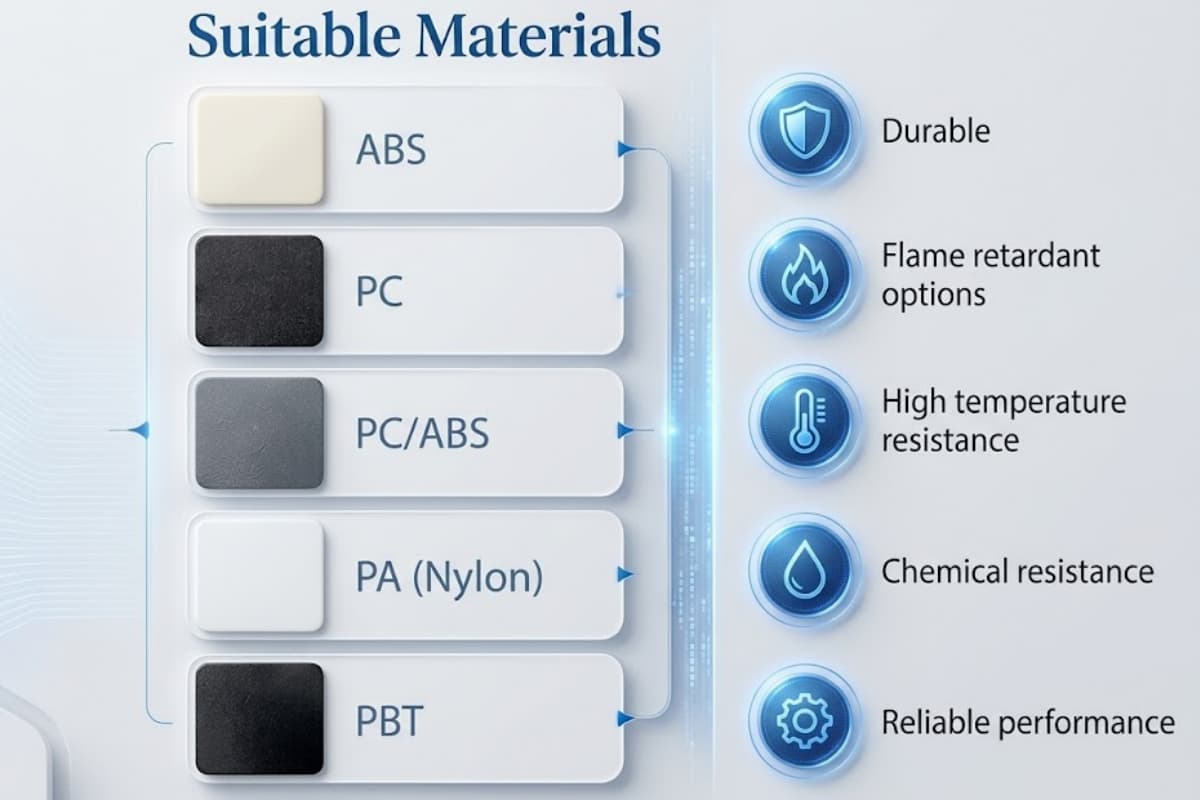
Reference guide for electronics housing injection molding — material shortlist, wall thickness by material, rib/boss rules, draft angles, and tolerances.
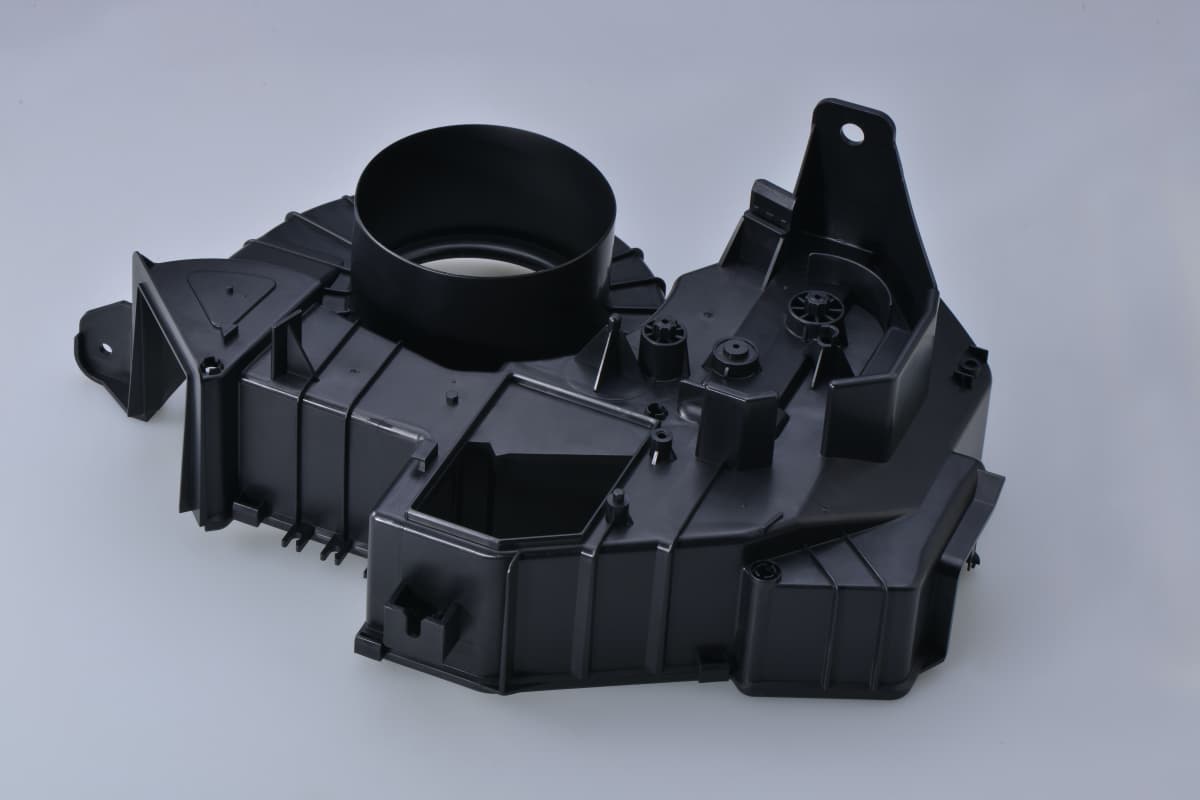
Learn how consumer electronics injection molding works — material selection, wall thickness, waterproofing, tolerances, and how to choose a supplier.
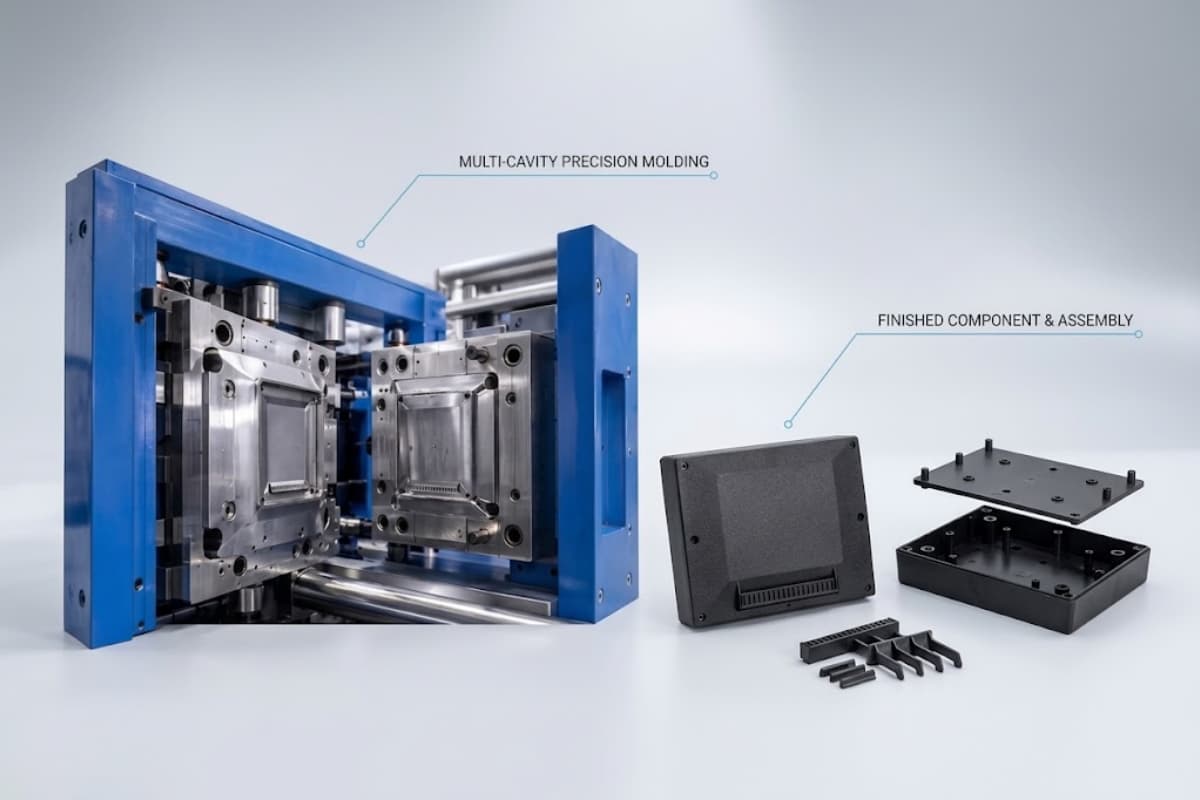
A design and sourcing guide for plastic injection molding of electronic enclosures — materials, wall thickness, waterproofing, tolerances, and RFQ checklist.

Complete guide to consumer electronics injection molding: DFM rules, resin selection, EVT-to-MP tooling, cost drivers, and supplier checks. Get a free DFM review.
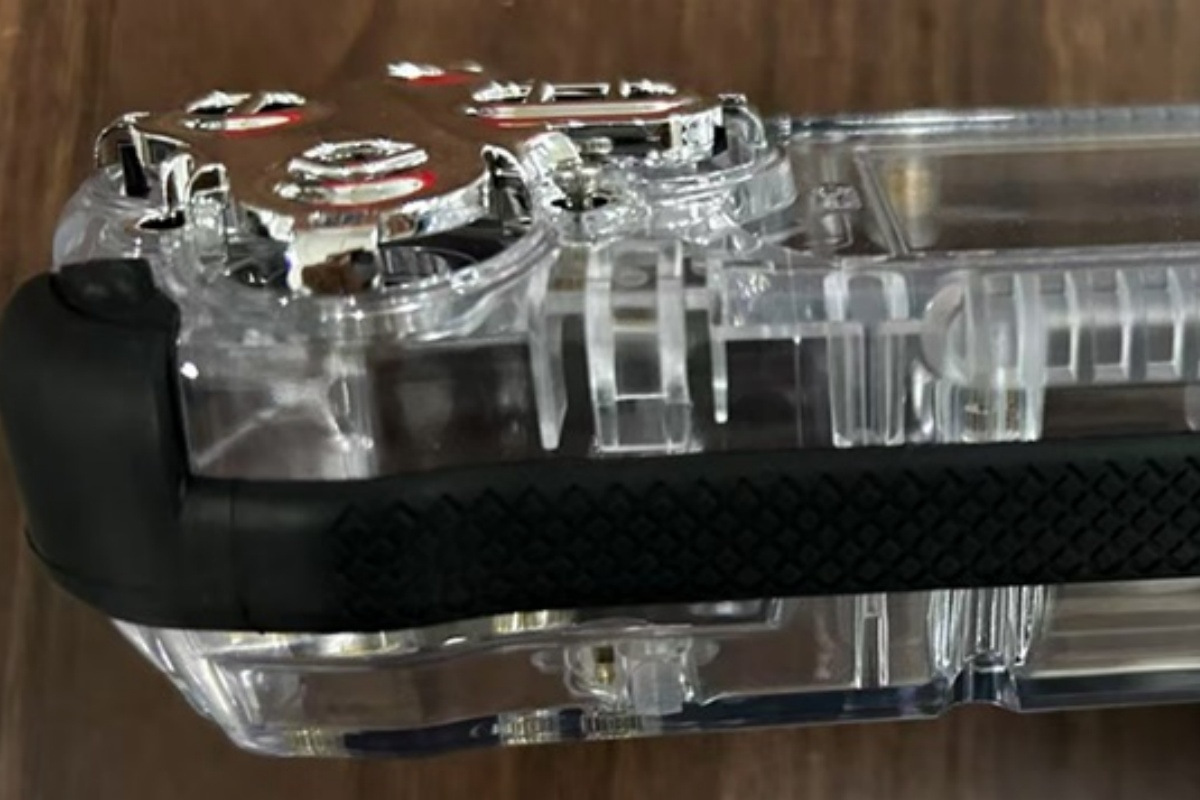
Custom plastic injection molding: process, materials, tolerances, cost drivers, and a 6-criteria framework to qualify your supplier. Get a free DFM review.
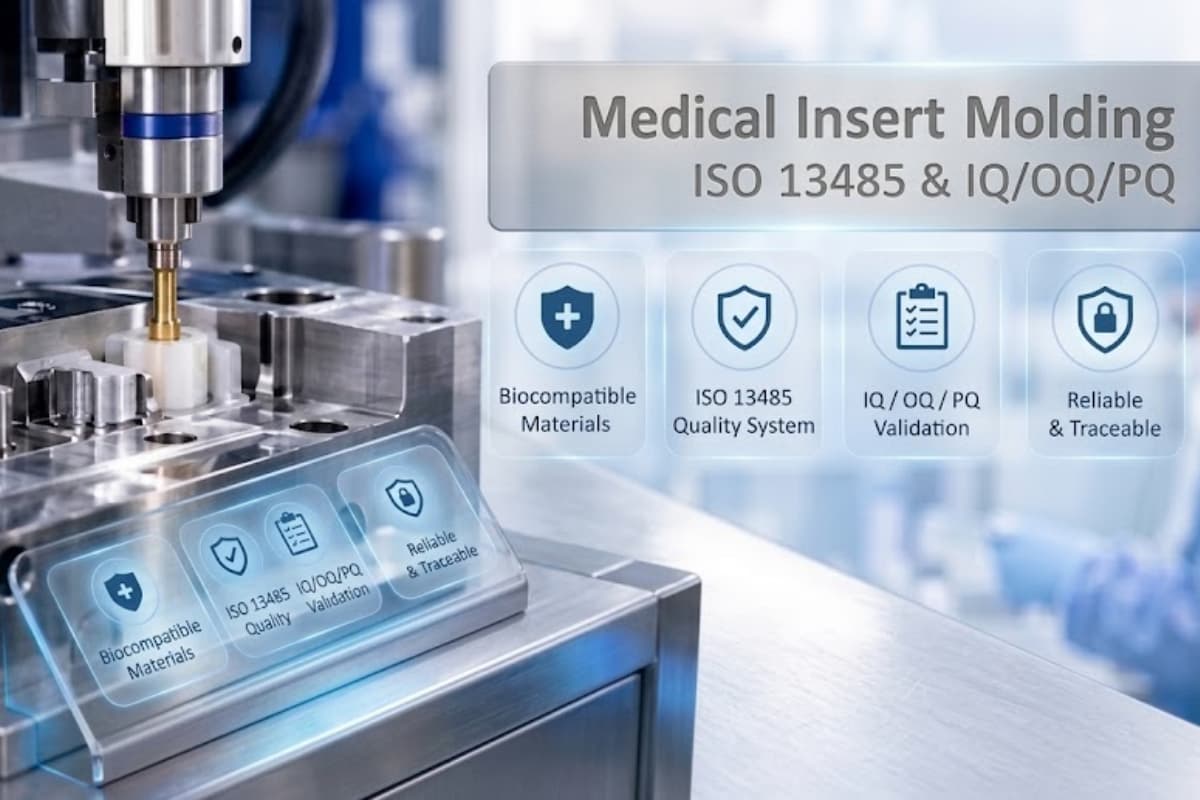
How medical insert molding works—applications, material selection, and ISO 13485 IQ/OQ/PQ validation, plus a supplier qualification checklist.