
Surface Finishing Options for Injection Molded Plastic Parts

In-mold polish and texture are decided at tooling release; painting, printing and metallising come after. Compare SPI grades, materials and costs to specify the right finish.
How to Qualify an Injection Molding Supplier: Audit Checklist for OEMs

A supplier is qualified only when six gates are passed with evidence: documentation, capability, quality system, IP controls, process capability and commercial fit. Includes a 22-point audit checklist and scoring model.
The Future of Injection Molding: Automation, Industry 4.0, and Smart Manufacturing

The real shift is from controlling a machine to controlling a process. How automation, connectivity and smart manufacturing change part cost, quality and traceability — and what to ask suppliers.
Injection Molding Tolerances: What’s Achievable and How to Specify Them

Standard injection molding holds ±0.100 mm to ±0.250 mm; precision features reach ±0.025 mm to ±0.050 mm. See the achievable tolerance matrix by feature type and how to specify limits your supplier can hold.
How to Protect Your IP When Outsourcing Injection Molding to China

Protect your designs, tooling and trade secrets when you outsource injection molding to China. Five practical layers: NDAs, registrations, tooling ownership, audits you can enforce.
Medical Injection Molding: 6 Trends Device Makers Must Know

Medical injection molding is changing: validation evidence, medical-grade resins, bridge tooling and in-process quality data. Here is the supplier checklist device makers need.
Top 8 Plastic Injection Molding Manufacturers of 2026
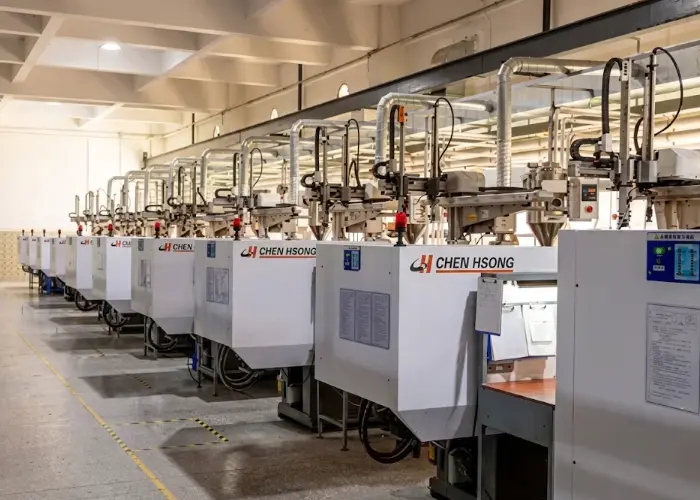
Choosing the right plastic injection molding manufacturer involves more than comparing unit prices. Production volume, material capability, tooling, quality requirements, engineering support, manufacturing location, and communication can all affect the success of a project. This guide reviews eight selected injection molding manufacturers relevant to buyers in the USA and Europe, followed by GoodTech as an […]
Injection Molding Cost Breakdown: What Affects the Price of Molded Parts?
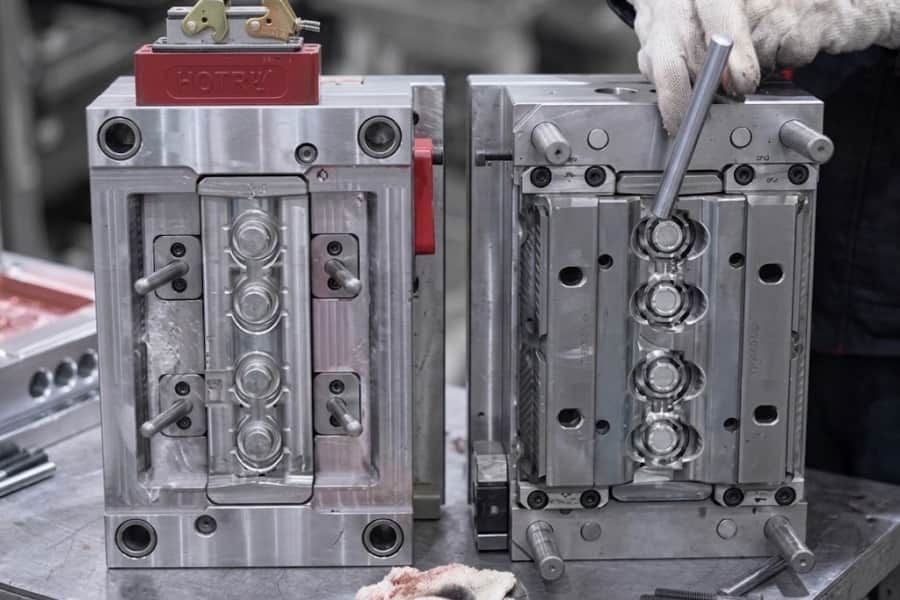
Injection molding cost depends on much more than plastic material prices. Mold complexity, part geometry, material selection, production volume, cycle time, tolerances, surface finish, and secondary operations can all affect the final price of molded plastic parts. For purchasing managers and engineers, the best way to evaluate injection molding cost is to separate one-time tooling […]
Engineering Plastics for Injection Moulding: Material Selection Guide
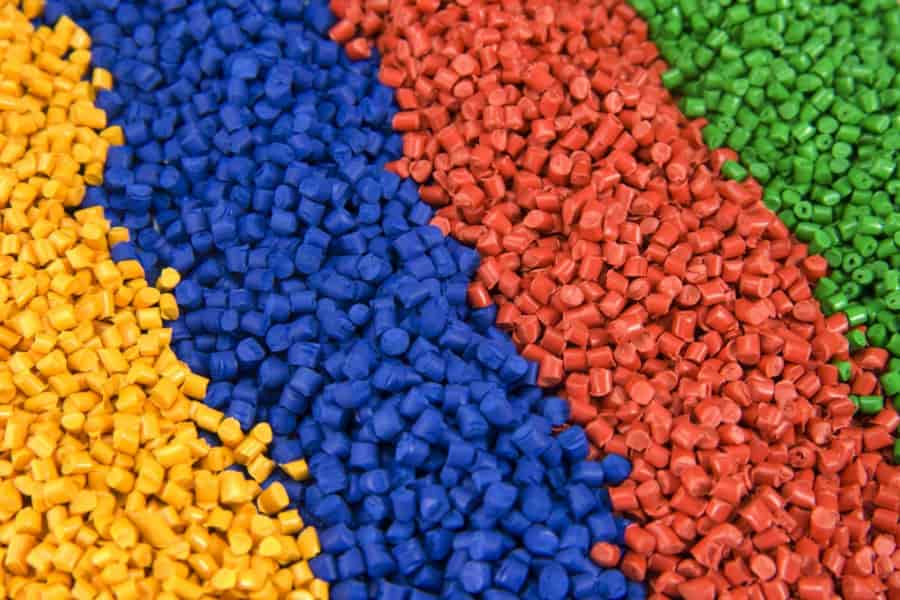
Choosing engineering plastics for injection moulding is not simply a matter of selecting the strongest or most heat-resistant resin. The right material must match the part’s mechanical requirements, operating environment, dimensional needs, appearance, manufacturing process, tooling strategy, and total project cost. For engineers and B2B purchasing teams, a practical selection process starts with the application […]
How to Create the Perfect Injection Mold: Six Key Elements
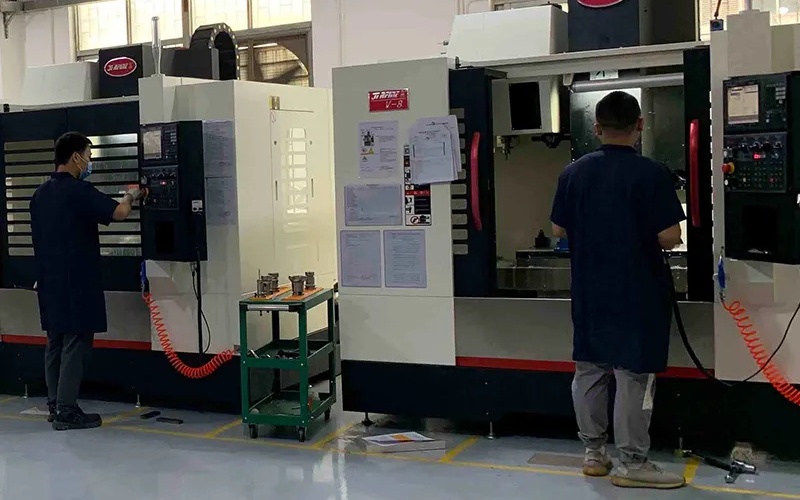
Introduction: The Foundation of Zero-Defect Custom Injection Molding Mastering the creation of a zero-defect injection mold requires a strict engineering-driven approach that addresses potential geometric failures, thermal discrepancies, and material degradation before production tooling is cut. Procurement managers, industrial engineers, and manufacturing leads frequently encounter production bottlenecks, high scrap rates, and extended lead times when […]