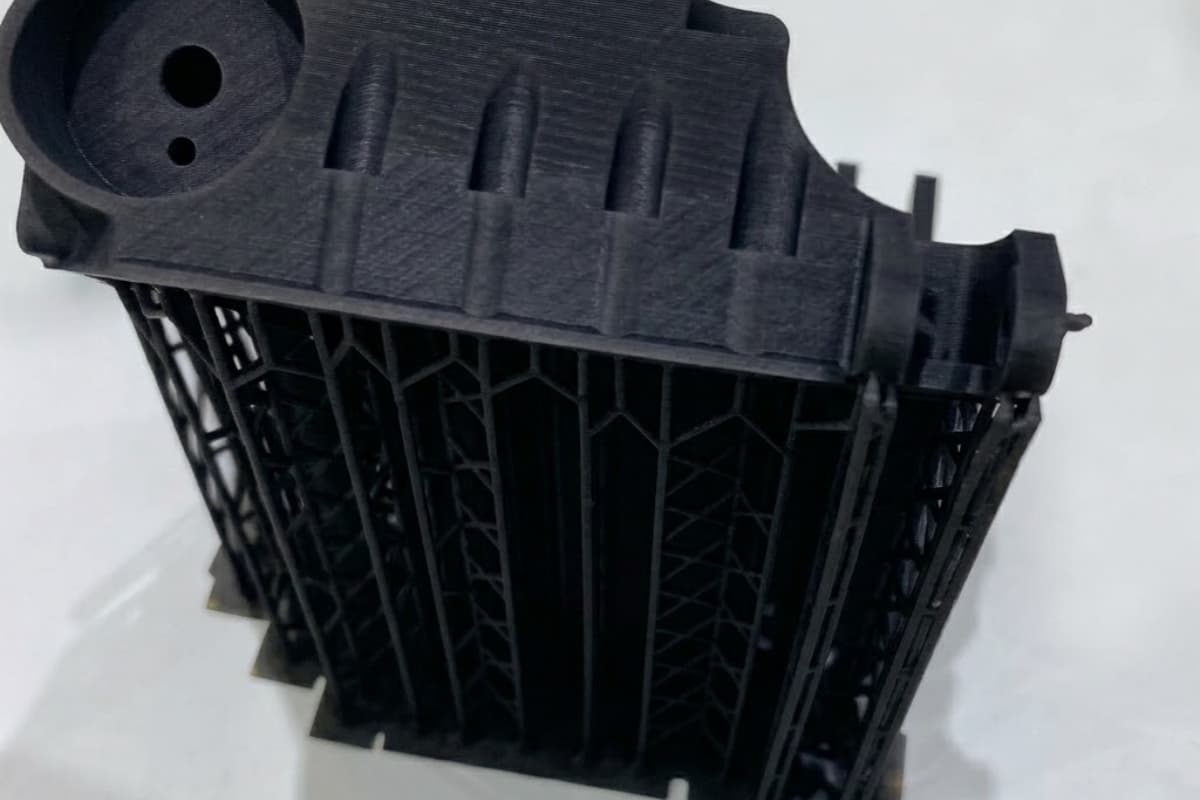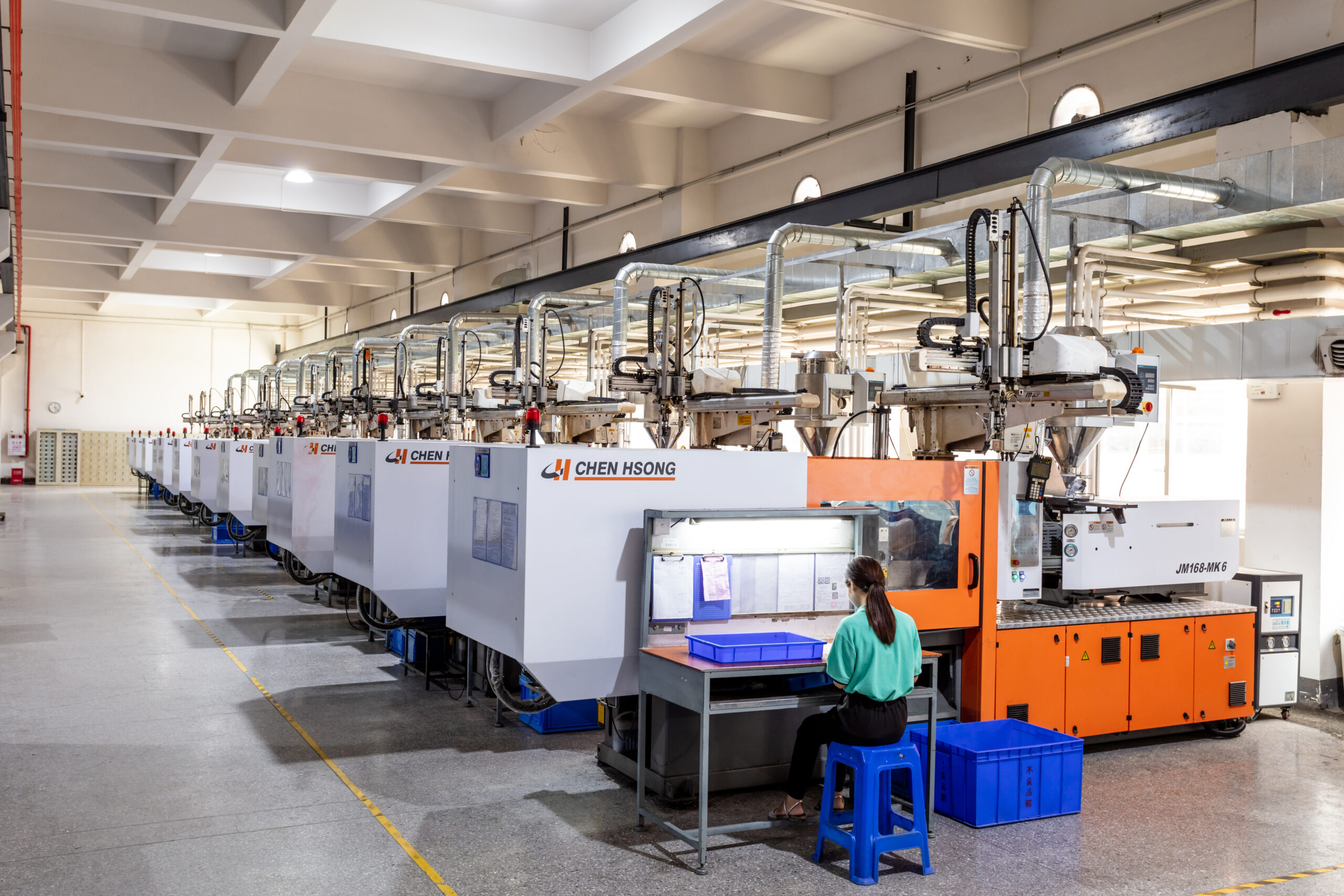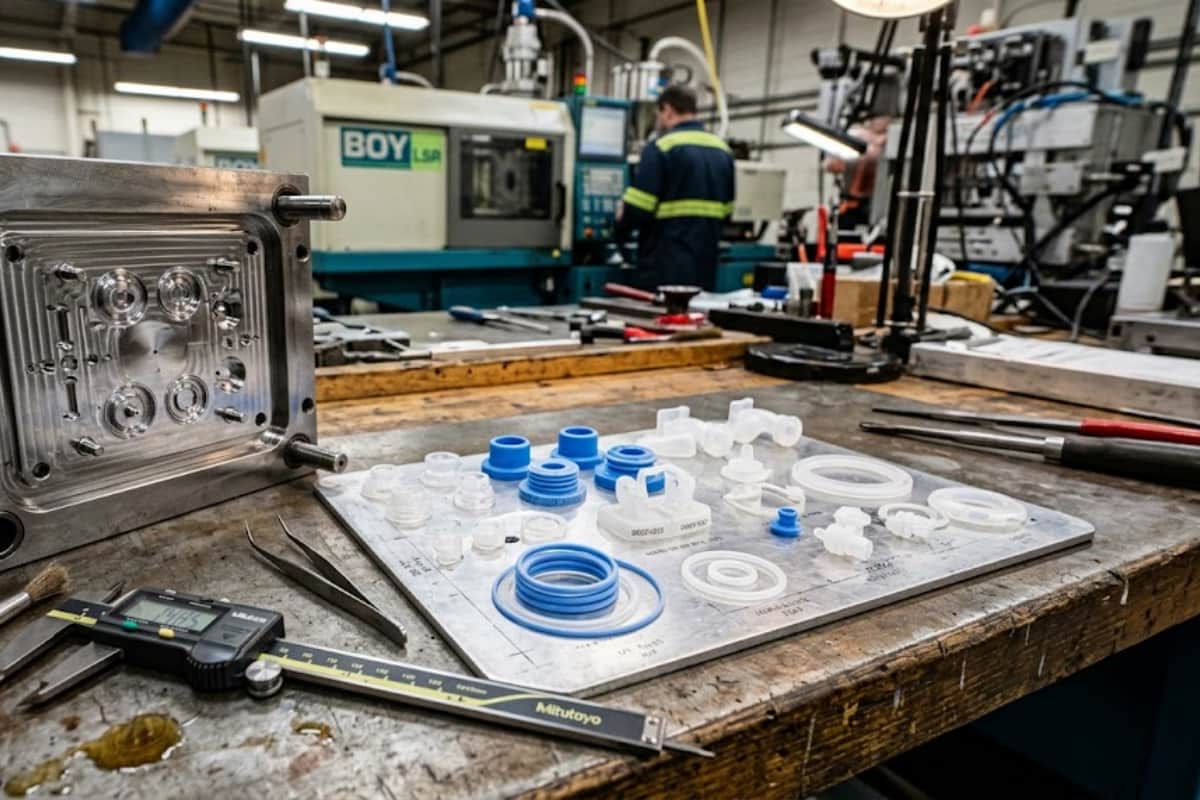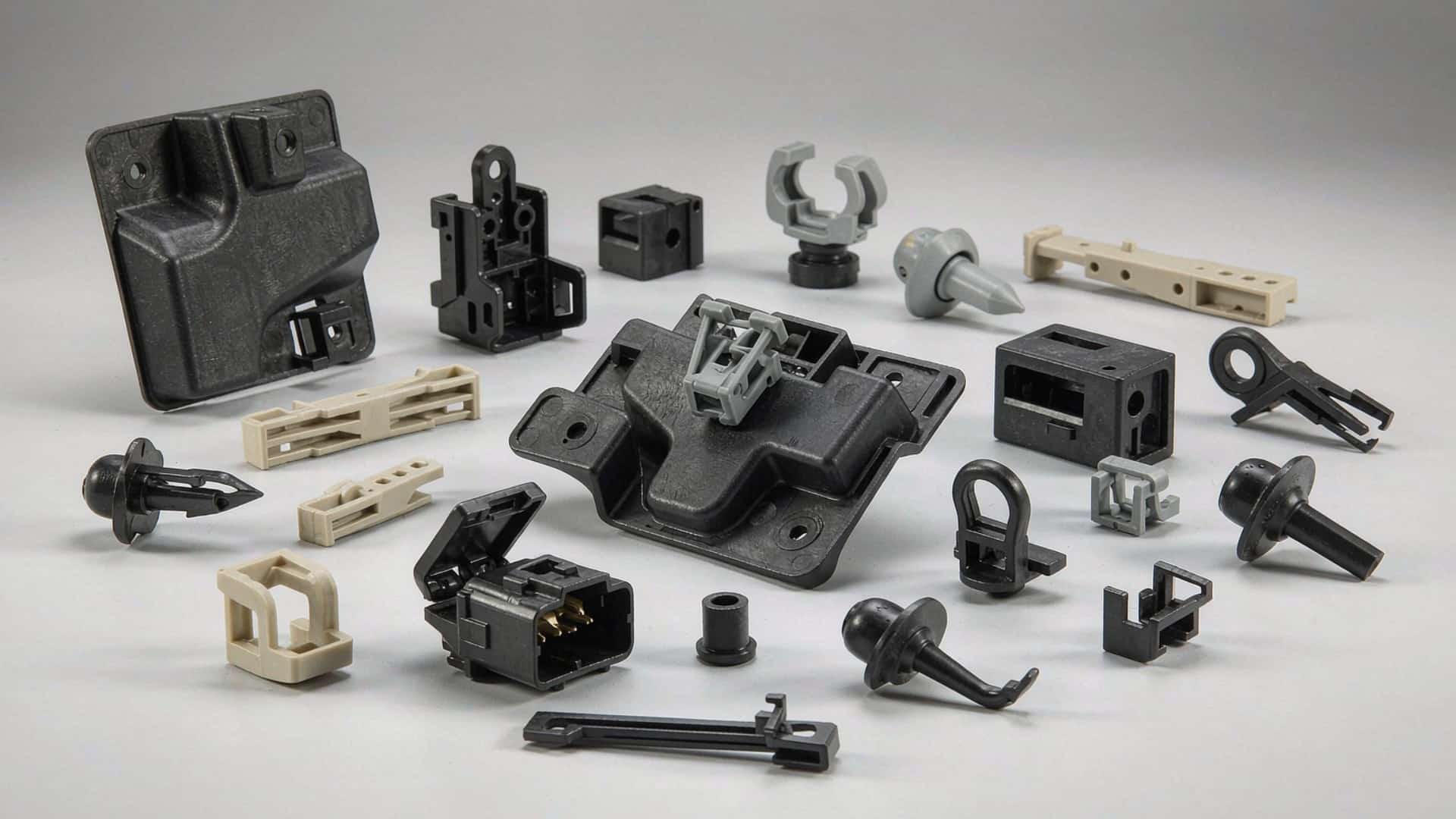

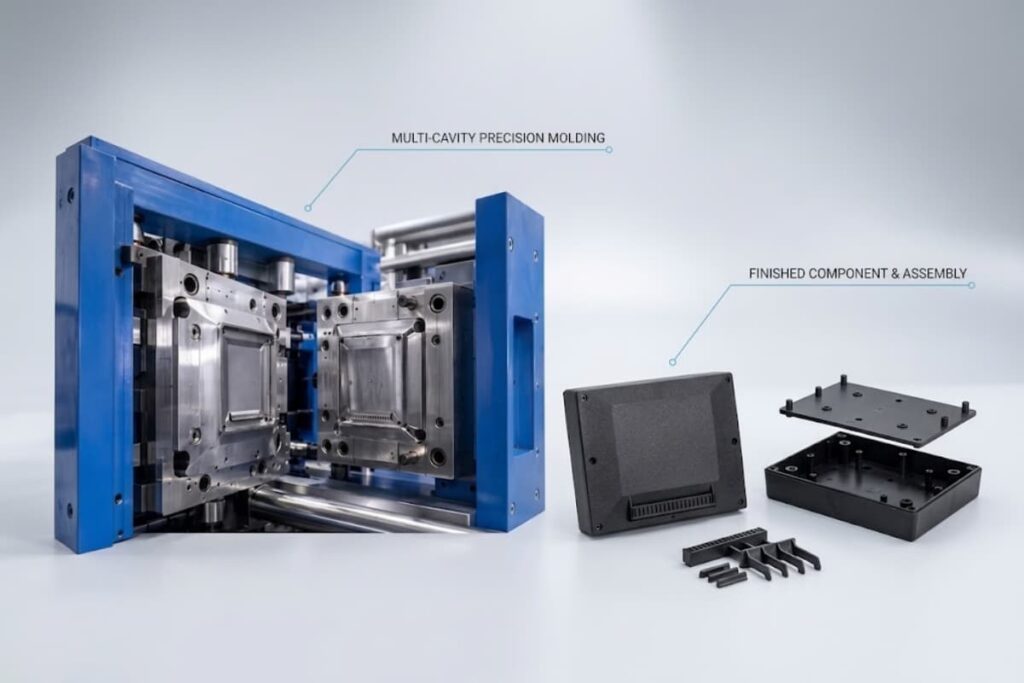
Plastic injection molding for electronic enclosures is the fastest way to turn a housing concept into thousands of consistent, lightweight, and often waterproof shells. The main answer for engineers: design the enclosure for uniform walls, sensible ribs and bosses, and an early sealing decision, then prepare a complete RFQ package before approaching a molder. This guide walks through the design rules and the sourcing checklist that keep an electronic enclosure project on schedule and on budget.
What Makes an Electronic Enclosure Moldable
A moldable enclosure starts from a clear set of boundaries. The biggest cost and quality risks come from features that fight the process: undercuts that need side actions, walls that change thickness abruptly, and surfaces that demand tight tolerances for no functional reason.
- Avoid unnecessary undercuts — each slider or lifter adds tooling cost and a potential parting-line witness.
- Keep walls uniform — varying thickness is the leading cause of sink and warpage.
- Design for demolding — every vertical face needs draft; textured faces need more.
- Separate cosmetic from functional — only the visible face needs a premium finish.
Run your concept through an injection molding DFM guide before quoting.
Material Selection Matrix for Electronic Enclosures
Choose the resin against the device’s environment, not a default. The matrix below maps common conditions to a starting material.
| Condition | Start with | Why | Note |
|---|---|---|---|
| Indoor, cost-sensitive | ABS | Easy to mold, good surface | Limit to low-heat use |
| Visible, premium feel | PC/ABS | Balanced looks and toughness | Most phone/router shells |
| Impact or clear window | PC | High impact, optical clarity | Manage flow marks |
| Chemical / structural | PA or PBT | Strength and stability | Watch moisture (PA) and impact (PBT) |
| Flame or EMI requirement | FR or conductive-filled grade | Meets spec | Exact grade and cert need confirmation |
See the engineering plastics guide and the ABS explainer for property detail.
Wall Thickness and Uniformity Rules
nominal wall drives fill, cooling, and warpage. A consistent wall lets the melt pack evenly; transitions should be gradual. As a rule of thumb, ABS and PC housings often use a nominal wall around 1.5–2.5 mm depending on size, while thinner sections are possible with thin-wall process control. Confirm the exact range for your material and part in the wall-thickness reference.
Ribs, Bosses and Snap-Fits for PCB Mounting
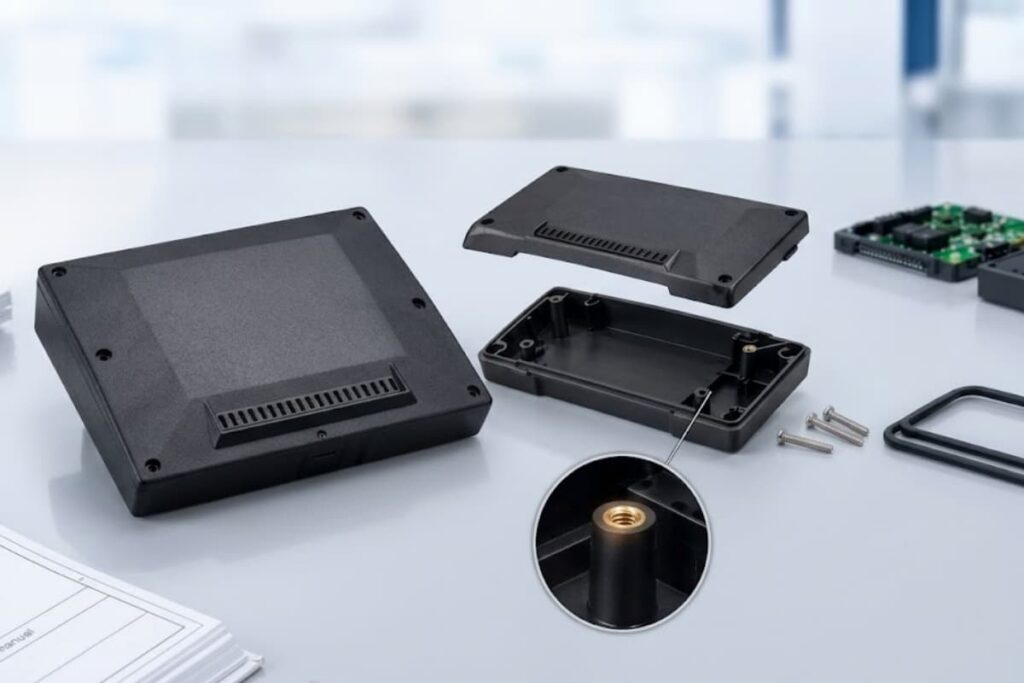
Internal structure carries the PCB, battery, and screws. Three rules keep it moldable:
- Ribs at ~60% of wall thickness — stiffens without a sink on the opposite face.
- Bosses sized to the screw — outside diameter roughly twice the screw core; tie to a wall with a rib to avoid isolated mass.
- Snap-fits with real draft — the hook needs enough angle to release and enough engagement to hold; over-aggressive hooks crack on assembly.
The ribs and bosses design guide gives the proportions to put on a drawing.
Tolerances for Fit and Assembly
Tight tolerances cost money through scrap and inspection. Focus them on features that affect assembly:
- PCB standoff height and boss inner diameter
- Snap-fit engagement length
- Connector window position and size
- Parting-line flash that could break a seal
Non-critical dimensions can run to commercial tolerance. The tolerances guide shows what is realistically held in production.
Surface Finish and Texture Options
Finish choices change both look and tooling. Polished cavities give high gloss but show every flaw; textured surfaces (SPI standards) hide minor defects and improve grip but need more draft. Painted or laser-etched logos add steps. Defect control — sink, flow marks, gate vestige — starts with gate location and process, so settle the finish before cutting steel. Review the surface finishing options with your molder.
Waterproofing Paths: Gaskets, Overmolding, Ultrasonic Welding
If the device must resist water or dust, decide the sealing method during design, not after the first leak:
| Path | Best when | Trade-off |
|---|---|---|
| Gasket in groove | Serviceable, simple tool | Extra part and assembly step |
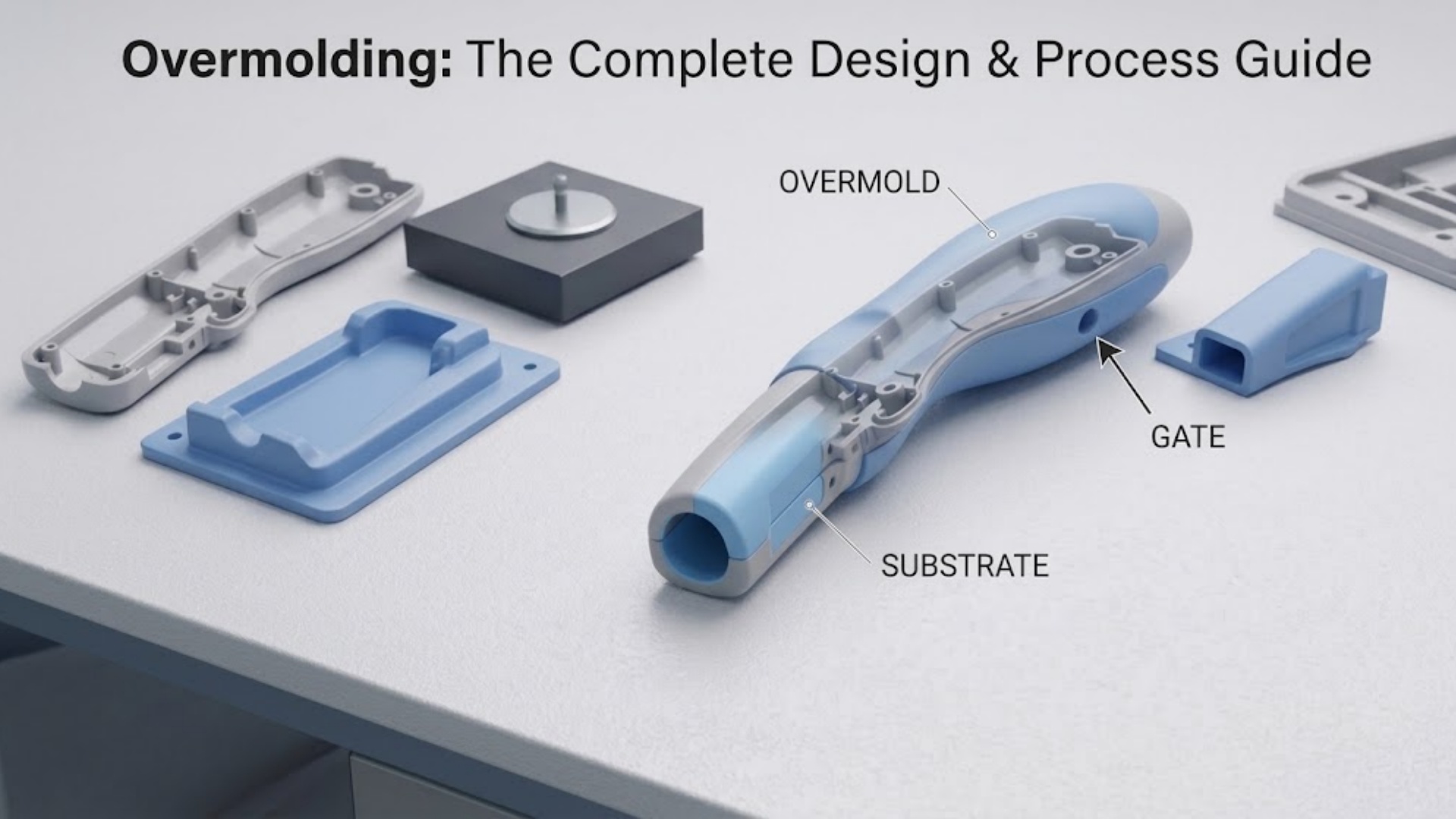
| Overmolded seal | High volume, integrated | Dual-material tooling and bonding control |
| Ultrasonic welding | Clean seam, fast cycle | Weld and fixture discipline required |
IP67 (dust-tight, 1 m / 30 min immersion per IEC 60529) is a system result. For overmolding detail, see the overmolding guidelines and applications.
Cost Drivers in Enclosure Tooling
A quote is shaped by more than resin price. Key drivers:
- Cavitation: more cavities lower piece price but raise tool cost and maintenance.
- Sliders / lifters: each undercut solution adds complexity.
- Surface and tolerance: premium finish and tight specs extend cycle and scrap.
- Volume: low volume favors aluminum tooling; high volume favors steel.
The cost breakdown guide helps you read a quote line by line.
Supplier Sourcing Checklist Before RFQ
Before sending a request for quote, prepare:
- A 3D model and 2D drawing with critical tolerances called out
- Material and any flame/EMI requirement
- Finish and cosmetic acceptance notes
- Sealing requirement (IP rating, method)
- Estimated annual volume and timeline
- Tooling ownership and IP expectations
Then vet the supplier with the supplier qualification checklist, focusing on DFM responsiveness and quality system.
FAQ
What is the minimum wall thickness for an electronic enclosure?
It depends on material and flow length; typical ABS/PC nominal walls run about 1.5–2.5 mm, with thinner possible under thin-wall process control. Confirm with the molder.
How do I add EMI shielding?
Options include conductive-filled resins, conductive coatings, or molded-in metal shields. Feasibility and certification depend on the specific grade and standard — confirm with the supplier.
How do I avoid sink marks?
Keep walls uniform, size ribs and bosses to the 60% rule, place gates to pack thick areas, and follow the defects prevention guide.
Contact GoodTech for technical support
A moldable, cost-effective electronic enclosure comes from designing for uniform walls, sensible structure, an early sealing decision, and a complete RFQ package. Spend the effort on the drawing and the supplier check, and the production run takes care of itself.
Share your electronic enclosure drawing and RFQ package, and GoodTech’s engineering team will run a DFM and sourcing review covering material, wall design, waterproofing, and tolerances. Start the conversation here: GoodTech custom plastic injection molding.