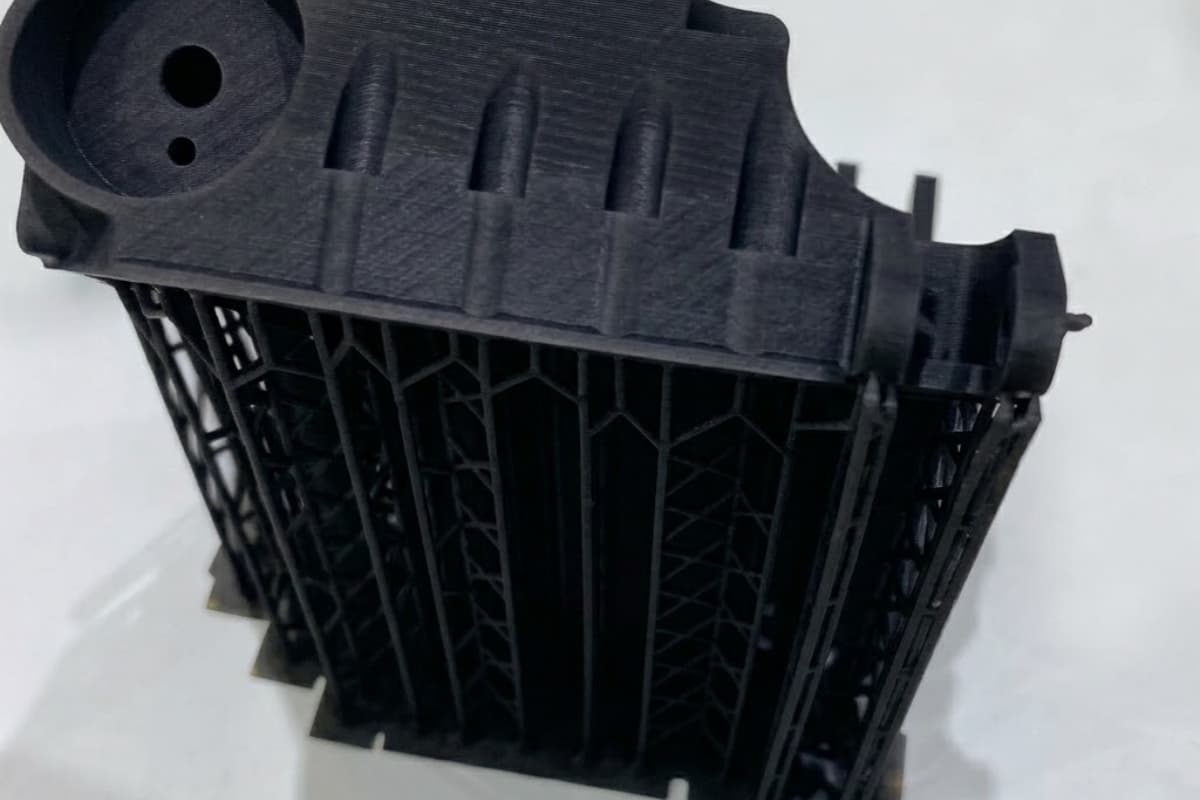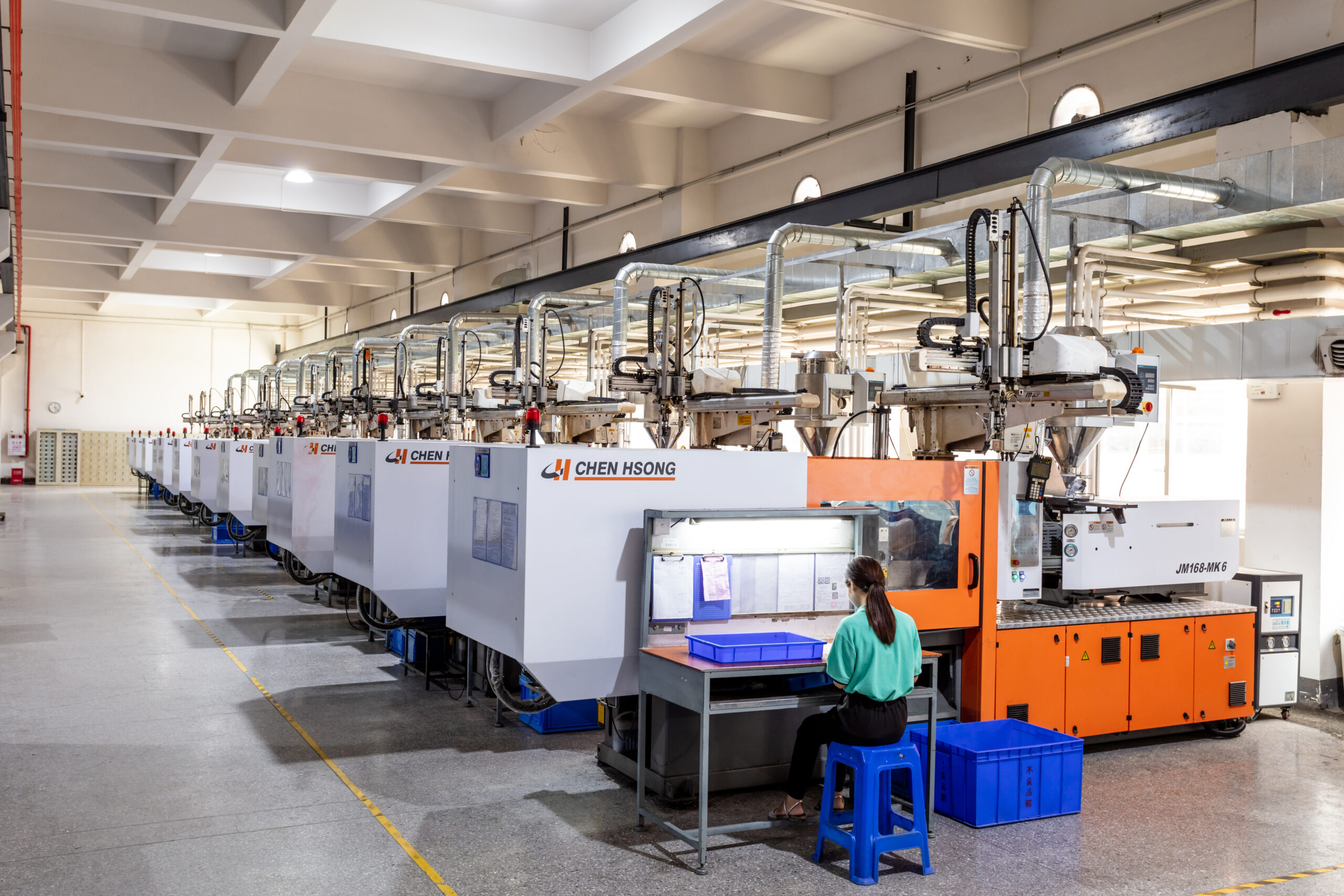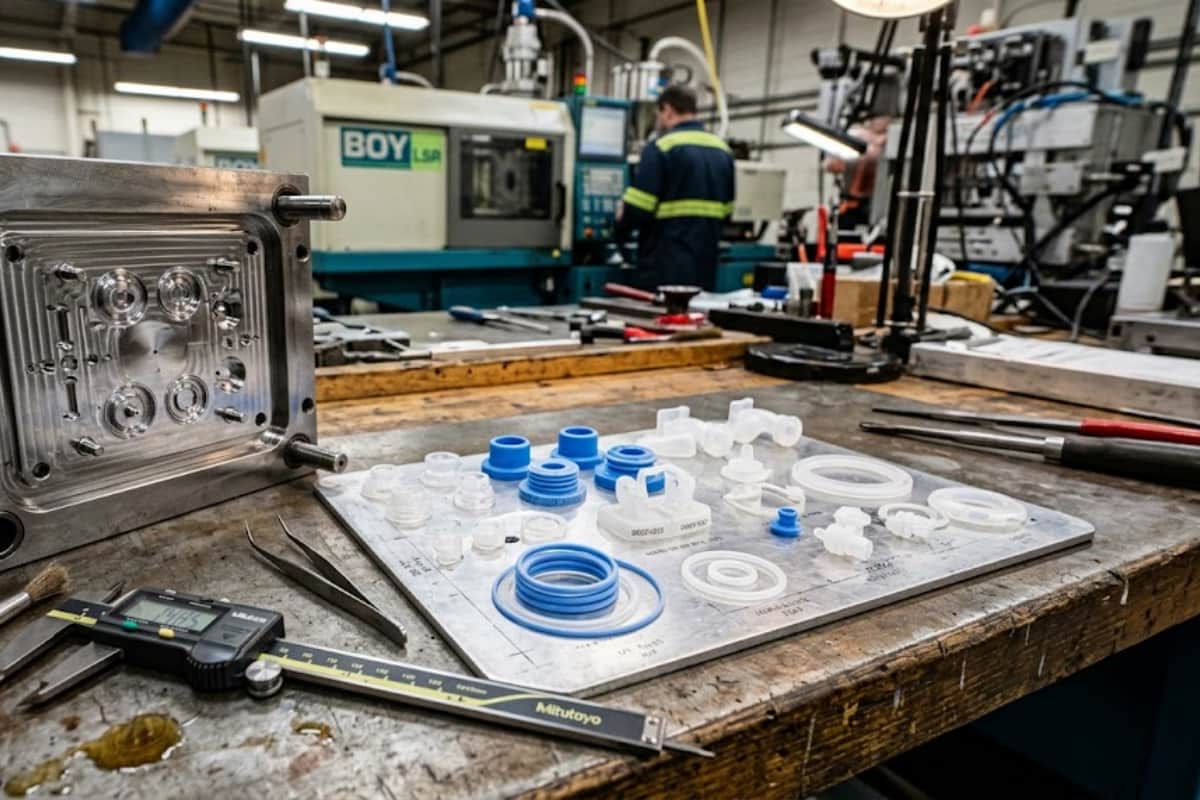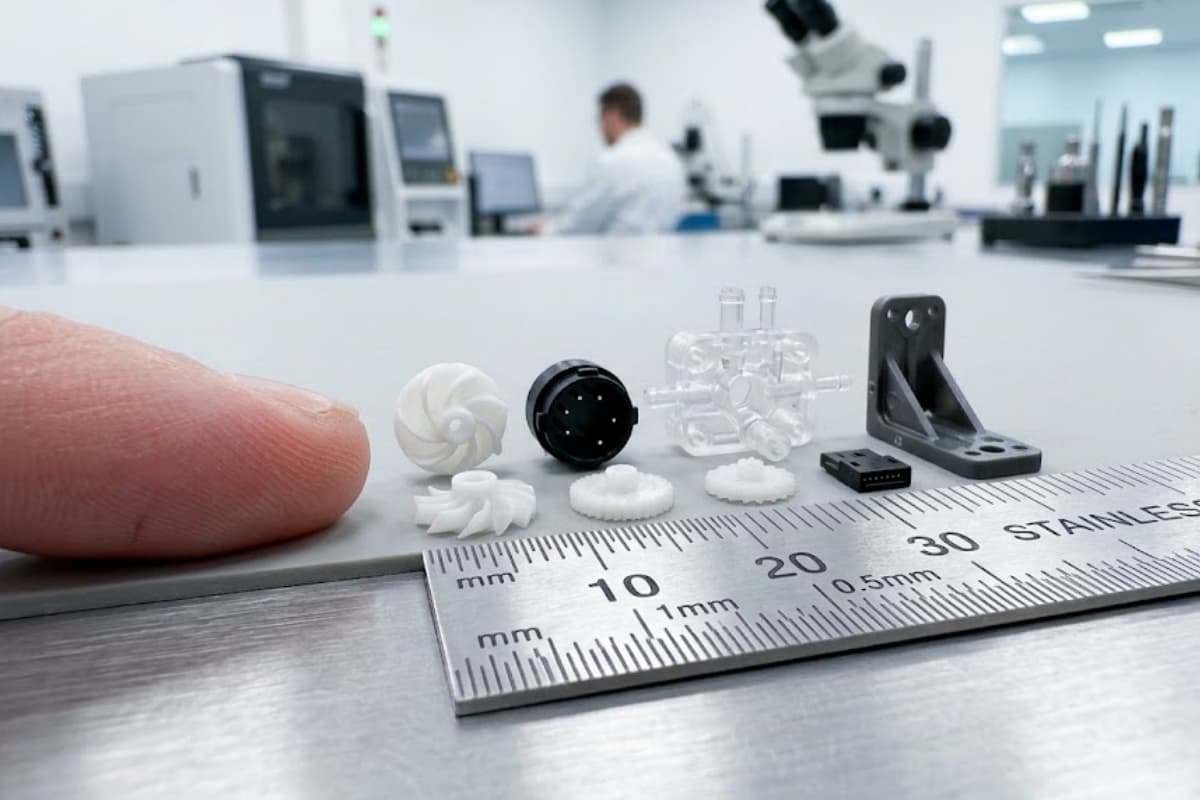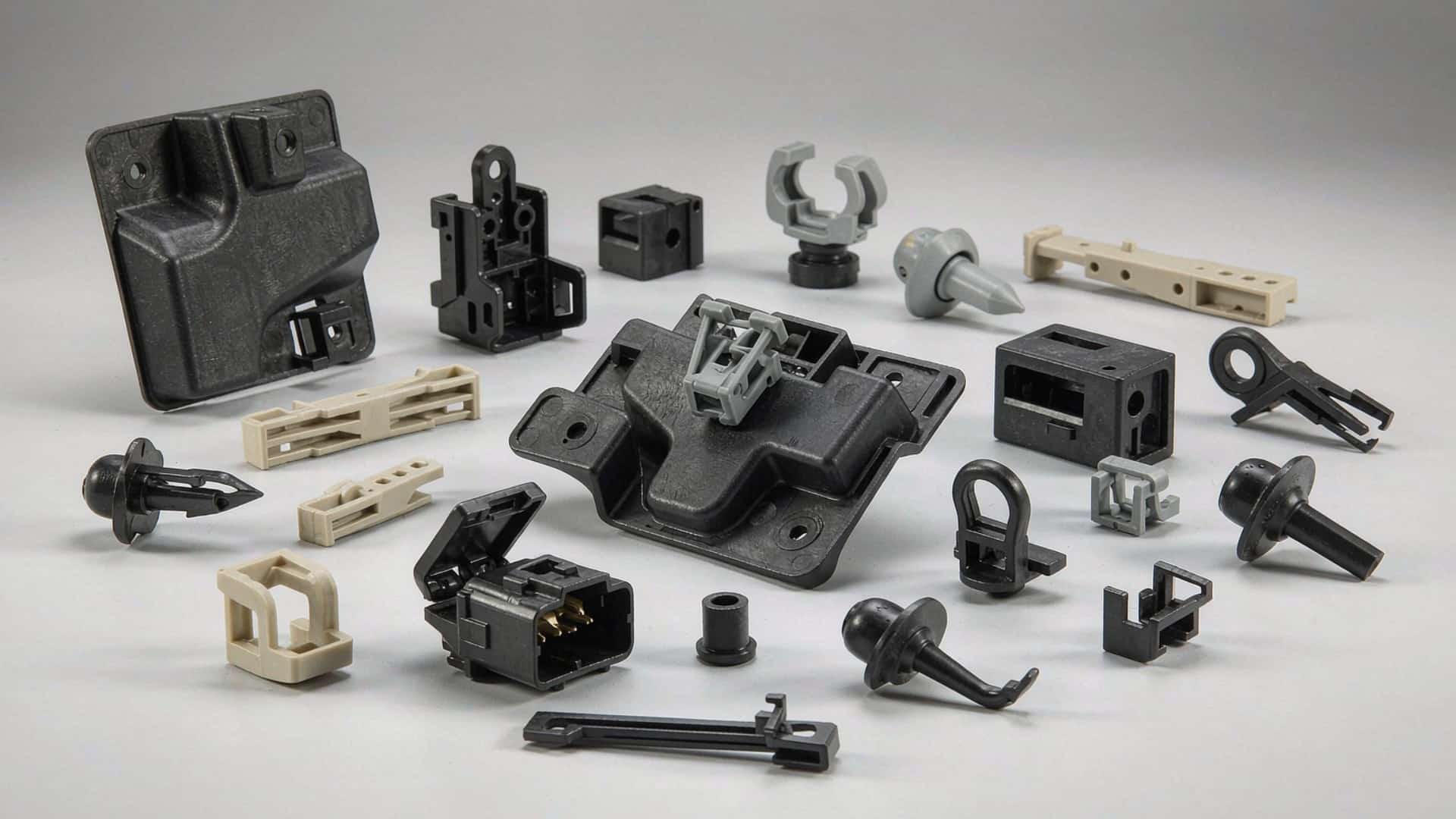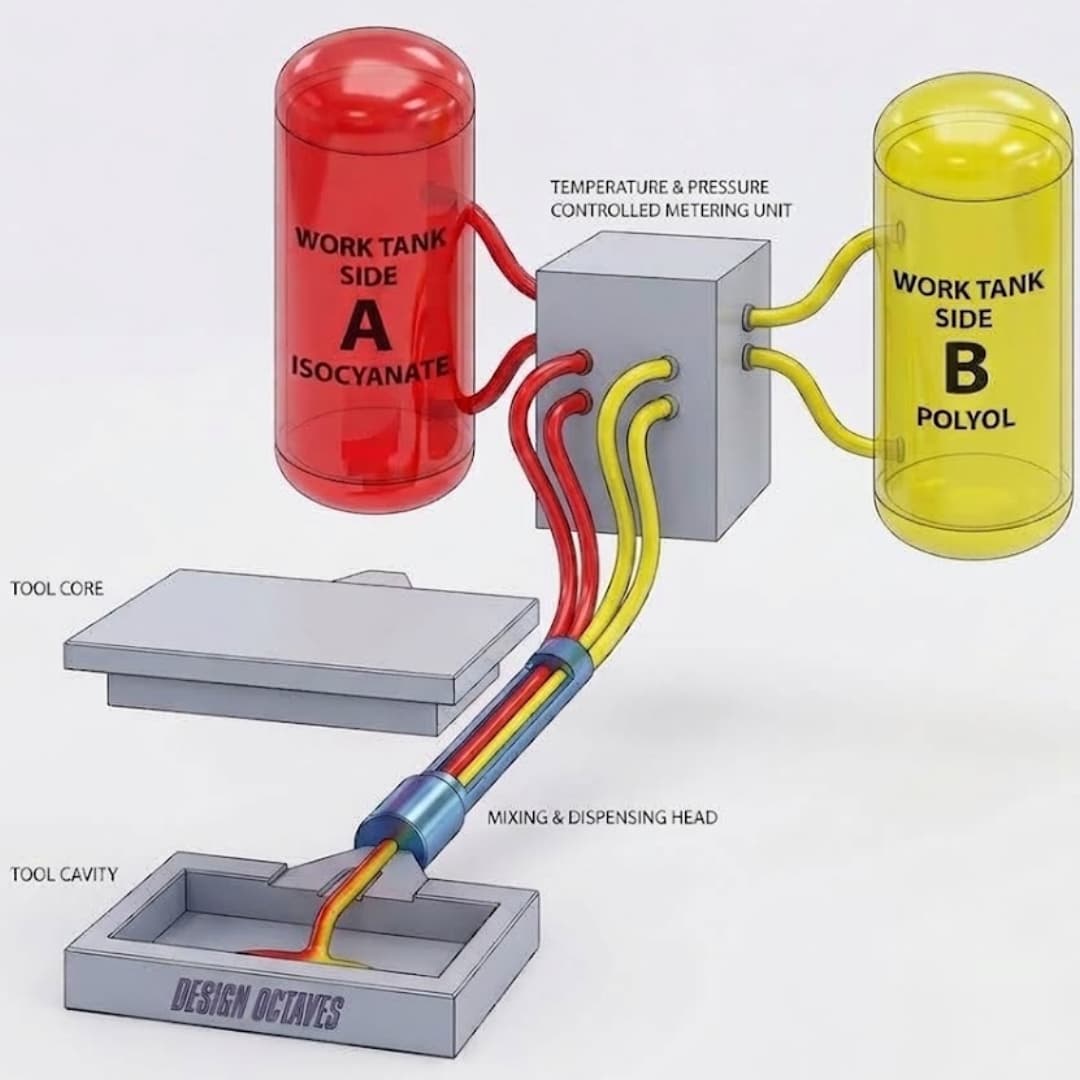

Consumer electronics injection molding is the process of producing plastic enclosures, frames, buttons, and internal brackets for devices such as smartphones, wearables, earbuds, routers, and smart-home hardware. The short answer for buyers: select a molder based on material fit, wall-thickness control, sealing method, surface finish, and tooling path — not price alone. This guide covers the design rules and supplier checks that decide whether a consumer electronics part molds cleanly, seals reliably, and scales to volume.
Why Consumer Electronics Needs a Different Molding Playbook
Consumer electronics parts sit at the intersection of three demands that general-purpose molded goods rarely face together: visible cosmetic surfaces, thin and uniform walls for weight and cost, and functional sealing against dust, sweat, or water. A router shell and an industrial bracket behave very differently on the same press.
- Surface quality: appearance parts reject flow marks, sink, and gate vestige that would pass on a hidden bracket.
- Wall consistency: thin-wall sections cut cycle time and material but amplify warpage and short-shot risk.
- Sealing integration: many devices need an IP-rated enclosure, pushing design toward overmolding or tightly controlled parting lines.
- Tolerances: snap-fits, PCB bosses, and connector windows must hold assembly without secondary operations.
Before committing to tooling, review a DFM design guide so these constraints are caught on paper, not in the first molded sample.
Material Selection for Consumer Electronics Housings
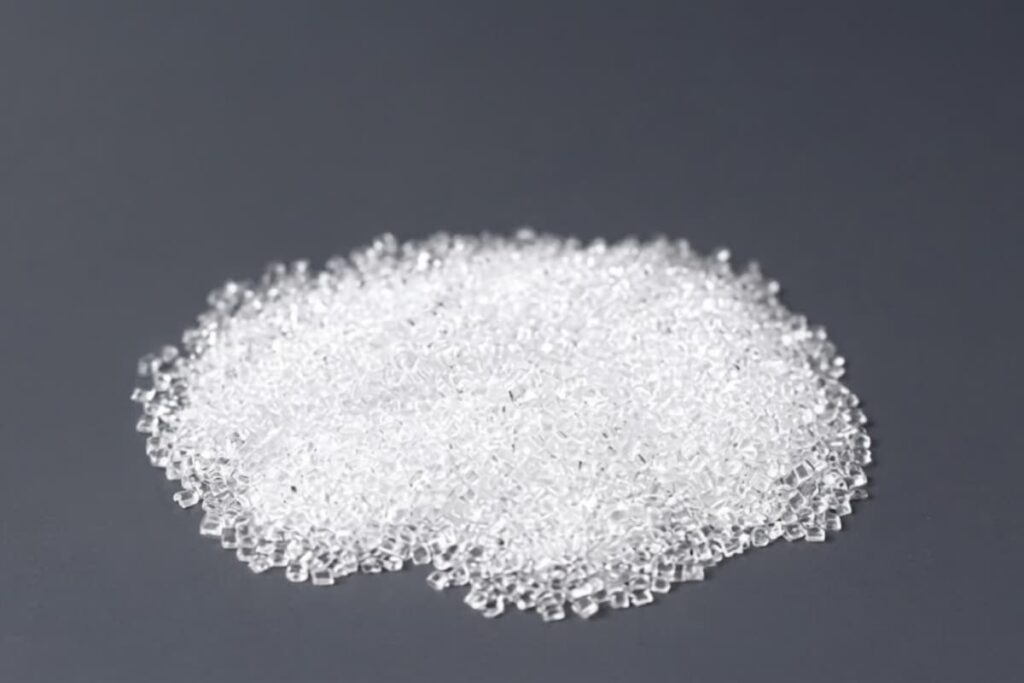
The right resin balances appearance, impact resistance, heat, and cost. The table below is a starting point; exact grades, flame-retardant ratings, and EMI-shielding compounds should be confirmed with the molder for your certification needs.
| Material | Key properties | Typical use | Watch-outs |
|---|---|---|---|
| ABS | Easy to mold, good surface, low cost | Inner frames, non-rugged shells | Limited heat and impact resistance |
| PC | High impact, heat resistance, can be clear | Rugged or transparent parts | Prone to flow marks; higher cost |
| PC/ABS | Balance of surface and toughness | Phone / router housings | Mid cost; drying discipline needed |
| PA (Nylon) | Strong, chemical resistant | Structural brackets | Moisture absorption affects dimensions |
| PBT | Dimensional stability, good electricals | Connectors, bases | Lower impact than PC |
For a deeper comparison, see the engineering plastics selection guide and the ABS properties explainer.
Enclosure Design Fundamentals: Wall Thickness, Ribs, Draft
Keep the nominal wall in a material-appropriate range and avoid sudden thickness changes, which cause sink and voids. Uniform walls let the melt fill evenly and reduce warpage.
- Ribs add stiffness without thickening the wall. Keep rib thickness about 60% of the nominal wall to avoid a sink mark on the opposite face.
- Bosses for screws or PCB standoffs follow the same thickness rule and should be tied to walls with ribs to prevent isolation and sink.
- Draft angles let parts release from the cavity; textured or deep parts need more draft than polished ones.
Use the wall-thickness reference, the ribs and bosses design guide, and the DFM guide when setting these values.
Sealing & Waterproofing: IP Ratings and Overmolding Paths
IP67 means protection against dust and immersion up to 1 m for 30 minutes under IEC 60529 test conditions; the exact test setup for your part should be confirmed with the supplier. Achieving it on a molded enclosure is a design problem, not just a material choice.
| Method | Process | Best when | Trade-off |
|---|---|---|---|
| Elastomer gasket in groove | Separate seal + assembly | Serviceable, simple tooling | Adds an assembly step and a purchased part |
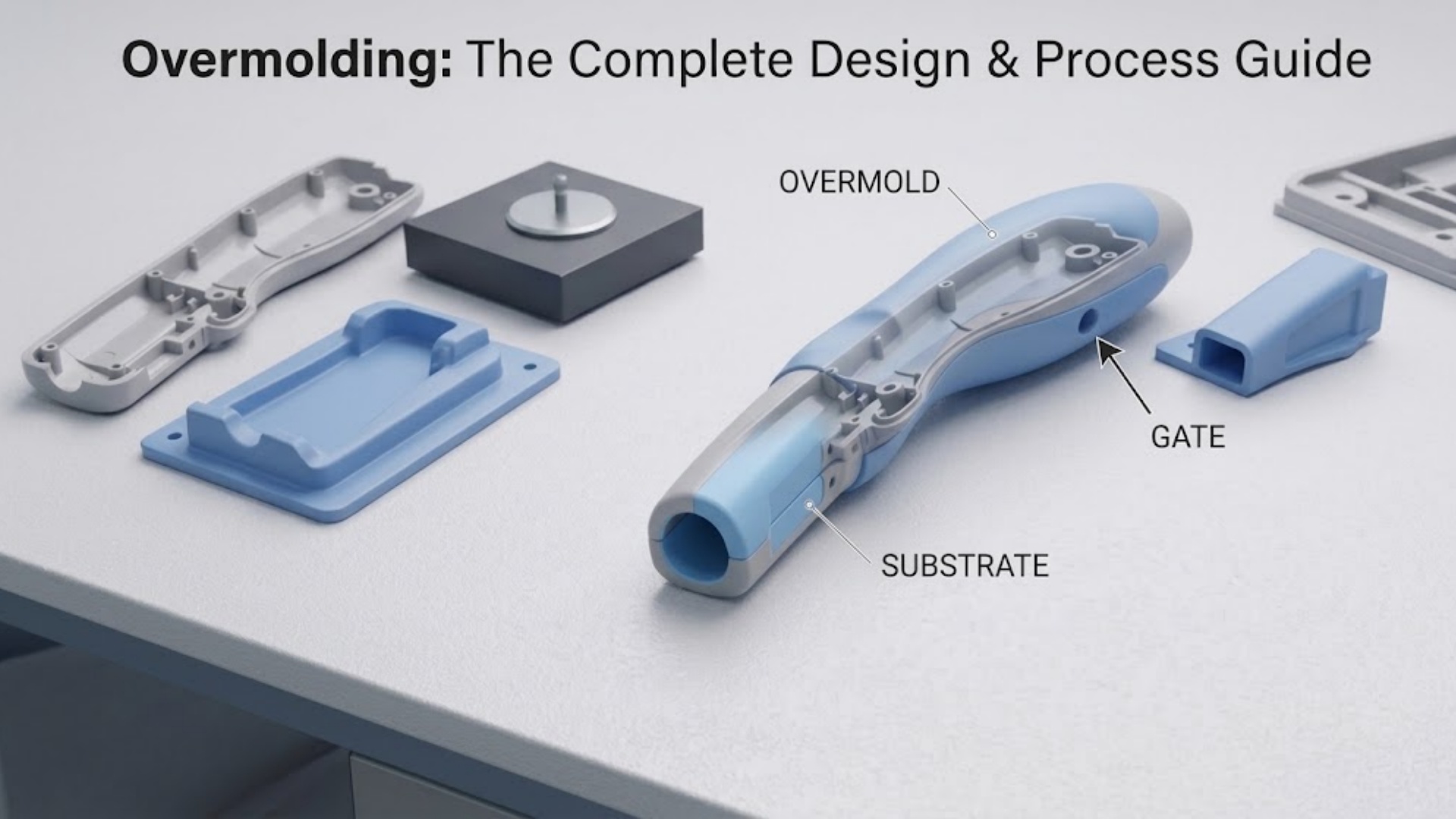
| Overmolded TPE/TPU seal | Two-shot or insert molding | Integrated seal, fewer parts | Needs bonding know-how and dual-material tooling |
| Ultrasonic welding | Weld two shells | Clean seam, high throughput | Weld-line and fixture control are critical |
For implementation detail, see the overmolding design guidelines, overmolding applications, and TPE/TPU overmolding materials.
Surface Finish and Cosmetic Quality for Appearance Parts
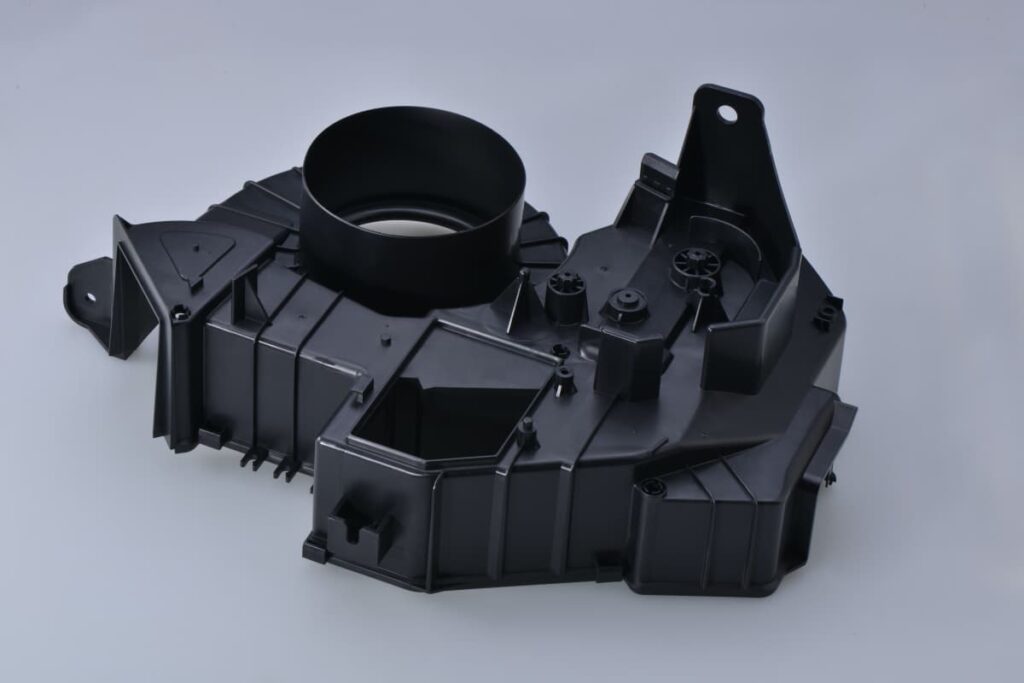
Common options include polished (high gloss), textured (per SPI standards), painted, laser-etched logos, and soft-touch via overmolding. Gate location, packing pressure, and resin dryness drive sink and flow marks. Texturing can hide minor flaws but demands more draft.
Review the surface finishing options before fixing the appearance spec, because finish choice affects both tooling and cycle time.
Insert and Two-Shot Molding for Integrated Electronics
Insert molding places metal threads, shields, or contacts in the mold so plastic forms around them, cutting downstream assembly. Two-shot molding combines a rigid and a soft material in one cycle — for example a hard shell with a TPE grip or seal. Use these when a function (shield, seal, threaded insert) is permanent and volume justifies the tooling premium.
See the insert molding design and process guide for geometry and tolerance planning.
Tolerances That Actually Matter for Assembly
Not every dimension needs ±0.05 mm. Prioritize the features that affect function: PCB mounting boss ID and standoff height, snap-fit engagement, connector window position, and parting-line flash that could break a seal. Over-tight tolerances raise scrap and cost, so specify tightly only where function demands. The tolerances guide explains what is realistically achievable.
From Prototype to Production: Choosing the Tooling Path
Two common routes:
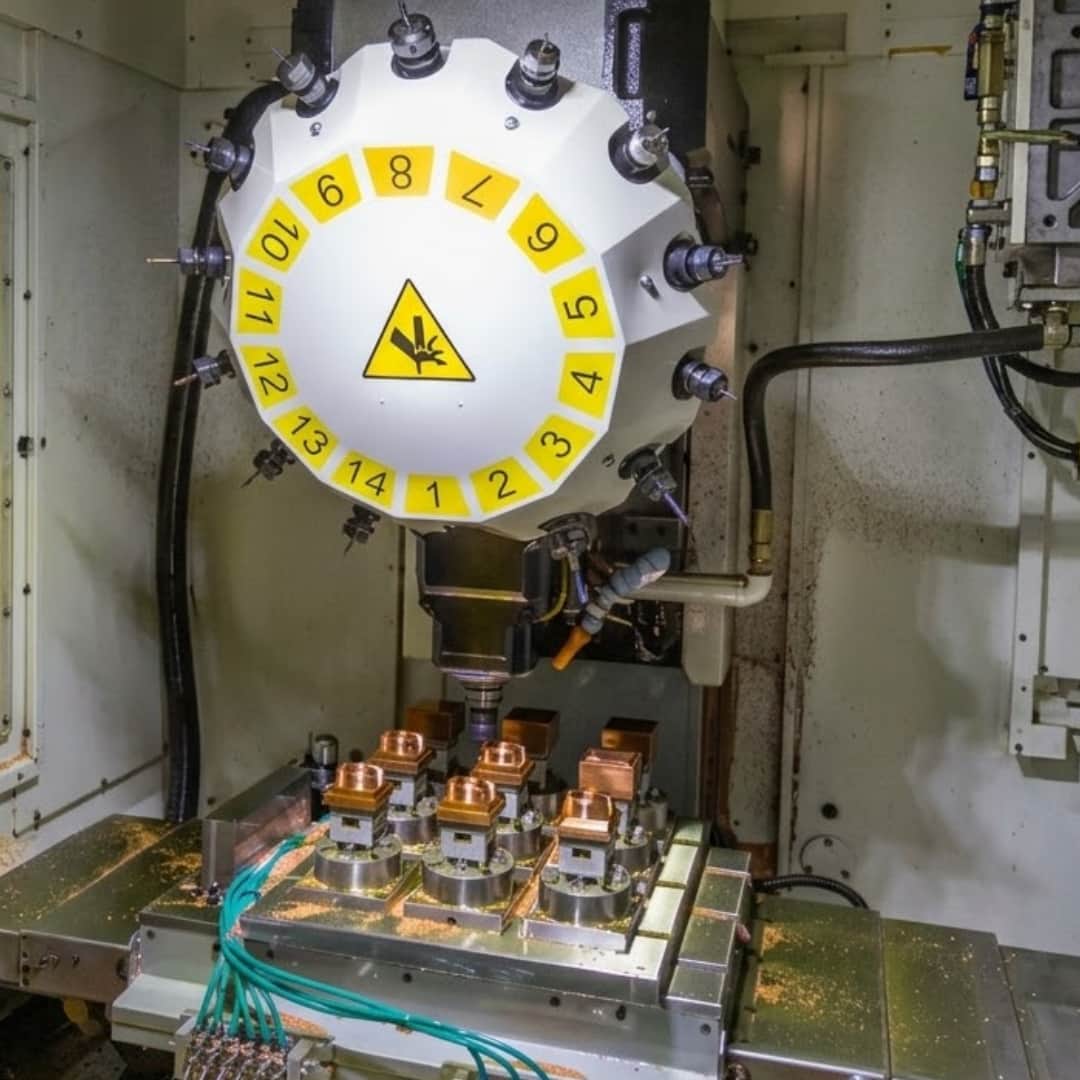
- Aluminum rapid tooling: lower cost and faster lead, suited to pilot, NPI, and low volume; some limits on lifespan and surface consistency.
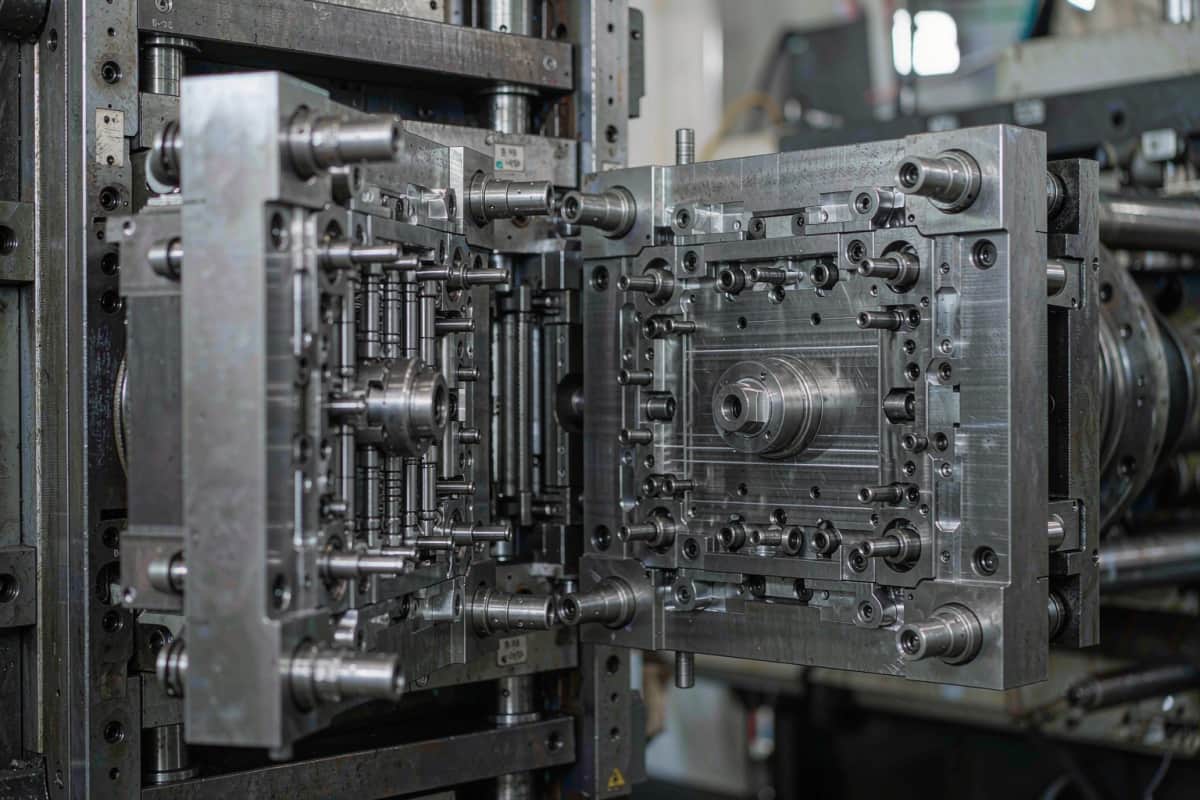
- Steel production molds: higher cost and longer lead, for sustained volume and tighter repeatability.
Many teams run aluminum first to validate the design, then convert to steel. Compare the trade-offs in the aluminum vs. steel molds guide.
How to Choose a Consumer Electronics Molding Supplier
Use this checklist before issuing an RFQ:
- Does the supplier give proactive DFM feedback (catching sink, warpage, and sealing risks before tooling)?
- What is their material and process range — ABS, PC, overmolding, insert molding?
- What quality system do they hold (ISO 9001 baseline; ISO 13485 if medical-adjacent)?
- Who owns the tool and how is IP protected?
- Can they carry you from prototype to production on one line?
- How do they document and inspect critical tolerances?
See the supplier qualification checklist and the cost breakdown guide to read a quote correctly.
FAQ
What is the minimum wall thickness for an electronics housing?
It depends on material and flow length. General-purpose ABS or PC often runs a nominal wall around 1.0–1.5 mm; thin-wall designs can go lower with controlled process and machine capability. Confirm the exact value with your molder.
What is the difference between IP67 and IP68?
IP67 protects against dust and immersion to 1 m for 30 minutes. IP68 covers deeper or longer immersion defined by the manufacturer. The rating is earned through design and testing, not the resin alone.
When should I use overmolding instead of a gasket?
When the seal is permanent, volume is high, and removing an assembly step matters more than serviceability. Overmolding integrates the seal but needs dual-material tooling and bonding expertise.
Why manufacture in Shenzhen or Vietnam?
Both regions offer mature electronics supply chains and competitive cost structures. For a supplier with operations in both, the choice often comes down to tariff, logistics, and volume allocation rather than capability.
Contact GoodTech for technical support
Consumer electronics injection molding succeeds when material, wall design, sealing, finish, and tooling path are chosen together against the device’s real environment. Start from a DFM review, pick the resin for function and appearance, decide the seal method early, and qualify the supplier on engineering feedback — not just price.
Send your enclosure drawing and application requirements, and GoodTech’s engineering team will review material, wall design, sealing method, and tooling path with you — from prototype through production. Reach the team here: GoodTech custom plastic injection molding.